
Leia a noticia completa
The expansion of artificial intelligence is usually discussed from the perspective of algorithms, generative models and applications that have been transforming different sectors of the economy. For those who work structuring operations involving data centers, however, the most interesting change may be less in technology and more in the way in which regulatory uncertainty has become part of negotiations and the structure of contracts themselves.
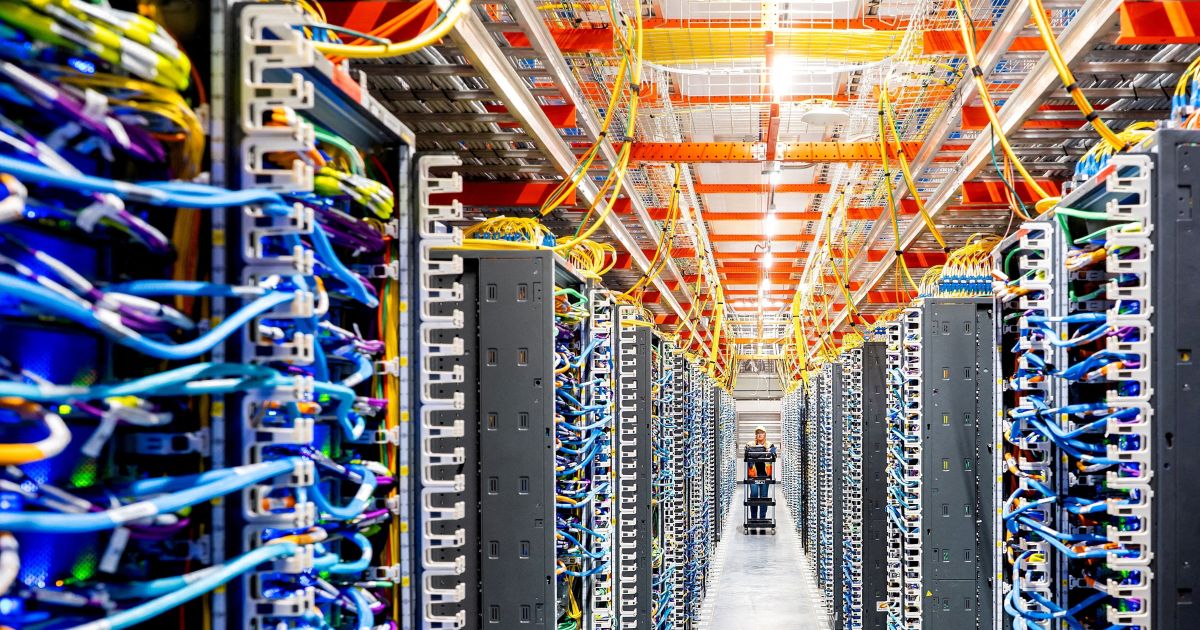
This transformation stems from a simple fact: every application of artificial intelligence depends on computational capacity installed in data centers. Compared to traditional cloud computing, AI requires much more powerful servers, greater processing power and significantly higher energy consumption. In other words, there is no expansion of artificial intelligence without a proportional expansion of the physical infrastructure that supports it.
Not by chance, the world is experiencing a race for investment in data centers. The global cycle of mergers and acquisitions (M&A) in this segment intensified throughout 2025, driven by the need to expand installed capacity to meet the growing demand for artificial intelligence applications.
The numbers help to measure this demand. The International Energy Agency estimates that global electricity consumption by data centers will practically double by 2030, from around 460 TWh to approximately 945 TWh, a volume higher than Japan's annual electricity consumption.

Toque agora.
In this context, Brazil occupies a strategic position. The country brings together characteristics that few markets can offer simultaneously: a predominantly renewable electrical matrix, relatively competitive energy costs, submarine cable infrastructure that strengthens its international connectivity and availability of areas for new developments. Added to this is the fact that it is estimated that a significant portion of Brazilian digital loads are still processed abroad, which highlights a broad potential for internalizing this demand.
However, this potential coexists today with a factor that has started to appear recurrently in negotiations: regulatory uncertainty. The Special Taxation Regime for Datacenter Services (Redata), designed to encourage investments in the sector, lost its regulatory basis with the expiration of Provisional Measure No. 1,318/2025, in February this year. Since then, Bill No. 278/2026 has remained pending in the Senate, while relevant discussions persist on the possibility of granting tax incentives in an election year and on the legal treatment of investments made during the term of the provisional measure.
This environment naturally requires greater caution from investors. But recent chronology demonstrates that regulatory insecurity alone has not been enough to keep capital away. The acquisition of Elea Data Centers by I Squared Capital, one of the largest operations announced in the sector in Brazil, was announced in April, a few months after the loss of effectiveness of the provisional measure, accompanied by an explicit strategy to expand the platform in the Brazilian market. What uncertainty changes, in practice, is not the willingness to invest, but the way in which certain risks are evaluated, priced and distributed between the parties.
This reality is already noticeable in the due diligence phase. In operations involving data centers, the legal analysis continues to cover asset ownership, real estate regularity and other aspects traditionally examined in an M&A operation, but begins to devote increasing attention to the energy contracting structure, the conditions for connection to the electricity grid, compliance with the counterparts required by incentive regimes and the preservation of tax benefits whose maintenance depends on continued compliance with certain requirements.
This set of factors also influences the pricing of the asset and the negotiation of declarations and guarantees, bringing regulatory risk closer to the center of the economic dynamics of the transaction.
The same logic is reflected in the operation documentation. Regulatory and tax risks no longer necessarily represent an obstacle to investment and become the subject of contractual allocation. Conditions precedent may link the closing of the transaction to the implementation or maintenance of certain regulatory requirements; price adjustment mechanisms or contingent price portions (earnouts) can be associated with the delivery of energy capacity or the achievement of targets relevant to the enjoyment of incentives; and specific indemnity clauses may regulate liability for any liabilities related to the applicable tax regime.
This is because a data center represents much more than a real estate asset or a set of technological equipment. The investor is acquiring connection capacity to the electrical grid, contracted energy, connectivity, licenses, strategic contracts and a certain regulatory position. All of these elements directly influence the economic value of the investment and need to be carefully reflected in the legal structure of the operation.
Redata itself offers a concrete example of this dynamic. As the maintenance of tax benefits depends on continued compliance with the counterparts provided for by law, under penalty of demanding taxes plus interest and fines, the acquisition of a project already qualified for the regime may also mean assuming the risks associated with preserving this benefit, depending on the structure adopted for the transaction.
Evidently, there are risks that cannot be completely eliminated by contract. Legislative changes, public policy changes or structural limitations of energy infrastructure will continue to be subject to the regulatory environment. Still, recent experience shows that investors do not usually wait for this scenario to completely stabilize before investing. The challenge becomes identifying these risks, pricing them and distributing them appropriately between buyer and seller.
Brazil brings together objective attributes to consolidate itself as one of the main digital infrastructure hubs in Latin America. The consolidation of the regulatory framework will certainly help to accelerate this movement. Until then, legal security will continue to be built not only by the legislator, but also by the quality of the contractual structures that support each operation.
In a sector as capital-intensive as data centers, the ability to allocate risks efficiently can be as relevant to the investment decision as the availability of energy or the quality of the infrastructure itself. Ultimately, contracts no longer merely fulfill a protective function between the parties and begin to play a decisive role in making investments viable.
* Daphne Minerbo is a lawyer specializing in Corporate Law, contracts, corporate governance, corporate reorganizations and mergers and acquisitions (M&A). Partner at Panucci, Severo e Nebias Advogados, advises national and international clients from various sectors, such as energy, technology, finance, health, industry and retail. She has a bachelor's degree in Law from USP and a postgraduate degree in Corporate Law from FGV/SP.
The articles published by CNN Infra seek to stimulate debate, reflection and shed light on views on the main challenges, problems and solutions faced by Brazil and other countries around the world. The texts published in this space do not necessarily reflect the opinion of CNN Brasil.
Source: CNN
As músicas que o Mundo está tocando agora
-
1
 Balancê
Sara Tavares
Balancê
Sara Tavares
-
2
 Majestade
Carlos A. Moyses
Majestade
Carlos A. Moyses
-
3
 It's A Great Day (for Me To Whoop Somebody's Ass)
Paul Thorn
It's A Great Day (for Me To Whoop Somebody's Ass)
Paul Thorn
-
4
 Paraíso
Danilo Santos
Paraíso
Danilo Santos
-
5
 Yesterday
Petula Clark
Yesterday
Petula Clark
-
6
 Maybe someday
The Cure
Maybe someday
The Cure
-
7
 Un Trocito De Cielo
Jaci Velasquez
Un Trocito De Cielo
Jaci Velasquez
-
8
 Call Me Up
Ezio
Call Me Up
Ezio
-
9
 Por Onde Anda Você?
Nina Fernandes
Por Onde Anda Você?
Nina Fernandes
-
10
 Con El Cielo
Hillsong Worship
Con El Cielo
Hillsong Worship
-
11
 Vem Com Teu Fogo
Adorazione
Vem Com Teu Fogo
Adorazione
-
12
 Excelente
Lucas Santos Tiago
Excelente
Lucas Santos Tiago
-
13
 Fake Amor
Melody
Fake Amor
Melody
-
14
 Rock And Roll In The Hay
Brad Cotter
Rock And Roll In The Hay
Brad Cotter
-
15
 Nunca Había Sentido Tanto Miedo
Alejandro Neri
Nunca Había Sentido Tanto Miedo
Alejandro Neri
-
16
 Hipnose
Manu Gavassi
Hipnose
Manu Gavassi
-
17
 Hey, Good Lookin'
Dean Martin
Hey, Good Lookin'
Dean Martin
-
18
 Augusta, Angélica e Consolação
Tom Zé
Augusta, Angélica e Consolação
Tom Zé
-
19
 Enquanto Cê Não Vem
Eu, Trovador
Enquanto Cê Não Vem
Eu, Trovador
-
20
 Pelo Teu Nome
Leonardo Campos
Pelo Teu Nome
Leonardo Campos
Historias das musicas em destaque
 Historia da musica
Learn to play Yesterday, by Petula Clark, and discover a beautiful classical interpretation
07/07/2026
Singer Petula Clark built a career marked by elegant interpretations and hits that spanned decades. His version of "Yesterday" presents...
 Historia da musica
Learn to play Call Me Up, by Ezio, and discover folk music full of personality
07/07/2026
The Ezio group is recognized for its compositions that combine folk, rock and sophisticated melodies. The song "Call Me Up" draws atten...
 Historia da musica
Learn to play Maybe Someday, by The Cure, and improve on the guitar
07/07/2026
Among alternative rock's most influential bands, The Cure has built a career full of memorable songs. "Maybe Someday" is one of the son...
 Historia da musica
Learn to play It's a Great Day for Me to Whoop Somebody's Ass by Paul Thorn
07/07/2026
With great humor and a vibe that mixes country, blues and rock, "It's a Great Day for Me to Whoop Somebody's Ass", by Paul Thorn, becam...
 Historia da musica
Learn to play Balancê, by Sara Tavares, and discover all the richness of Lusophone music
07/07/2026
Singer Sara Tavares marked international music with her unique identity, mixing African, Portuguese influences and contemporary sounds....
 Historia da musica
Learn to play Majestade, by Carlos A. Moyses, on the guitar with more emotion and technique
07/07/2026
Some songs manage to cross generations carrying messages of faith, hope and adoration. "Majesty", performed by Carlos A. Moyses, is one...
 Historia da musica
Learn to play Quem Você Exalta, by ExaltaSamba, on the guitar
07/07/2026
For those who like samba and pagode, "Quem Você Exalta", by ExaltaSamba, is a great song to develop new guitar skills. With a character...
 Historia da musica
Learn to play Con el Cielo, by Hillsong Worship, and strengthen your worship repertoire
07/07/2026
Hillsong Worship's "Con el Cielo" is an excellent choice for musicians who enjoy congregational worship and want to develop a solid gui...
 Historia da musica
Learn to play Por Onde Anda Você, by Nina Fernandes, and improve on the guitar
07/07/2026
The song "Por Onde Anda Você", performed by Nina Fernandes, conquers with the delicacy of the melody and the way it conveys feelings th...
 Historia da musica
Learn to play Para Só, by Danilo Santos, on the guitar with more emotion and technique
07/07/2026
If you're looking for an exciting song to expand your guitar repertoire, "Para Só", by Danilo Santos, is an excellent choice. The song...
Mais noticias para voce
 Noticia
09/07/2026
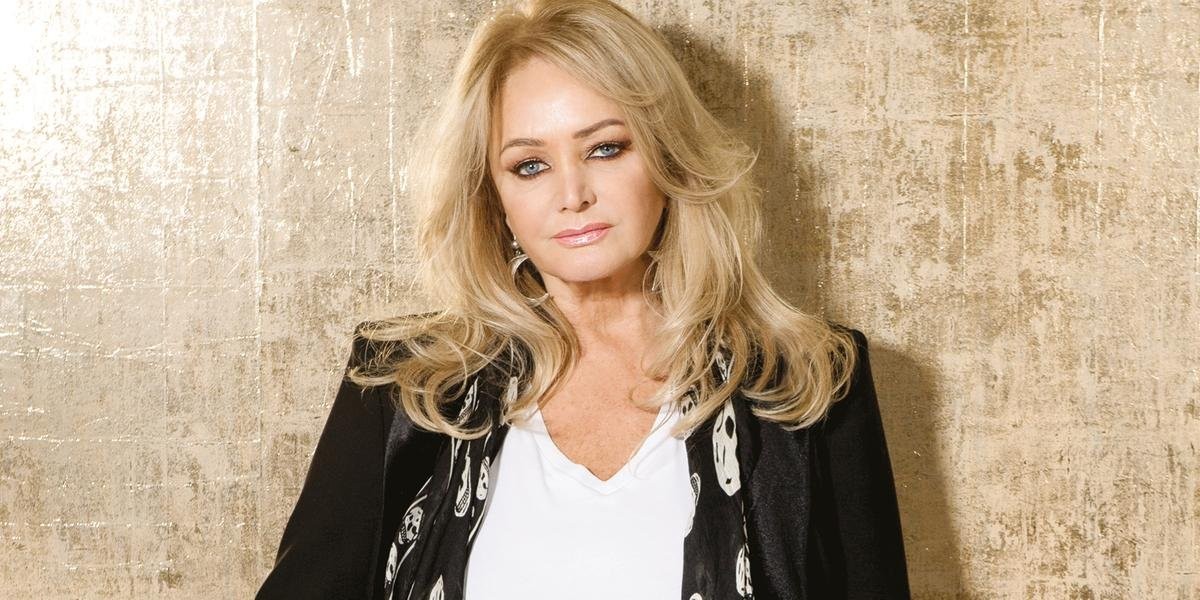
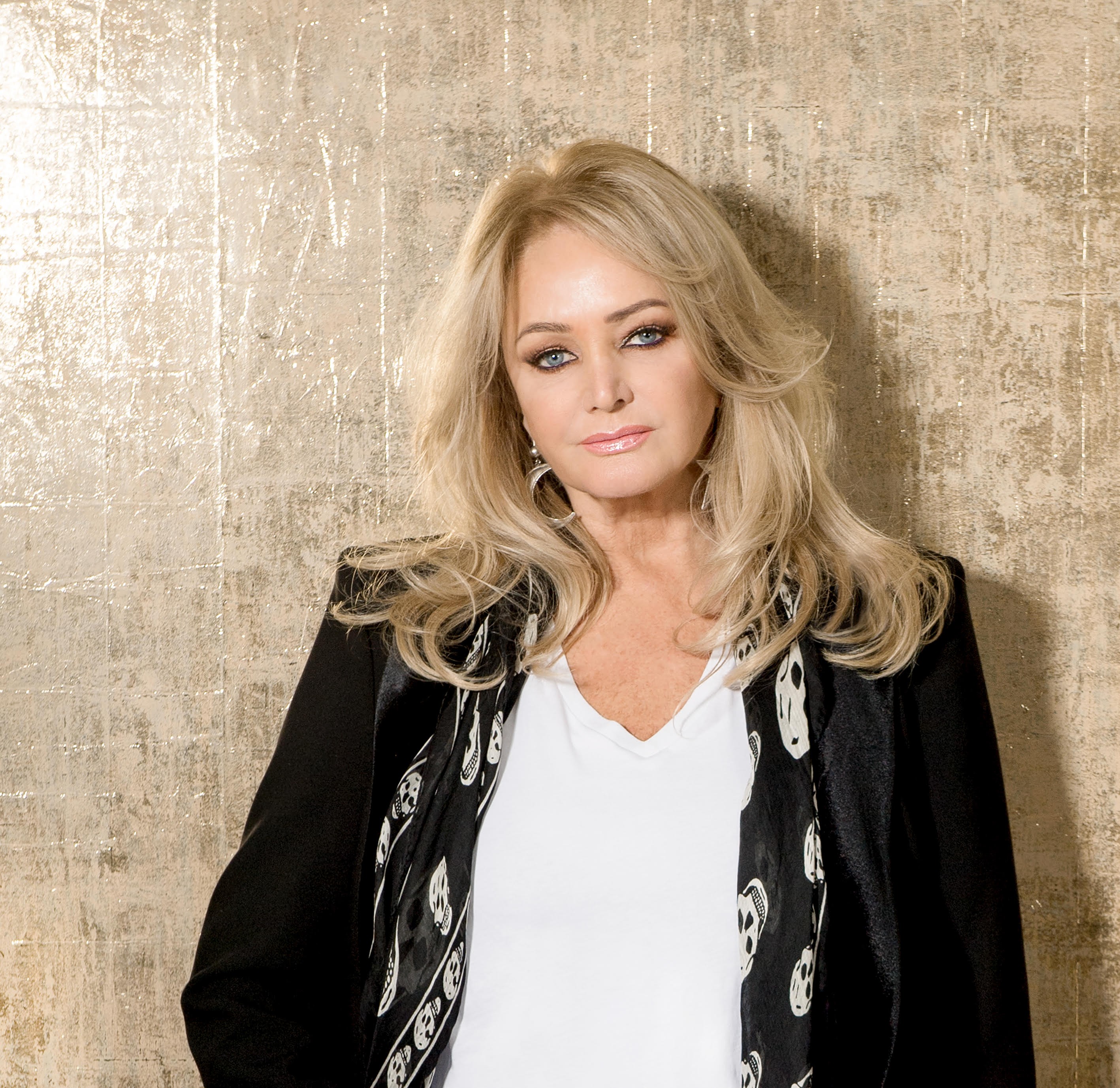
Who was Bonnie Tyler, singer who marked pop and rock in the 1980s
Singer Bonnie Tyler has died at the age of 75, according to an official statement published on her website. The Welsh woman had been hospitalized since May afte...
 Noticia
09/07/2026
Senate approves MP of R$15 billion for exporters, understand impacts on agriculture
Amid increasing international trade tensions, the Senate approved Provisional Measure (MP) 1,345/2026, which authorizes the Union to mobilize up to R$15 billion...
 Noticia
09/07/2026
FIFA refereeing chief rejects bias in Argentina vs Egypt
Fifa's head of refereeing, Pierluigi Collina, defended the referee's performance in Argentina's 3-2 victory over Egypt, in the round of 16 of the World Cup, rej...
 Noticia
09/07/2026
See how many Moroccan players could defend France in the World Cup
Morocco and France face each other this Thursday (9) in the quarter-finals of the 2026 World Cup. In the confrontation, part of the African team's squad could p...
 Noticia
09/07/2026
Asian stock exchanges close without a single direction as war unfolds
Asian stock markets closed without a single direction this Thursday (9), while investors assessed the latest developments in the Middle East. The Japanese Nikke...
 Noticia
09/07/2026
Latest from Corinthians: Filho do Terrão's new club, Diniz keeping an eye on the base and defender missing
By Meu Timão on 09 of July of 2026 at 07:30 Last Wednesday was not very eventful for Fiel. Revealed in the Corinthians youth categories, Gabriel Moscardo was an...
Participe da conversa
Seu comentario ajuda a manter a discussao viva e ainda convida outros leitores a continuar navegando pelo portal.
Seja o primeiro a comentar esta noticia.