
Leia a noticia completa
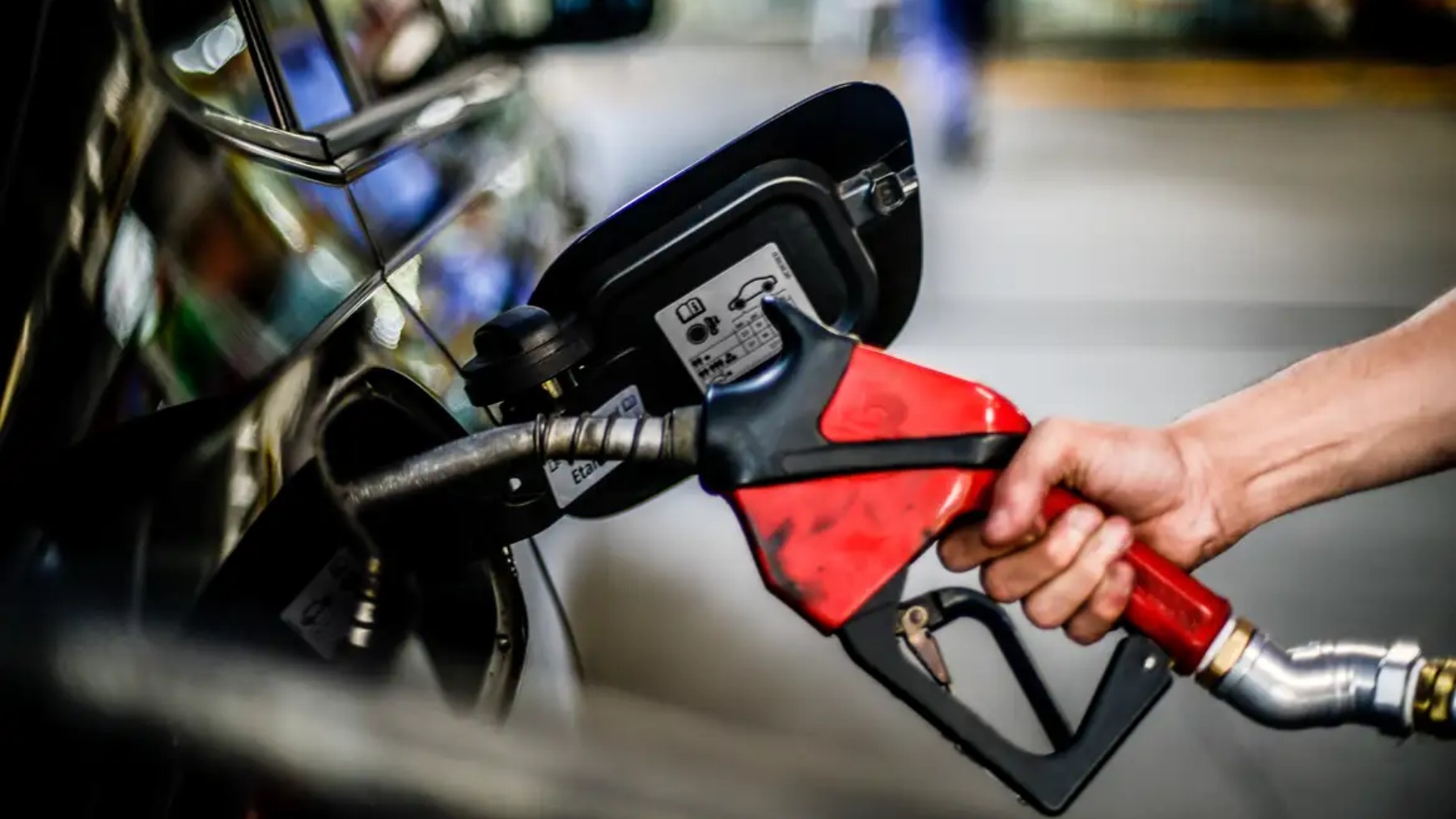
New composition of gasoline should contain 32% ethanol
Marcello Casal Jr./Agência Brasil
The National Energy Policy Council (CNPE) should meet this Wednesday (8) to announce the increase in the mixture of anhydrous ethanol in gasoline, from 30% to 32%. The measure seeks to reduce the impacts of variations in the international price of oil.
The decision had already been discussed by members of the government in recent months. Experts, however, assess that the measure could increase the risk of wear in older engines or those without specific calibration for this mixture.
✅ Click here to follow the g1 Carros channel on WhatsApp
The National Association of Motor Vehicle Manufacturers (Anfavea) had already advocated carrying out more studies before implementing the measure. (see below)
According to engineers, one of the main challenges is the compatibility of materials, especially in imported or older vehicles, designed to run only on gasoline and developed for lower ethanol levels.
Now in g1
Ethanol mixed with gasoline is anhydrous, that is, it goes through a dehydration process in the plant. Even so, it has the ability to absorb water from the environment and can take it into the engine.
The presence of water can affect metal components of the engine that were not designed for this condition. Furthermore, the combination of ethanol and water increases electrical conductivity, favoring electrochemical corrosion.
All components that come into direct contact with the fuel need to be prepared for this new concentration of ethanol.
The list includes:
tank;
float;
fuel pump;
metallic or plastic fuel lines;
injector nozzle;
fuel chamber combustion;
pistons;
seals.
Some of these components can withstand the new mixture, but, according to experts, the change requires detailed tests to confirm this resistance.
"The main damage that can occur would be corrosion or wear in the components of the injection system, as they can cause malfunctions, increased emissions and consumption and even total damage, mainly to the pump and injectors", explains Rogério Gonçalves, engineer and director of fuels at the Brazilian Association of Automotive Engineering (AEA).
Higher concentration of ethanol in gasoline can increase wear on engine components
Arte / g1
According to Gonçalves, as older cars were not designed for this higher percentage of ethanol, they tend to suffer more from the change, although the reaction varies according to the engine.
The expert states that consumption tends to increase in both flex models and vehicles powered exclusively by gasoline, due to the lower calorific value of ethanol in relation to gasoline. gasoline.
Calorific value is the amount of energy that a fuel can provide in the form of heat. One kilogram of hydrated ethanol, sold at gas stations, provides around 6,300 kilocalories (kcal).
One kilogram of gasoline A, a pure fuel produced in the refinery, provides around 10,400 kcal.
Accurately estimating the impact on consumption is difficult because several factors influence the vehicle's performance on a daily basis.
Although it is possible to estimate this difference based on the energy provided by each fuel, the variation may be imperceptible to the driver in daily use.
Gonçalves explains that official consumption tests are carried out in the laboratory, in a controlled environment, with the vehicle installed in a dynamometer, under monitored temperature and following a standardized cycle.
Maintenance of some cars can become more expensive with an increase in ethanol in gasoline
Disclosure
Revisions can become expensive
In the maintenance market, professionals say that the components most susceptible to the new mixture are rubbers and hoses, which can dry out and present leaks.
"In addition, the fuel pump and injection nozzles can oxidize or seize up, because alcohol facilitates the corrosion of these metal and plastic parts", explains Fábio Rhoden, co-owner of the Flacht Motorsport & Classic Center workshop.
The driver can notice that the vehicle is feeling the effects of the new mixture in the early hours of the day, says Rhoden, when the engine takes longer to start in the morning.
The risk is greater in vehicles manufactured 20 or 30 years ago, equipped with a carburetor or simpler electronic injection systems, which cannot automatically adjust the mixture for this higher proportion of ethanol. This function is performed by the ECU, the "brain" of the engine.
The ECU (Electronic Control Unit) is the computer that manages the engine's operation in real time. It receives information from sensors that monitor parameters such as rotation, temperature, quantity of air admitted, throttle position and composition of exhaust gases.
The Electronic Control Unit (ECU) of the combustion engine is the brain of the car
Disclosure / Bosch
With this data, the ECU compares the operation of the engine with the calibration parameters developed by the automaker and calculates, hundreds of times per second, the ideal amount of fuel to be injected, the exact moment of ignition and the operation of systems such as the variable valve control and the turbocharger.
It then sends commands to actuators, such as injection nozzles, coils and throttle body, continuously adjusting the engine's operation to balance performance, consumption, emissions and durability.
In vehicles that cannot adjust to the new mixture, the engine works at higher temperatures and can experience frequent failures. Modern imported models without flex technology reach the ECU's compensation limit and register a significant increase in consumption.
"Old cars (carbureted or with simple injections) cannot adjust themselves to burn so much ethanol", warns Rhoden.
In addition, these vehicles may experience oscillation at idle speed, loss of power and small sputters during acceleration.
Changing spark plugs may happen sooner than expected
Disclosure / Flacht Motorsport & Classic Center
Increasing the ethanol content can also accelerate clogging of the fuel filter. Ethanol loosens dirt accumulated at the bottom of the tank.
In addition, you can anticipate changing the spark plugs due to the greater heat generated during combustion. This "burning" of the spark plugs can occur when the engine was not designed or calibrated to operate with a higher concentration of ethanol in the gasoline.
In these cases, the ECU may not be able to correctly compensate for the change in the proportion of the air-fuel mixture.
As ethanol has different combustion characteristics than gasoline and requires a greater volume of fuel to achieve the ideal mixture, the engine may operate with a leaner mixture (more air than fuel in the chamber) or present combustion failures under certain conditions.
This increases the load on the ignition system, causing the spark plugs to work under greater electrical and thermal stress, which accelerates wear and can reduce its useful life.
In most cases, the spark plug does not "burn out" simply due to the increase in ethanol content, but due to a combination of inadequate calibration, incompatible components and engine operation outside the conditions for which it was developed.
Anfavea urges caution
Anfavea stated that it is in favor of biofuels and recognizes the role of ethanol in the decarbonization of the Brazilian fleet of light vehicles.
According to Igor Calvet, president of the entity, the concern of the automotive industry is restricted to the need for any increase in the mixture to be preceded by a rigorous testing schedule.
"What we have discussed, in fact, is that the increase in the mixture must be preceded by tests. That is Anfavea's only point", explains Calvet.
Igor Calvet, president of Anfavea
Disclosure | Anfavea
The executive explains that, in accordance with technical standards and ABNT rules, the adoption of a mixture with 32% ethanol requires engineering tests with a safety margin to ensure that the engines withstand the abrasiveness of the fuel and that the sensors are calibrated in accordance with the legislation.
The statement about the importance of the tests was made in conjunction with the National Union of the Automotive Component Industry (Sindipeças).
The entity states that the Additional testing is a guarantee for the consumer. "We just wanted to be sure that there won't be any problems", says Calvet.
According to the executive, the automotive industry already produces vehicles compatible with biofuels, but defends technical rigor before adopting new fuel policies in the country.
Source: G1




Toque agora.
As músicas que o Mundo está tocando agora
-
1
 Kleine Wolke Über Einem Französischen Mädchen
Echt
Kleine Wolke Über Einem Französischen Mädchen
Echt
-
2
 Majestade
Carlos A. Moyses
Majestade
Carlos A. Moyses
-
3
 Balancê
Sara Tavares
Balancê
Sara Tavares
-
4
 Paraíso
Danilo Santos
Paraíso
Danilo Santos
-
5
 Clay
Manatee Commune
Clay
Manatee Commune
- 6 S Engelbewaarder Sasha & Davy
-
7
 Topla Je Smrt
Metalsteel
Topla Je Smrt
Metalsteel
-
8
 Quem é você
Exaltasamba
Quem é você
Exaltasamba
-
9
 It's A Great Day (for Me To Whoop Somebody's Ass)
Paul Thorn
It's A Great Day (for Me To Whoop Somebody's Ass)
Paul Thorn
-
10
 Maybe someday
The Cure
Maybe someday
The Cure
- 11 M Amongst Majestic Mountains Mendy Chanin
- 12 F Subject ffleetwood_macsay_that_you_love_me.crd
-
13
 Call Me Up
Ezio
Call Me Up
Ezio
-
14
 Yesterday
Petula Clark
Yesterday
Petula Clark
-
15
 Por Onde Anda Você?
Nina Fernandes
Por Onde Anda Você?
Nina Fernandes
-
16
 Con El Cielo
Hillsong Worship
Con El Cielo
Hillsong Worship
-
17
 Mundo Malo
Paulino Bernal
Mundo Malo
Paulino Bernal
-
18
 Un Trocito De Cielo
Jaci Velasquez
Un Trocito De Cielo
Jaci Velasquez
-
19
 Vem Com Teu Fogo
Adorazione
Vem Com Teu Fogo
Adorazione
-
20
 Excelente
Lucas Santos Tiago
Excelente
Lucas Santos Tiago

Historias das musicas em destaque
 Historia da musica
Learn to play Yesterday, by Petula Clark, and discover a beautiful classical interpretation
07/07/2026
Singer Petula Clark built a career marked by elegant interpretations and hits that spanned decades. His version of "Yesterday" presents...
 Historia da musica
Learn to play Call Me Up, by Ezio, and discover folk music full of personality
07/07/2026
The Ezio group is recognized for its compositions that combine folk, rock and sophisticated melodies. The song "Call Me Up" draws atten...
 Historia da musica
Learn to play Maybe Someday, by The Cure, and improve on the guitar
07/07/2026
Among alternative rock's most influential bands, The Cure has built a career full of memorable songs. "Maybe Someday" is one of the son...
 Historia da musica
Learn to play It's a Great Day for Me to Whoop Somebody's Ass by Paul Thorn
07/07/2026
With great humor and a vibe that mixes country, blues and rock, "It's a Great Day for Me to Whoop Somebody's Ass", by Paul Thorn, becam...
 Historia da musica
Learn to play Balancê, by Sara Tavares, and discover all the richness of Lusophone music
07/07/2026
Singer Sara Tavares marked international music with her unique identity, mixing African, Portuguese influences and contemporary sounds....
 Historia da musica
Learn to play Majestade, by Carlos A. Moyses, on the guitar with more emotion and technique
07/07/2026
Some songs manage to cross generations carrying messages of faith, hope and adoration. "Majesty", performed by Carlos A. Moyses, is one...
 Historia da musica
Learn to play Quem Você Exalta, by ExaltaSamba, on the guitar
07/07/2026
For those who like samba and pagode, "Quem Você Exalta", by ExaltaSamba, is a great song to develop new guitar skills. With a character...
 Historia da musica
Learn to play Con el Cielo, by Hillsong Worship, and strengthen your worship repertoire
07/07/2026
Hillsong Worship's "Con el Cielo" is an excellent choice for musicians who enjoy congregational worship and want to develop a solid gui...
 Historia da musica
Learn to play Por Onde Anda Você, by Nina Fernandes, and improve on the guitar
07/07/2026
The song "Por Onde Anda Você", performed by Nina Fernandes, conquers with the delicacy of the melody and the way it conveys feelings th...
 Historia da musica
Learn to play Para Só, by Danilo Santos, on the guitar with more emotion and technique
07/07/2026
If you're looking for an exciting song to expand your guitar repertoire, "Para Só", by Danilo Santos, is an excellent choice. The song...
Mais noticias para voce
 Noticia
08/07/2026
Executioner of the national team, Haaland gains millions of followers with the 'Brazil effect'; see impact
Haaland decides and Brazil is eliminated by Norway in the round of 16 of the World CupHe gained prominence on social media as soon as Brazilians discovered that...
 Noticia
08/07/2026
Trump met with advisers in Türkiye before ordering strikes on Iran
US President Donald Trump spent part of the day Tuesday (7) in Turkey meeting with his top advisers to discuss a response to the Iranian attack on commercial ve...
 Noticia
08/07/2026
Can a patient refuse treatment? What the new law establishes
Refusing an indicated surgery, rejecting a blood transfusion or interrupting cancer treatment are decisions that challenge patients, families and healthcare pro...
 Noticia
08/07/2026
F-35: why the North American fighter became a source of dispute between Türkiye, Israel and the USA
NATO leaders meet in Ankara, TurkeyThe possibility of Turkey once again purchasing F-35 fighter jets from the United States has put an old diplomatic dispute ba...
 Noticia
08/07/2026
Boca Juniors x Athletico-PR: time and where to watch the friendly
Boca Juniors and Athletico-PR face each other this Wednesday (8), at 9pm (Brasília time), in a friendly match. The event will be called "Winter Challenge" and w...
 Noticia
08/07/2026
PEC of majority should advance only after the elections, assess leaders
Opposition deputies are pushing for the installation, by next week, of the special commission that will analyze the proposal to reduce the age of criminal respo...
Participe da conversa
Seu comentario ajuda a manter a discussao viva e ainda convida outros leitores a continuar navegando pelo portal.
Seja o primeiro a comentar esta noticia.