

Leia a noticia completa
Now that CNN has received the full text of the draft agreement between the US and Iran, we can begin to evaluate its merits more fairly.
Of course, before the White House officially releases the text, what CNN received may not be the final version or may undergo changes. But now we know enough to evaluate the terms, and I will do my best to do so.
From the text we have seen so far, it is remarkable how much the United States is offering in exchange for so little. I have negotiated difficult deals with Iran and this document stands out for providing Iran with much of what it has demanded in the past - and rarely achieved.
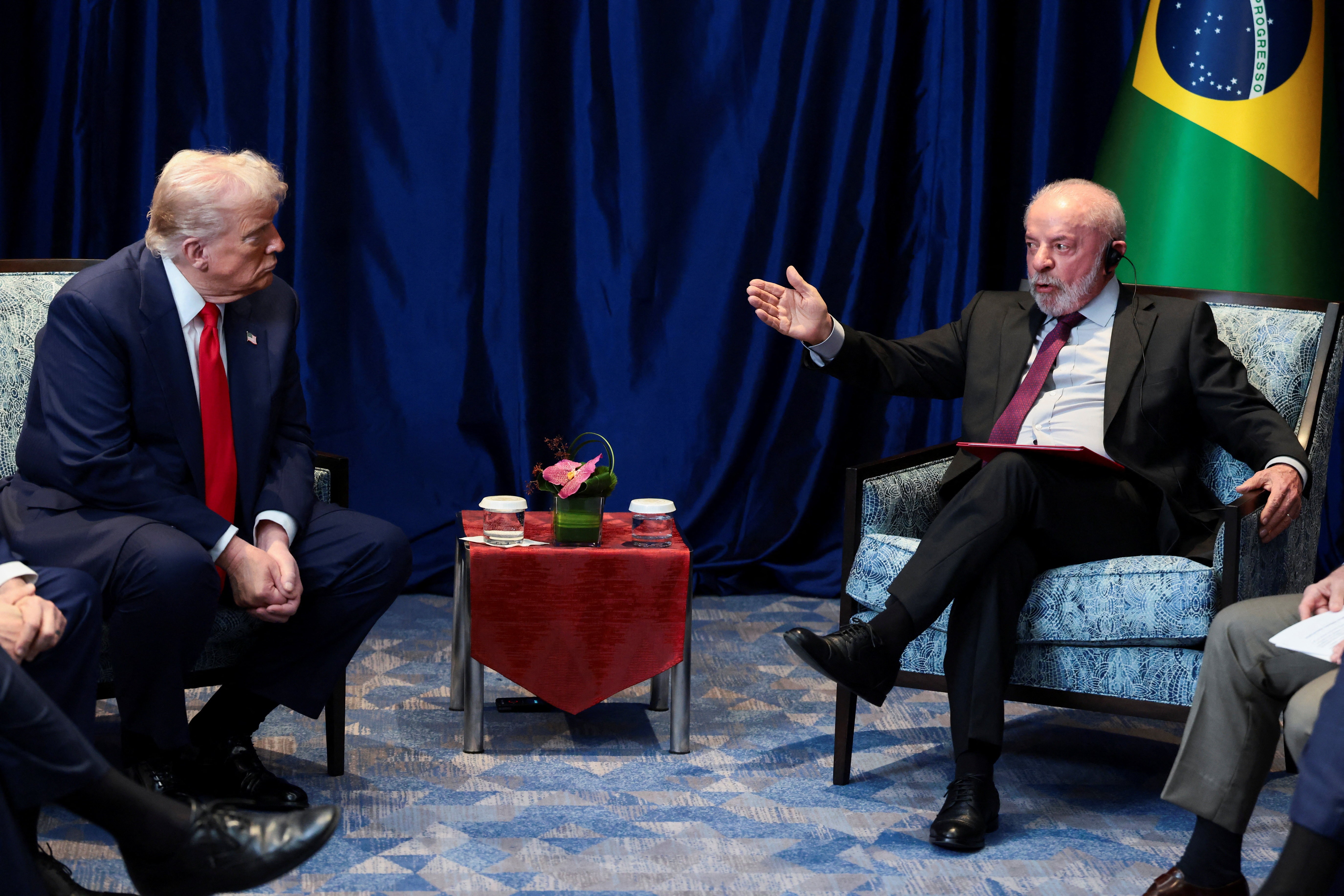
One year after Trump's letter to Lula and announcement of tariffs: remember the main chapters of the trade dispute between the USA and Brazil
IBGE competition: after extension, registrations for more than 8 thousand places end this Thursday
Why do most Brazilians work today, but São Paulo has time off? Understand reason and rules
Trump appears to have determined that a deal - any deal - was a better alternative to the status quo. In turn, Iran effectively held the Strait of Hormuz hostage and demanded that the US comply with its demands. The tactic appears to have worked.
In practice, the essence of this memorandum of understanding (MOU) is that Iran now receives a lot, including tens of billions of dollars, in exchange for not shooting at ships in the Strait of Hormuz.
Understanding the text
To understand how it works, we need to analyze what happens immediately after signing and what is expected for the future. Think of the agreement as two phases. Phase 1 begins now and Phase 2 defers everything else to be resolved in a "final agreement" to be negotiated over the next 60 days. This 60-day period may be extended by mutual agreement.

Toque agora.
Now: Early US Concessions
Like many agreements with Iran, this text is something of a puzzle, with some articles referencing others - and some provisions focused on the future, while others apply immediately.
CNN has access to the text of the agreement between the US and Iran; see the 14 points | CNN NEW DAY
To understand what needs to be done now, see Article 13. It states that immediately after signing, "Articles 4, 5, 10 and 11" of the Memorandum of Understanding must be in force. Therefore, these are the articles that apply now and must be in force even before Phase 2 of negotiations begins.
Let's analyze them:
Articles 4 and 5 (Strait of Hormuz): Under these two articles, the United States lifts the naval blockade and Iran removes obstacles (such as mines) to ensure that traffic through the Strait of Hormuz returns to pre-war levels within the next 30 days.
If the deal stops there, it will be positive for the US and the global economy, as it resolves the core problem of the strait, with both countries agreeing to allow ships to cross at pre-war levels.
But the agreement doesn't end there. In fact, this is where Iranian obligations end and American obligations begin.
Article 10 (sanctions exemption): According to this article, the United States "immediately upon signature... shall grant exemptions for exports of Iranian crude oil, petrochemical products and their derivatives, and all related services, including banking, insurance, transportation, and similar services."
This is a significant concession. At first glance, it returns Iran to the status it enjoyed under the Obama-era nuclear deal (the JCPOA), with unlimited sales of oil and petrochemicals at market prices. Some energy experts have already estimated that this article alone would yield between US$60 and US$70 billion a year directly to Iran.
This represents an expenditure of 60 to 70 billion dollars to do nothing but reopen the Strait of Hormuz, which was already open before the war.
Article 11 (frozen funds): This article is complex, a piece within another puzzle. It says: "The United States undertakes that...
the frozen or restricted funds and assets of the Islamic Republic of Iran be released and made available in full." Within this reticence, the text says "in light of the progress of negotiations towards a final agreement".
This could be interpreted as a caveat to the release of funds in exchange for Iran's performance in the 60-day negotiations for a more permanent agreement.
But let's remember Article 13: these 60-day negotiations do not begin without the "implementation" of this article on frozen funds. Therefore, the frozen funds must be dealt with in some way now and perhaps even before Iran is forced to comply with its cross-strait demands.
Another important point is that this article states that Iran's central bank can determine the beneficiary of the funds once they are released. This is completely different from other agreements with Iran - such as the 2023 hostage rescue agreement - which have made these funds available exclusively to unsanctioned beneficiaries (such as humanitarian goods).
While the wording could certainly change, I don't recall any agreement, other than the JCPOA, that simply released Iran's frozen assets to any designated beneficiary of the country.
Long-term provisions
Has Iran made any new long-term commitments to the United States in exchange for these concessions? From the text we have, this does not appear to be the case.
Article 8 (nuclear weapons): According to the text received by CNN, Iran "reiterates that it will never produce nuclear weapons".
Trump is spreading this article as if he would stop Iran from obtaining nuclear weapons. But the text of the Obama-era JCPOA was more incisive: "Iran reaffirms that it will under no circumstances seek, develop or acquire nuclear weapons." This is not a political issue. It's a fact. The language on nuclear weapons is not new and is actually milder than what the United States had in the deal that Trump abandoned during his first term.
To be fair, the Trump administration destroyed much of Iran's nuclear program, and the memorandum of understanding guarantees that the status quo will be maintained throughout the 60 days of negotiations. Iran is not in a position to develop an atomic bomb, and its initial situation is much worse than under the Obama administration.
But the memorandum of understanding, in its current form, does not chart the path to a broader, more permanent agreement. On the contrary, it makes this path more difficult, given the relief granted to Iran initially.
As for nuclear material and the nuclear program itself, these matters "will be appropriately addressed in a final agreement." In other words, Iran has made no commitments on these issues.
Article 9 (reconstruction fund): This is the much-discussed $300 billion reconstruction fund for Iran. The Memorandum of Understanding does not establish such a fund immediately, but requires the United States, "together with its regional partners, to create a comprehensive plan, agreed to by both parties, for the rehabilitation and economic development of the Islamic Republic of Iran, while ensuring financing of at least $300 billion."
USA and Iran: Agreement between countries includes US$ 300 billion fund | CNN 360º
This plan is expected to be "formulated within 60 days" and will be part of a final agreement with Iran.
To be clear what this means: there will be no "final deal" without a $300 billion reconstruction fund. Iran will not agree to nuclear commitments or anything else unless this fund is a reality. That's certainly how they interpret Article 8, and that's exactly what Article 8 says. Without the fund, there will be no agreement.
Article 7 (all sanctions): This is perhaps the most important article and will make negotiating a long-term agreement quite difficult. It states: "The United States commits to ending, on a schedule to be agreed as part of the final agreement, all types of sanctions currently imposed on the Islamic Republic of Iran."
It then lists UN Security Council sanctions, International Atomic Energy Agency (IAEA) resolutions, and "all U.S. unilateral sanctions, both primary and secondary."
Tehran will take this for what it says: the United States has committed to lifting all (emphasis on "all") sanctions against Iran - for terrorism, missiles, human rights, drones, weapons proliferation, etc. - as part of a "final agreement" on the nuclear program. This goes beyond anything the US has ever done or offered in the past.
To justify such a move by the United States, Iran would presumably need to renounce its support for terrorism and completely change the essence of the Islamic Republic. It is difficult to imagine the United States lifting all sanctions just in exchange for nuclear measures. But the memorandum of understanding, in its current form, provides only for a final nuclear agreement.
There is absolutely nothing in this text about Iran's support for terrorist groups, human rights violations against its own people, plans to assassinate Americans, its missile and drone program or its allies throughout the Middle East region.
As for the IAEA, Iran claims to have received a clean bill of health despite its well-known weapons development program. This shouldn't be up for discussion. Iran had a weapons program. Everyone knows that. Iran did not admit it. Until you do this, there is no certificate of health.
End of war
Ultimately, the memorandum of understanding seeks to establish "an immediate and permanent end to the war on all fronts, including Lebanon" and commits the United States and Iran not to use force - or threaten to use it - against each other.
Trump may have already violated this provision when, at the G7 summit in France, he said today about Iran and its future behavior: "If I don't like it, we will shoot them again, dropping bombs right in their heads."
In any case, stating on paper that a war in the Middle East ends without any commitment from Iran to cease support for terrorist groups that foment war in the region (including Hezbollah in Lebanon) does little good in practice. As long as Hezbollah is concentrated in Lebanon and firing at Israel, Israel will fight back to defend itself. The path to ending the war in Lebanon passes through Israel and Lebanon, not Tehran.
As for the Iranian people, the United States has now committed to non-interference in Iran's internal affairs, which Iran will interpret as an end to sanctions against human rights violators or those responsible for the murder of innocent Iranians in the streets. Iran will approve this provision. It is provided for in Article 2, with nothing in return from Iran.
It is unlikely to last very long
Based on this text and what we know about Iran's negotiating strategy as well as its behavior in the Middle East and globally over 47 years, it is unlikely that the United States will be able to move from this unilateral memorandum of understanding to a comprehensive agreement on the nuclear program or any other issue.
The United States appears to have ceded much of its influence in exchange for opening the Strait of Hormuz. And as these negotiations drag on or reach an impasse, the peace the memorandum of understanding seeks to establish may not last.
Source: CNN
As músicas que o Mundo está tocando agora
-
1
 Balancê
Sara Tavares
Balancê
Sara Tavares
-
2
 Majestade
Carlos A. Moyses
Majestade
Carlos A. Moyses
-
3
 It's A Great Day (for Me To Whoop Somebody's Ass)
Paul Thorn
It's A Great Day (for Me To Whoop Somebody's Ass)
Paul Thorn
-
4
 Paraíso
Danilo Santos
Paraíso
Danilo Santos
-
5
 Yesterday
Petula Clark
Yesterday
Petula Clark
-
6
 Maybe someday
The Cure
Maybe someday
The Cure
-
7
 Un Trocito De Cielo
Jaci Velasquez
Un Trocito De Cielo
Jaci Velasquez
-
8
 Call Me Up
Ezio
Call Me Up
Ezio
-
9
 Por Onde Anda Você?
Nina Fernandes
Por Onde Anda Você?
Nina Fernandes
-
10
 Con El Cielo
Hillsong Worship
Con El Cielo
Hillsong Worship
-
11
 Vem Com Teu Fogo
Adorazione
Vem Com Teu Fogo
Adorazione
-
12
 Excelente
Lucas Santos Tiago
Excelente
Lucas Santos Tiago
-
13
 Fake Amor
Melody
Fake Amor
Melody
-
14
 Rock And Roll In The Hay
Brad Cotter
Rock And Roll In The Hay
Brad Cotter
-
15
 Nunca Había Sentido Tanto Miedo
Alejandro Neri
Nunca Había Sentido Tanto Miedo
Alejandro Neri
-
16
 Hipnose
Manu Gavassi
Hipnose
Manu Gavassi
-
17
 Hey, Good Lookin'
Dean Martin
Hey, Good Lookin'
Dean Martin
-
18
 Augusta, Angélica e Consolação
Tom Zé
Augusta, Angélica e Consolação
Tom Zé
-
19
 Enquanto Cê Não Vem
Eu, Trovador
Enquanto Cê Não Vem
Eu, Trovador
-
20
 Pelo Teu Nome
Leonardo Campos
Pelo Teu Nome
Leonardo Campos
Historias das musicas em destaque
 Historia da musica
Learn to play Yesterday, by Petula Clark, and discover a beautiful classical interpretation
07/07/2026
Singer Petula Clark built a career marked by elegant interpretations and hits that spanned decades. His version of "Yesterday" presents...
 Historia da musica
Learn to play Call Me Up, by Ezio, and discover folk music full of personality
07/07/2026
The Ezio group is recognized for its compositions that combine folk, rock and sophisticated melodies. The song "Call Me Up" draws atten...
 Historia da musica
Learn to play Maybe Someday, by The Cure, and improve on the guitar
07/07/2026
Among alternative rock's most influential bands, The Cure has built a career full of memorable songs. "Maybe Someday" is one of the son...
 Historia da musica
Learn to play It's a Great Day for Me to Whoop Somebody's Ass by Paul Thorn
07/07/2026
With great humor and a vibe that mixes country, blues and rock, "It's a Great Day for Me to Whoop Somebody's Ass", by Paul Thorn, becam...
 Historia da musica
Learn to play Balancê, by Sara Tavares, and discover all the richness of Lusophone music
07/07/2026
Singer Sara Tavares marked international music with her unique identity, mixing African, Portuguese influences and contemporary sounds....
 Historia da musica
Learn to play Majestade, by Carlos A. Moyses, on the guitar with more emotion and technique
07/07/2026
Some songs manage to cross generations carrying messages of faith, hope and adoration. "Majesty", performed by Carlos A. Moyses, is one...
 Historia da musica
Learn to play Quem Você Exalta, by ExaltaSamba, on the guitar
07/07/2026
For those who like samba and pagode, "Quem Você Exalta", by ExaltaSamba, is a great song to develop new guitar skills. With a character...
 Historia da musica
Learn to play Con el Cielo, by Hillsong Worship, and strengthen your worship repertoire
07/07/2026
Hillsong Worship's "Con el Cielo" is an excellent choice for musicians who enjoy congregational worship and want to develop a solid gui...
 Historia da musica
Learn to play Por Onde Anda Você, by Nina Fernandes, and improve on the guitar
07/07/2026
The song "Por Onde Anda Você", performed by Nina Fernandes, conquers with the delicacy of the melody and the way it conveys feelings th...
 Historia da musica
Learn to play Para Só, by Danilo Santos, on the guitar with more emotion and technique
07/07/2026
If you're looking for an exciting song to expand your guitar repertoire, "Para Só", by Danilo Santos, is an excellent choice. The song...
Mais noticias para voce
 Noticia
09/07/2026
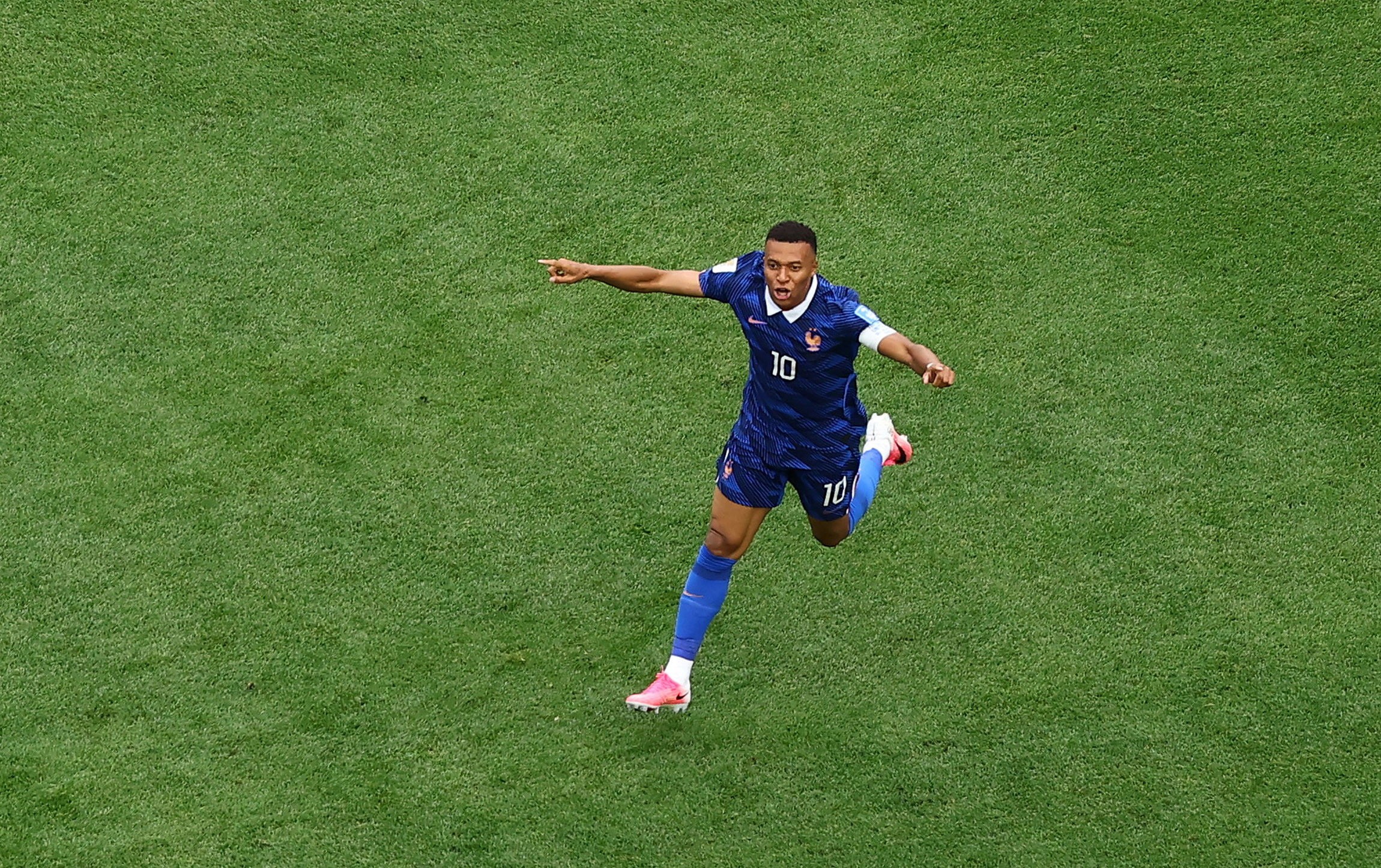
France and Morocco face each other on the 1st day of the 2026 World Cup quarterfinals; see timetable
Kylian Mbappé, from France, celebrates the team's first goalREUTERS/Bernadett SzaboThe quarter-finals of the 2026 World Cup begin this Thursday (9) with the gam...
 Noticia
09/07/2026
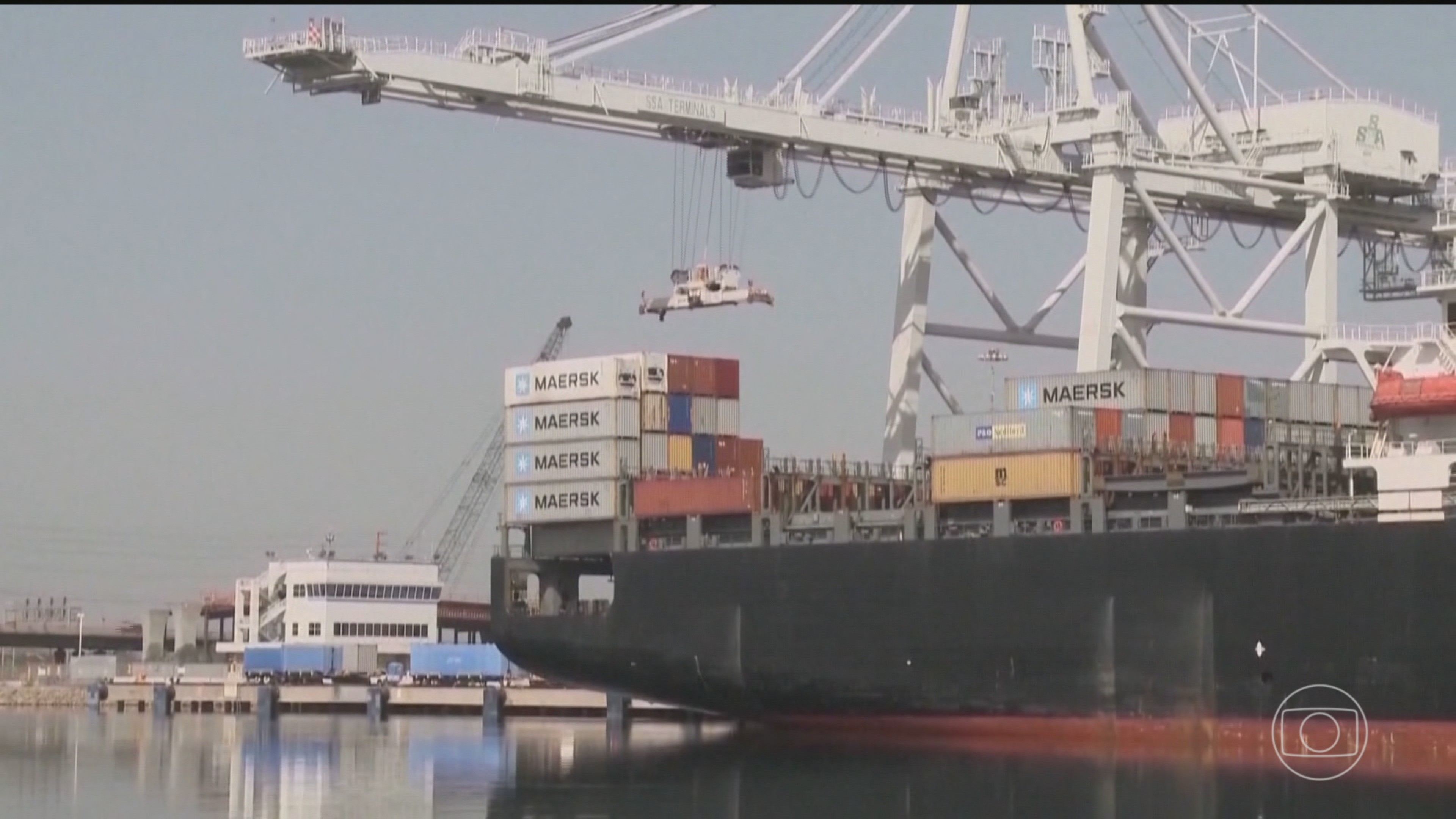
Itamaraty maps more than 40 American companies and associations that do not want tariffs on Brazilian products
The Ministry of Foreign Affairs mapped 43 American companies and trade associations that ask that Brazilian products not be taxed based on the open investigatio...
 Noticia
09/07/2026
Flight instructor who jumped out of a plane in Argentina: opening the door in the air is a trained maneuver, says expert
Flight instructor throws himself out of a plane in mid-air in Argentina; student manages to landThe story of the flight instructor who threw himself into the ai...
 Noticia
09/07/2026
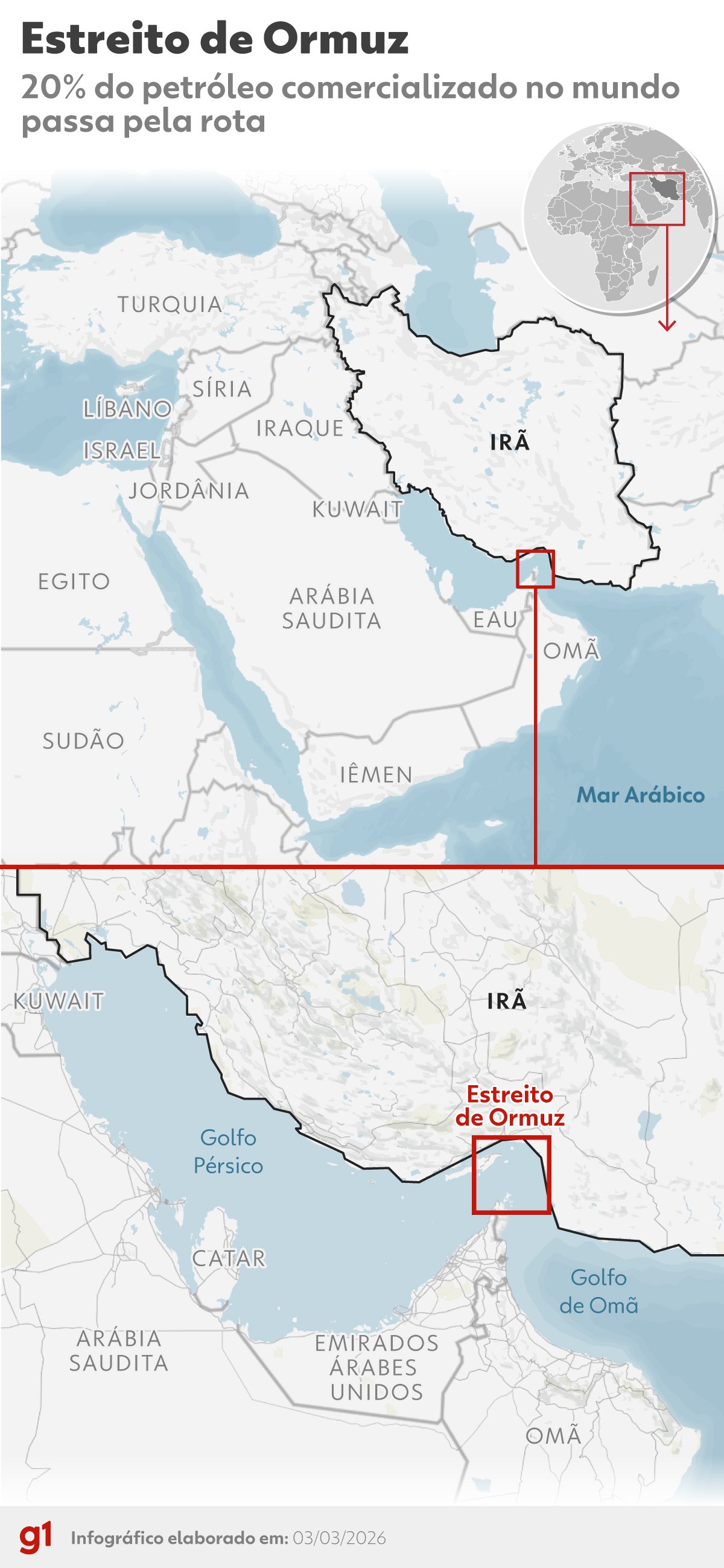
What is the Strait of Hormuz, essential for global oil; dispute over ticket leads to new attacks between US and Iran
The Strait of Hormuz returned to the spotlight after a new escalation in the conflict between the United States and Iran. This Wednesday (8), the US launched ne...
 Noticia
09/07/2026
Netanyahu is the biggest beneficiary of the end of the ceasefire, says professor
The breakdown of the ceasefire between the United States and Iran, marked by bilateral attacks on Wednesday (08), has an unexpected beneficiary according to exp...
 Noticia
09/07/2026
Savarino shines and Fluminense beats Nova Iguaçu in a friendly
In a friendly played at Maracanã, in Rio de Janeiro, Fluminense beat Nova Iguaçu 6-1 this Wednesday (8). Despite Hulk's long-awaited debut with the tricolor shi...
Participe da conversa
Seu comentario ajuda a manter a discussao viva e ainda convida outros leitores a continuar navegando pelo portal.
Seja o primeiro a comentar esta noticia.