

Leia a noticia completa
The Constitutionalist Revolution of 1932 is remembered to this day in São Paulo
While millions of Brazilians leave their homes normally to go to work this Thursday (9), São Paulo residents enjoy a state holiday.
After all, why is July 9th a public holiday only in São Paulo? Who is entitled to time off? Whoever works gets paid double? And what about cases of home office or employees who work for companies based in other states?
The answer goes through one of the most important episodes in the history of São Paulo: the Constitutionalist Revolution of 1932. The movement began on July 9 of that year and put São Paulo in confrontation with the provisional government of Getúlio Vargas.
Although it ended with the military defeat of the constitutionalists, the revolution became a symbol of the fight for a new Constitution and began to occupy a central place in the state's political memory.
Because of its historical weight, it became São Paulo's biggest date and, decades later, it became a public holiday.
Why does the holiday only exist in São Paulo?
How did the 9th of July become a public holiday?
Who has the right to the day off?
Whoever works on the holiday gets paid double?
And in the home office? What's it worth?
I work for a company in another state. Am I entitled to the holiday?
The Estaiada bridge is seen reflected in the proliferation of algae that turned the water of the Pinheiros River green, in the South Zone of São Paulo. According to Cetesb, the dry period reduced the contributions of tributaries, maintaining a very low flow in the main channel and favoring the proliferation of algae, responsible for the change in color (September 10)
Jorge Silva/Reuters
Why does the holiday only exist in São Paulo?
The origin of the date helps to explain why it is not celebrated in the rest of the country. The Constitutionalist Revolution emerged in a context of strong political tension.
In 1930, Getúlio Vargas took power after the revolution that overthrew the then president Washington Luís and ended the so-called Café com Leite policy, marked by the alternation of power between São Paulo and Minas Gerais.
In the following years, dissatisfaction grew among sectors of the elite and the population of São Paulo. The state had lost political influence and began to demand the convening of a Constituent Assembly to return a Constitution to the country.
The protests gained strength in May 1932. During a demonstration, four young people died: Martins, Miragaia, Dráusio and Camargo. The initials of the surnames gave rise to the MMDC movement, which became one of the main symbols of São Paulo's mobilization.
Just over a month later, on July 9, the armed uprising against the federal government began.
The revolution mobilized thousands of volunteers and had broad popular participation. The constitutionalists, however, ended up defeated after almost three months of fighting. Even so, the movement began to be remembered by São Paulo residents as a milestone in the defense of the country's constitutionalization.
As it was a revolution led by São Paulo and deeply linked to the state's history, the date never became a national celebration. Recognition remained restricted to the territory of São Paulo.
Poster of the Constitutionalist Revolution of 1932
Disclosure/MIS
How did the 9th of July become a public holiday?
The transformation of the date into a public holiday occurred just 65 years after the revolution. In 1995, Federal Law No. 9,093 authorized Brazilian states to choose their own major date and transform it into a civil holiday.
In São Paulo, State Law No. 9,497 was approved, sanctioned by the then governor Mário Covas on March 5, 1997. The norm made July 9 official as a state holiday.
In practice, this means that the date has the force of law and does not depend on the annual publication of decrees to exist.
Who has the right to time off?
According to labor lawyer Zilma Aparecida da Silva Ribeiro, partner at the firm Lopes Muniz Advogados, the state holiday takes effect only within the territory that established it.
"In addition, only workers with a CLT contract. But it is important to clarify that not all CLT workers have the right to the holiday off.
For example, those who are not subject to working hours control."
In other words, companies with workers working in São Paulo must observe the rules applicable to holidays.
Those who work on holidays receive double pay?
Not always. The legislation provides that work carried out on holidays must be compensated, but this compensation can occur in two ways.
Law No. 605/1949 establishes that, when it is not possible to suspend activities, work carried out on holidays must be remunerated in double.
"But if the employer grants another day off to compensate for work on the holiday, they will not need to pay double for that day", explains the lawyer.
What's the point in the home office?
With the expansion of remote work, many professionals carry out their activities for companies located in other states. working hours control maintains rights related to working on holidays.
"If the teleworking employee is subject to working hours control, he or she will be entitled to double remuneration or compensatory time off for working on a holiday. Anyone who does not have a controlled working day and works from home does not have the right to a double day or to time off."
The lawyer explains that, to define which holiday applies to the remote worker, the contractually defined location of service provision must be considered. Therefore, if the employee is working remotely from a location where the day is a holiday, the date must be observed.
I work for a company in another state. Am I entitled to the holiday?
In most cases, yes. According to Zilma, the location of the The company's headquarters is normally not the main element to define the application of the holiday.
"What must be considered is the location of the provision of services, regardless of where the company is established."
Thus, a worker who provides services in São Paulo for a company based in another state must have the São Paulo holiday observed.
Similarly, an employee who works in another state for a São Paulo company will not automatically be entitled to the July 9th holiday just because the company's headquarters is in São Paulo. place where services are provided.
Source: G1



Toque agora.
As músicas que o Mundo está tocando agora
-
1
 Balancê
Sara Tavares
Balancê
Sara Tavares
-
2
 Majestade
Carlos A. Moyses
Majestade
Carlos A. Moyses
-
3
 It's A Great Day (for Me To Whoop Somebody's Ass)
Paul Thorn
It's A Great Day (for Me To Whoop Somebody's Ass)
Paul Thorn
-
4
 Paraíso
Danilo Santos
Paraíso
Danilo Santos
-
5
 Yesterday
Petula Clark
Yesterday
Petula Clark
-
6
 Maybe someday
The Cure
Maybe someday
The Cure
-
7
 Un Trocito De Cielo
Jaci Velasquez
Un Trocito De Cielo
Jaci Velasquez
-
8
 Call Me Up
Ezio
Call Me Up
Ezio
-
9
 Por Onde Anda Você?
Nina Fernandes
Por Onde Anda Você?
Nina Fernandes
-
10
 Con El Cielo
Hillsong Worship
Con El Cielo
Hillsong Worship
-
11
 Vem Com Teu Fogo
Adorazione
Vem Com Teu Fogo
Adorazione
-
12
 Excelente
Lucas Santos Tiago
Excelente
Lucas Santos Tiago
-
13
 Fake Amor
Melody
Fake Amor
Melody
-
14
 Rock And Roll In The Hay
Brad Cotter
Rock And Roll In The Hay
Brad Cotter
-
15
 Nunca Había Sentido Tanto Miedo
Alejandro Neri
Nunca Había Sentido Tanto Miedo
Alejandro Neri
-
16
 Hipnose
Manu Gavassi
Hipnose
Manu Gavassi
-
17
 Hey, Good Lookin'
Dean Martin
Hey, Good Lookin'
Dean Martin
-
18
 Augusta, Angélica e Consolação
Tom Zé
Augusta, Angélica e Consolação
Tom Zé
-
19
 Enquanto Cê Não Vem
Eu, Trovador
Enquanto Cê Não Vem
Eu, Trovador
-
20
 Pelo Teu Nome
Leonardo Campos
Pelo Teu Nome
Leonardo Campos
Historias das musicas em destaque
 Historia da musica
Learn to play Yesterday, by Petula Clark, and discover a beautiful classical interpretation
07/07/2026
Singer Petula Clark built a career marked by elegant interpretations and hits that spanned decades. His version of "Yesterday" presents...
 Historia da musica
Learn to play Call Me Up, by Ezio, and discover folk music full of personality
07/07/2026
The Ezio group is recognized for its compositions that combine folk, rock and sophisticated melodies. The song "Call Me Up" draws atten...
 Historia da musica
Learn to play Maybe Someday, by The Cure, and improve on the guitar
07/07/2026
Among alternative rock's most influential bands, The Cure has built a career full of memorable songs. "Maybe Someday" is one of the son...
 Historia da musica
Learn to play It's a Great Day for Me to Whoop Somebody's Ass by Paul Thorn
07/07/2026
With great humor and a vibe that mixes country, blues and rock, "It's a Great Day for Me to Whoop Somebody's Ass", by Paul Thorn, becam...
 Historia da musica
Learn to play Balancê, by Sara Tavares, and discover all the richness of Lusophone music
07/07/2026
Singer Sara Tavares marked international music with her unique identity, mixing African, Portuguese influences and contemporary sounds....
 Historia da musica
Learn to play Majestade, by Carlos A. Moyses, on the guitar with more emotion and technique
07/07/2026
Some songs manage to cross generations carrying messages of faith, hope and adoration. "Majesty", performed by Carlos A. Moyses, is one...
 Historia da musica
Learn to play Quem Você Exalta, by ExaltaSamba, on the guitar
07/07/2026
For those who like samba and pagode, "Quem Você Exalta", by ExaltaSamba, is a great song to develop new guitar skills. With a character...
 Historia da musica
Learn to play Con el Cielo, by Hillsong Worship, and strengthen your worship repertoire
07/07/2026
Hillsong Worship's "Con el Cielo" is an excellent choice for musicians who enjoy congregational worship and want to develop a solid gui...
 Historia da musica
Learn to play Por Onde Anda Você, by Nina Fernandes, and improve on the guitar
07/07/2026
The song "Por Onde Anda Você", performed by Nina Fernandes, conquers with the delicacy of the melody and the way it conveys feelings th...
 Historia da musica
Learn to play Para Só, by Danilo Santos, on the guitar with more emotion and technique
07/07/2026
If you're looking for an exciting song to expand your guitar repertoire, "Para Só", by Danilo Santos, is an excellent choice. The song...
Mais noticias para voce
 Noticia
09/07/2026
Electrical discharge kills young man in park that hosted COP30 in PA
A young man died after suffering an electric shock on Wednesday night (8), in Parque da Cidade, in Belém, Pará. According to witnesses, the victim was at the sk...
 Noticia
09/07/2026
One year after Trump's letter to Lula and announcement of tariffs: remember the main chapters of the trade dispute between the USA and Brazil
On July 9, 2025, the President of the United States, Donald Trump, sent a letter to President Luiz Inácio Lula da Silva (PT) announcing a 50% tariff on Brazilia...
 Noticia
09/07/2026
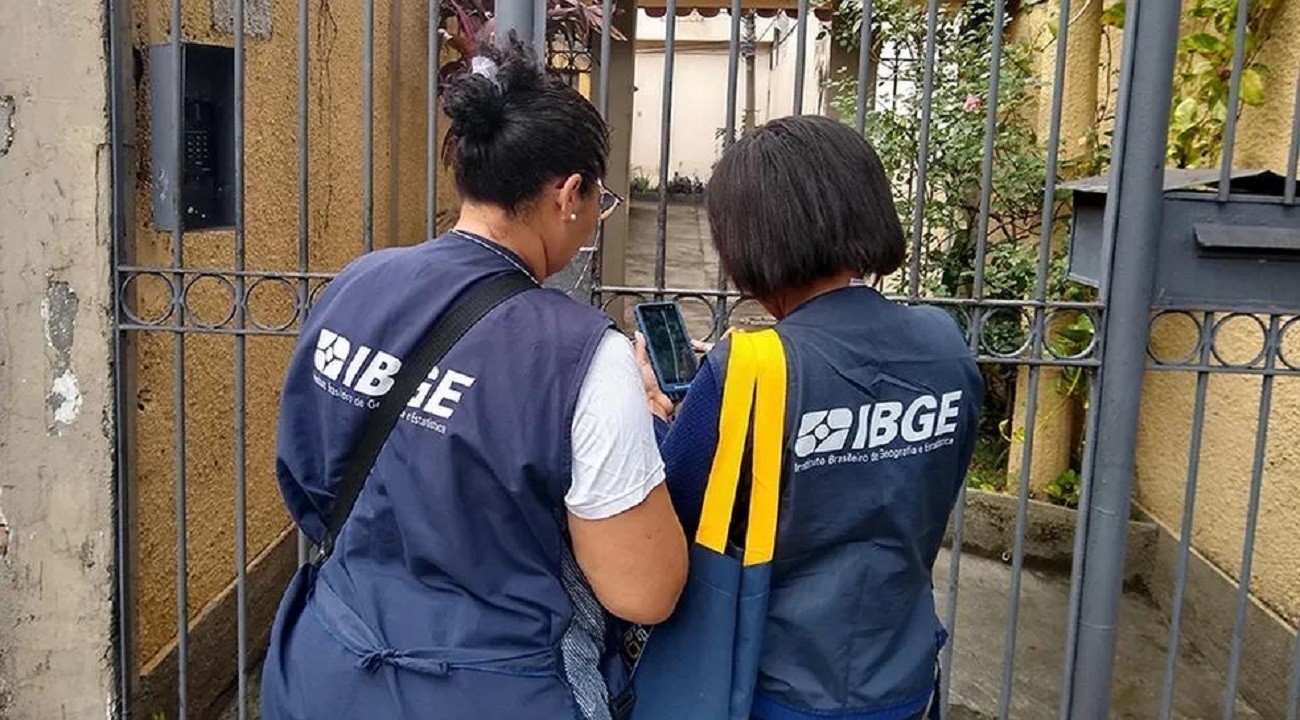
IBGE competition: after extension, registrations for more than 8 thousand places end this Thursday
IBGE extends registrations for competition with more than 8 thousand temporary vacanciesAfter being extended, registrations for the simplified selection process...
 Noticia
09/07/2026
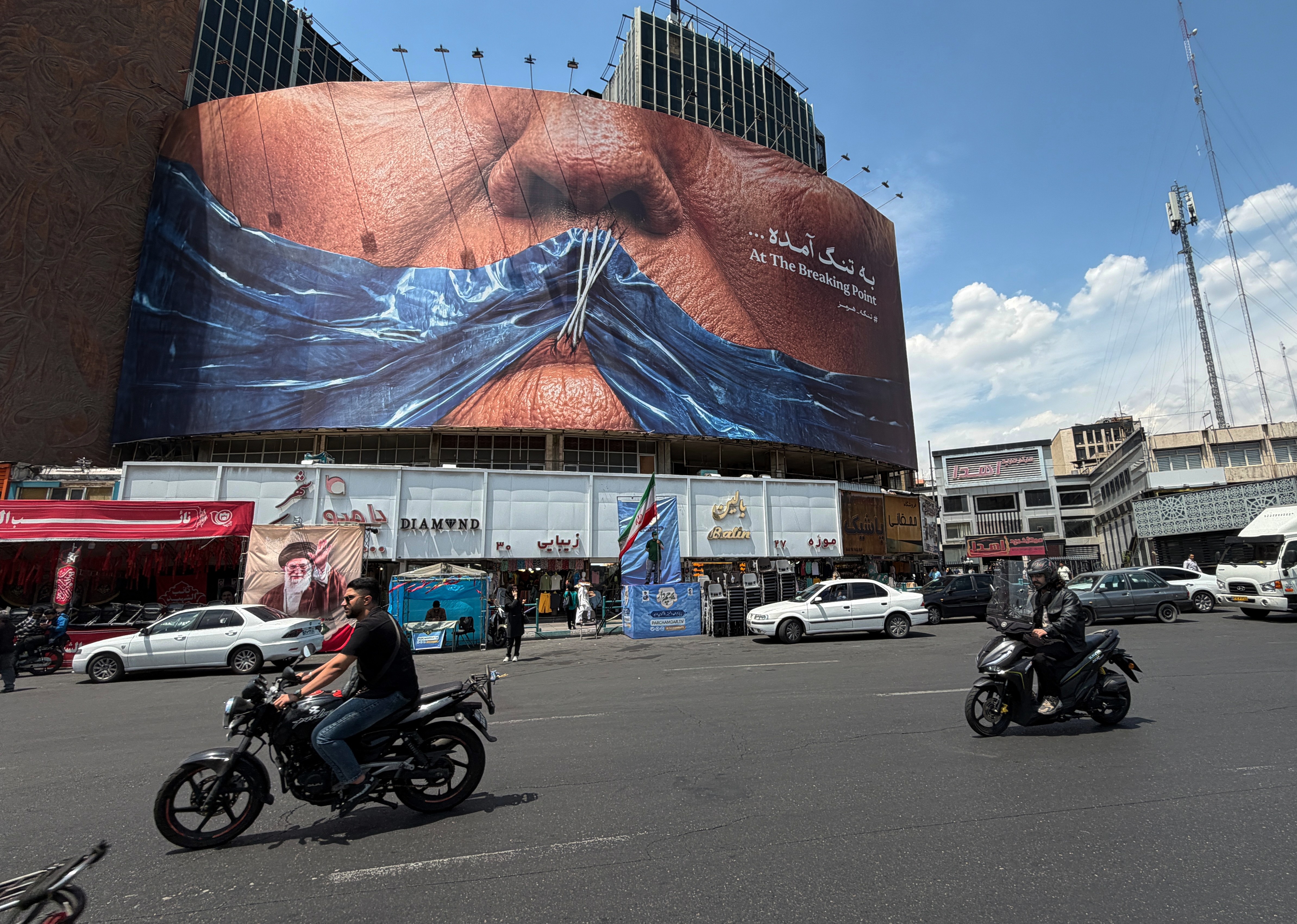
Who will control the Strait of Hormuz? Understand what is behind the new wave of attacks between the US and Iran
United States resumes bombing targets in IranThe new attacks by the United States against Iran this Wednesday (8) are set against a dispute that goes beyond bom...
 Noticia
09/07/2026
France and Morocco face each other on the 1st day of the 2026 World Cup quarterfinals; see timetable
Kylian Mbappé, from France, celebrates the team's first goalREUTERS/Bernadett SzaboThe quarter-finals of the 2026 World Cup begin this Thursday (9) with the gam...
 Noticia
09/07/2026
Itamaraty maps more than 40 American companies and associations that do not want tariffs on Brazilian products
The Ministry of Foreign Affairs mapped 43 American companies and trade associations that ask that Brazilian products not be taxed based on the open investigatio...
Participe da conversa
Seu comentario ajuda a manter a discussao viva e ainda convida outros leitores a continuar navegando pelo portal.
Seja o primeiro a comentar esta noticia.