Workers block Volkswagen's restructuring plan, agency says
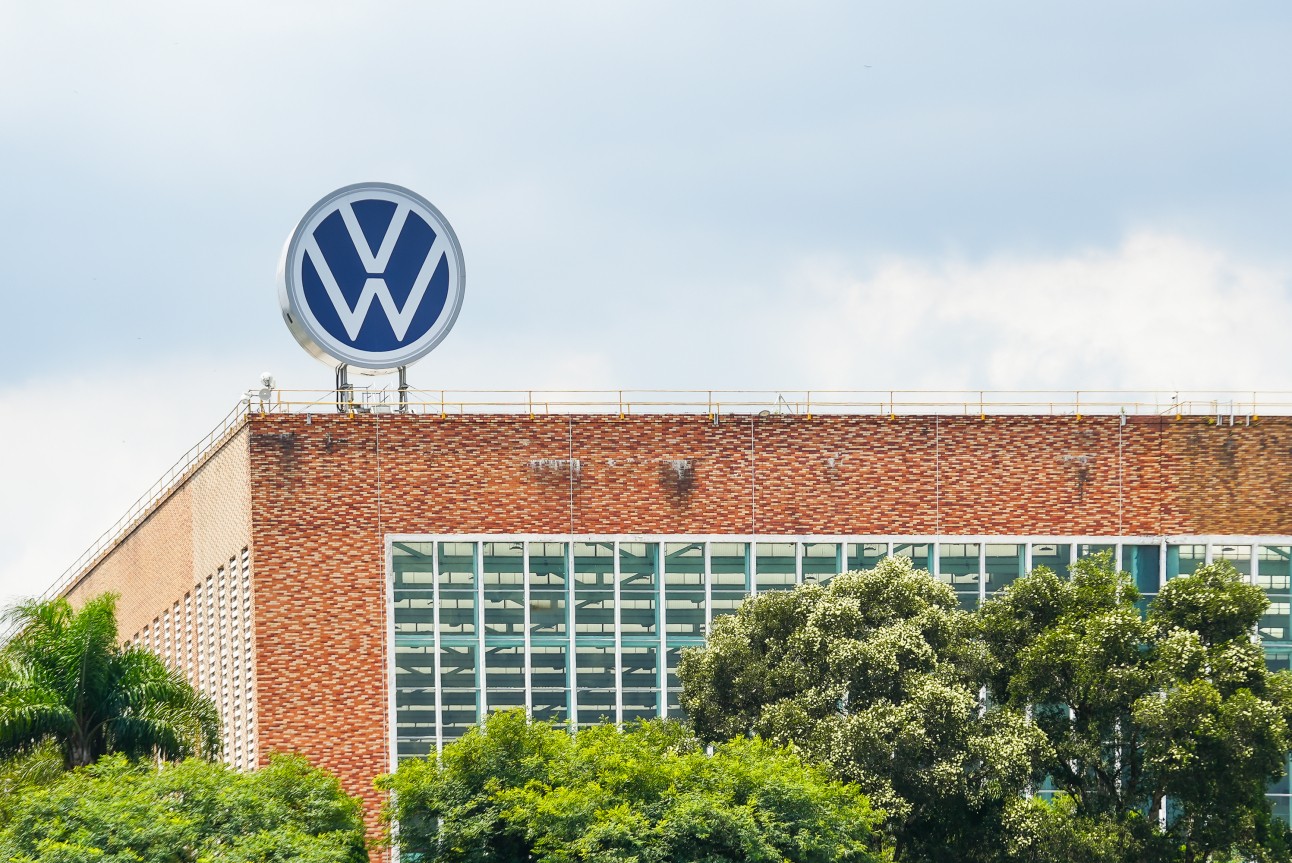
Volkswagen factory in São Bernardo do Campo (SP), where four models of the brand are produced.
Celso Tavares/g1
Representatives of Volkswagen workers blocked a broad restructuring plan for the company, two sources told Reuters this Friday. The episode highlights the difficulties faced by CEO Oliver Blume in reformulating Europe's largest automaker.
Blume is trying to make the group more efficient at a time when Volkswagen is facing the rise of Chinese competition, billions of euros in costs associated with tariffs imposed by the United States and doubts about the competitiveness of its factories in Germany.
Favorite g1 on Google and follow the main news of the day
Volkswagen's governance structure, however, makes decision-making more complex. This is because worker representatives and the State of Lower Saxony control the majority of seats on the company's supervisory board.
At a meeting held on Thursday (9), the supervisory board rejected by 12 votes to 7 the restructuring proposal presented by the board, following opposition from worker representatives, according to the sources.
Now on g1
Sources familiar with the discussions had previously informed Reuters that Blume's proposal included cutting up to 100,000 jobs and possible closure from four factories in Germany.
Amid pressure on the company, Volkswagen reported this Friday an 8.6% drop in second-quarter deliveries, the biggest decline in four years.
Analysts see a lack of concrete measures in the plan
After the meeting, Volkswagen released a statement. Analysts, however, stated that the so-called "plan for the future" brings few concrete measures and highlights the board's difficulty in moving forward with deeper changes.
In the statement released on Thursday night, Volkswagen did not mention job cuts or factory closures. Instead, it reiterated already known goals to simplify its operations, measures that did not even depend on the approval of the supervisory board.
Analysts at Jefferies said that "there is no indication of progress towards an agreement".
Bernstein analysts said the plan is "full of ideals, but very poor in concrete measures."
Some analysts, however, positively assessed the simplification proposals, which include reducing global production capacity from 10 million to 9 million vehicles per year and cutting the number of models offered by up to 50%. luxury Lamborghini car.
Unions demand details of the plan after protests
IG Metall, Germany's largest industrial union, held demonstrations at Volkswagen units across the country this Thursday and demanded from the company a clear strategy to guarantee production in the future.
The works council demanded that the company clarify, by the end of this Friday, its cost reduction plans.
Volkswagen's current labor agreement limits strikes, but the unions have threatened to expand the strikes. protests if the company tries to review its commitments to job security.
Despite the tensions, both sides agree on the scale of the challenges facing Volkswagen, whose profit margins have halved in the last five years due to the weakness of the Chinese market, the costs of electrification and trade tariffs.
German Chancellor Friedrich Merz has promised to implement reforms to increase the country's competitiveness amid the difficulties faced by key sectors of the industry.
"Everyone involved is aware that Volkswagen and The automobile industry faces a critical moment in an increasingly challenging international competitive environment," said Olaf Lies, premier of the state of Lower Saxony.
Sources familiar with the matter said that Lower Saxony, where Volkswagen's Wolfsburg headquarters is located, tried to broker a compromise during supervisory board discussions.
According to one of the sources, the state government even planned to present its own proposal, but the idea was eventually abandoned. The source did not provide further details. The government of Lower Saxony declined to comment on the matter.
Source: G1