With military siege, Venezuelan regime makes it difficult for NGOs and journalists to act
One week after the earthquakes, interim president of Venezuela declares seven days of mourning
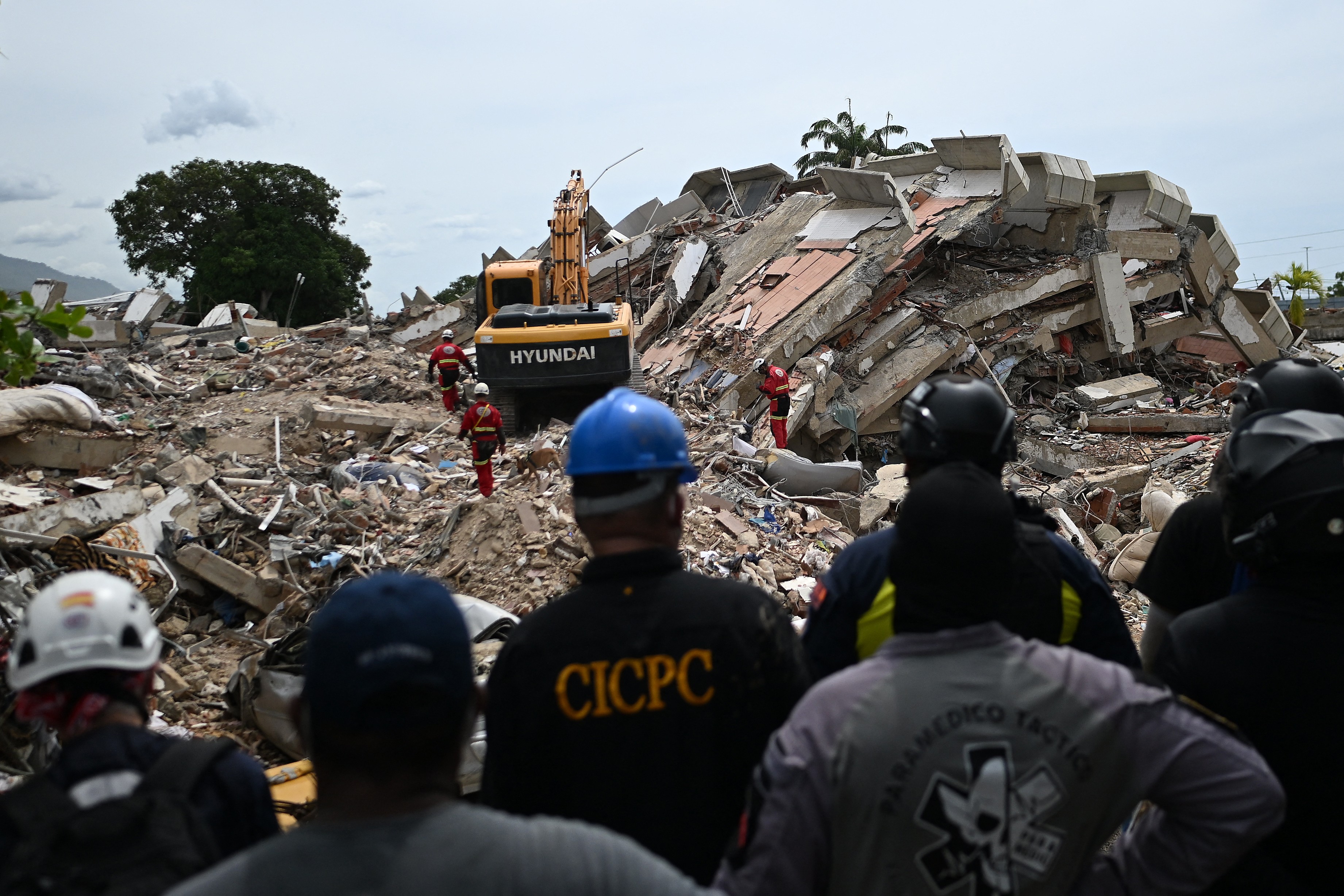
As the days pass, the Venezuelan government's unpreparedness to deal with the effects of the double earthquake that hit the country becomes more evident. The decision to militarize the La Guaira region is one of the indicators of Chavista's chaotic management.
✅ Follow the g1 international news channel on WhatsApp
The overt presence of security forces in the areas most affected by the catastrophe reflects the regime's modus operandi, hindering the work of humanitarian organizations and intimidating the work of journalists. The military siege also increases tensions with residents involved in rescuing survivors and worries a group of 40 NGOs defending human rights.
In a statement, the entities demand that the actions of the military and security forces be "proportionate, transparent and subject to supervision mechanisms" and that access for health professionals, journalists and humanitarian organizations be guaranteed.
The appeal appears to have no effect. Reports that military and police officers were involved in robberies and looting or refused to help with searches outraged residents. One of the most respected NGOs in the country, Provea detected, on a visit to La Guaira, the excessive number of armed agents from government intelligence bodies, who do not have legal authority to manage risks and control public order.
Volunteers and paramedics watch rescue teams carry out acoustic tests in search of survivors in a building that collapsed in an earthquake, in Caraballeda, in the state of La Guaira, Venezuela
Juan Barreto/AFP
"We did not observe any state effort or initiative to provide citizens with essential services, such as food or drinking water. On the contrary, the actions of the authorities appear to prioritize military-police control of the territory, to the detriment of their obligations to respond to the suffering of citizens," the NGO found.
Provea describes uncoordinated actions and the overlapping of functions between the security forces operating in La Guaira: "This causes poor management of the traffic of ambulances and health professionals and little protection for the humanitarian workers, who sometimes need to take on the responsibility of directing traffic in congested areas just to continue their work."
The government led by Delcy Rodríguez invokes the militarization of the affected areas under the pretext of preventing looting and reorganizing traffic, but, as usual, appears to act in a way to ensure control of the narrative of the catastrophe.
The leader of the relief group Topos Chile, Francisco Lermanda, accused the Venezuelan military of subjecting its 46 volunteers to checks excessive, under suspicion of being spies. He said that a soldier entered the area where the group was digging a tunnel under the rubble just to demand documents from the rescuers - a procedure that had already been carried out.
"There is a paranoia about who we are, why we are here. They cannot understand that we are volunteers from an NGO, that we came here with our own resources", summarized Lermanda. This is the Chavista regime in its in natura form, acting more to persecute than to support those who are there to help.
READ ALSO:
Rescuers rescue Venezuelan buried for 8 days in 'disaster zone'
How long can a person survive under the rubble after an earthquake?
Doctors predict long public health crisis in Venezuela after earthquake
Source: G1