Why hacker attack on supplier worries Apple ahead of iPhone 18 launch
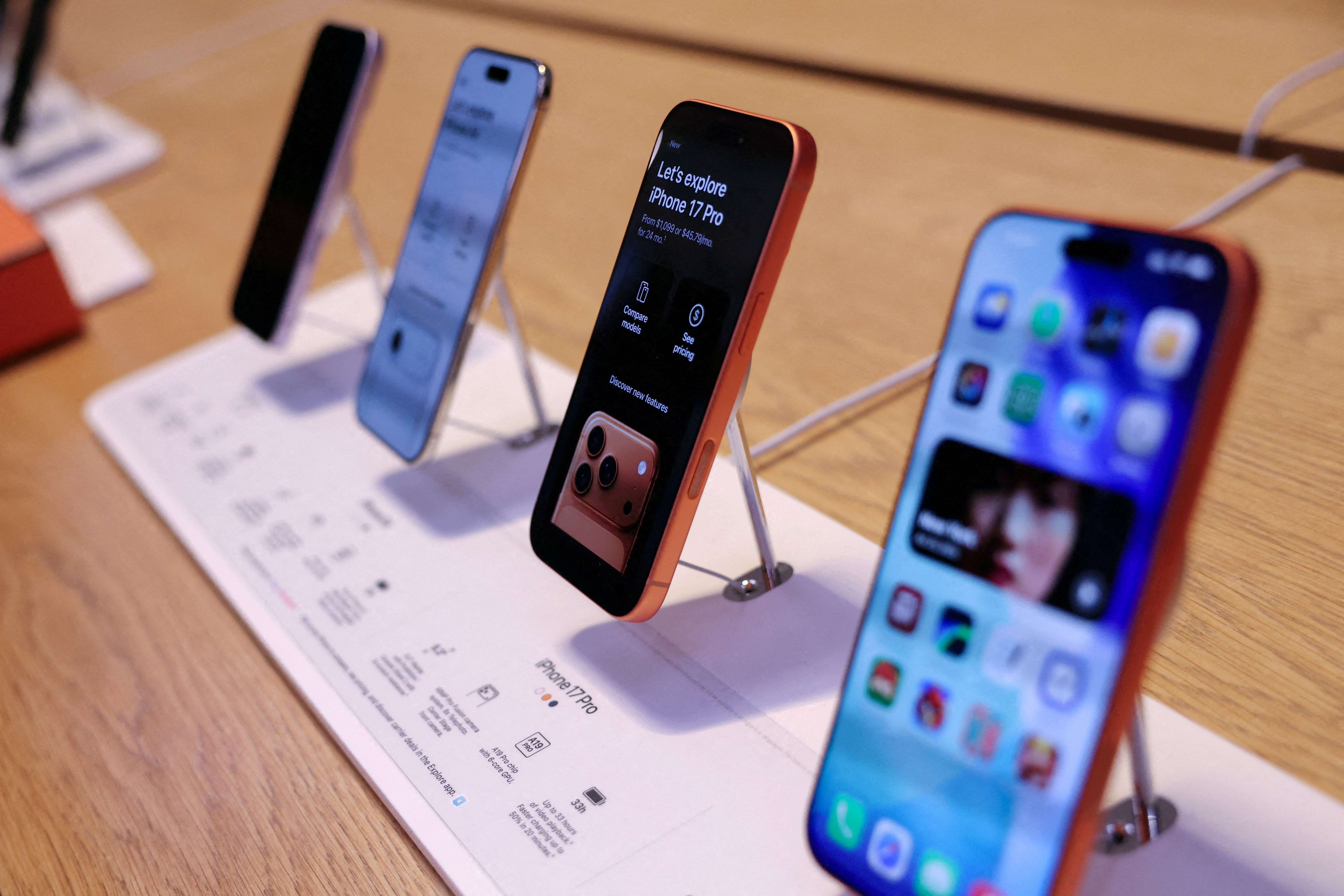
Models of the iPhone 17 line in an Apple store in the USA, in a photo from September 19, 2025
Reuters/Shannon Stapleton
Photos of the future iPhone 18 Pro, scheduled to be launched in September, ended up on the dark web after a hacker attack on Tata Electronics, Apple's Indian supplier. The leaked material also includes a confidential list of the American giant's components and suppliers.
The information was confirmed through documents and a Reuters source, a week after Tata Electronics reported having been the target of a cybersecurity incident. More than 200,000 files were leaked by the World Leaks ransomware group, according to the news agency.
Do you have any suggestions for a report? Send it to g1
Ransomware is a type of hacker attack that blocks data from a system and demands a ransom for it to be released. In some cases, information is leaked on the dark web, a restricted area of the internet, available only through specific programs.
In the new documents, at least six files detail various components of the iPhone 18 Pro for an Apple supplier. They include details of chips on the main circuit board, as well as parts of the battery and cameras.
Now on g1
Several of the leaked files are watermarked with the warning "confidential" and internal Apple code names, consistent with the iPhone 18 Pro generation, according to a Reuters source.
In the folder with iPhone 18 Pro files, there are photographs of the cell phones being subjected to drop tests at one of Tata's factories, dating from the beginning of 2026.
The photos show a conventional, gray, rectangular-shaped device with a set of three rear cameras and the Apple logo.
Reuters was unable to definitively identify the phone's model number, but the source said the photos are of iPhone 18 Pro models.
Apple considers this detail sensitive and is concerned about the documents being released on the dark web, as they refer to models that have not yet been released, according to a Reuters source.
The material details hundreds of components present in the next cell phone and maps parts manufacturers, information that the company does not disclose in its public database of suppliers, the source said.
Models of the iPhone 17 line at an Apple store in Taiwan, in a photo from September 19, 2025
Reuters/Ann Wang
The records also show where Apple purchases parts from various suppliers and where it depends on just a few, exposing both its negotiating power and its vulnerabilities.
The material that had already been analyzed by researchers it included supposed designs for parts for iPhones and the automaker Tesla, which is also a client of Tata. The files also brought together documents from TSMC and Qualcomm, which manufacture components used in iPhones.
Leak remains under investigation
Tata restricted internal access to sensitive systems while investigating the incident and hired a global consultancy to carry out a forensic audit. Apple is investigating the matter and working with the supplier on long-term measures.
The incident threatens Apple's agreements with its network of suppliers that manufacture iPhone parts and the company's relationship with Tata Electronics, as contracts usually have several confidentiality clauses.
The leak could also contribute to competitors, counterfeiters and Apple's own suppliers having a broad view of who manufactures each component.
The undue exposure of data comes at a time when Tata is consolidating itself as one of the most Apple's important assets outside China, in an initiative by Indian Prime Minister Narendra Modi to turn the country into an electronics manufacturing powerhouse.
Apple's entry into India depends on Tata, its newest main automaker. India is close to producing 26% of the world's iPhones in 2026, up from 6% four years ago, according to research firm Counterpoint.
Apple is also dealing with the case days after raising the prices of the iPad and MacBook due to the rising costs of memory and storage chips.
Analysts expect the company to increase iPhone prices in the coming months.
Source: G1