Why George Michael Was Accepted Without Question by the Black American Public
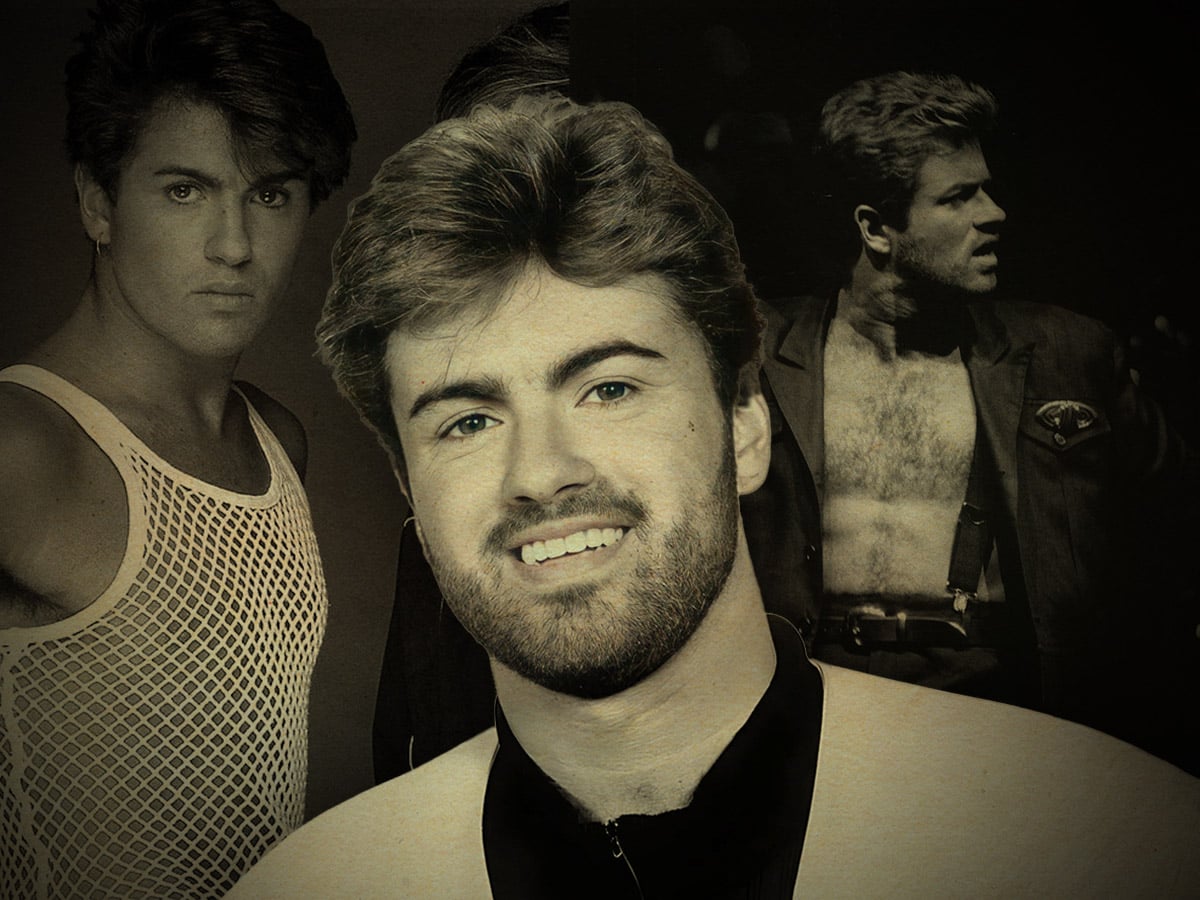
George Michael felt that he was accepted "without question" by the African-American public because, before being judged as a white pop idol from the United Kingdom, he was recognized as a singer, performer and composer with a true connection to soul music.
This recognition became clear in 1985, when his name appeared among the artists on the special "Motown Returns to the Apollo", held in New York. The event celebrated two historic symbols of black American music: the Apollo Theater in Harlem and the legacy of Motown.
George Michael's presence caused surprise. At the time, Wham! was still seen by many as a recent pop phenomenon, driven by hits such as "Wake Me Up Before You Go-Go" and "Last Christmas". For some critics, it seemed strange to place a young white British singer alongside names directly linked to the tradition of soul music and R&B.
But the invitation had an explanation. "Careless Whisper", George Michael's hit, showed a more sophisticated, romantic and soulful side of the artist. The song helped reveal that he wasn't just a pretty face on MTV, but a singer with real vocal sensitivity.
At the Apollo special, George Michael shared the stage with Smokey Robinson in "Careless Whisper" and also performed a special moment with Stevie Wonder, performing "Love's In Need of Love Today". For him, singing alongside Stevie was almost unbelievable.
The night was not technically perfect. The recording had to deal with errors, repetitions and production problems. The performance with Smokey Robinson was interrupted because Michael realized he was out of step with the band. Even so, the Apollo audience responded enthusiastically.
For George Michael, that reception was decisive. He later stated that it represented a kind of black acceptance of Wham!. Later, in 1988, he explained that one of the most remarkable things about his career in the United States was realizing that the black American public accepted him from the beginning as a singer, performer and composer.
According to him, this audience didn't let the stigma of shorts, screaming fans and the image of a teenage pop star get in the way of listening to the music. In other words, while some white audiences and critics still viewed George Michael with suspicion, many African-American listeners perceived the soul behind the voice.
Two years later, this connection would be reinforced when George Michael recorded "I Knew You Were Waiting" with Aretha Franklin. The partnership with the queen of soul confirmed that he had gained respect in a musical territory where authenticity has always spoken louder than image.