Why Anya Taylor-Joy Was Barred From Acting in Robert Eggers' 2019 Film 'The Lighthouse'
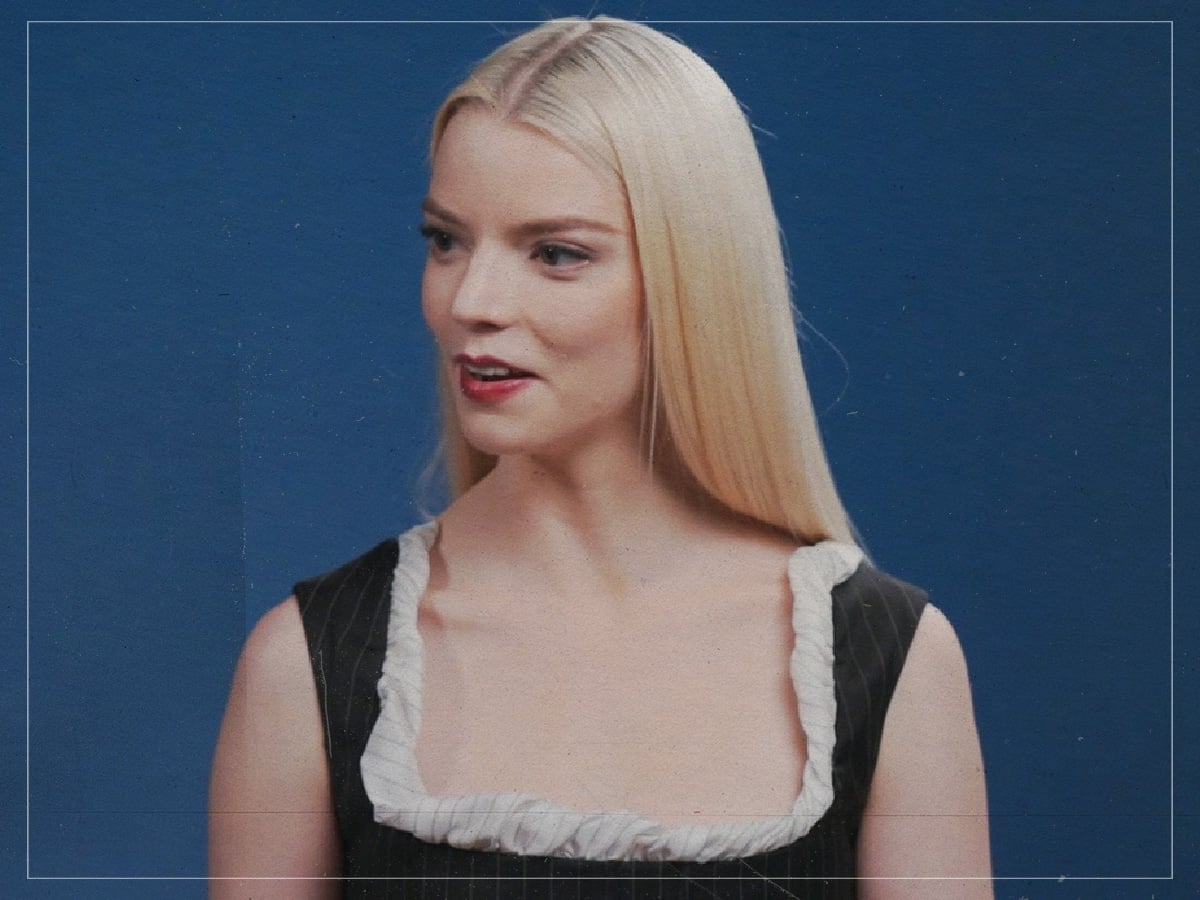
Finding a director who values and wants to work repeatedly with an actor is a rarity in film, and this artistic connection can transform careers and projects. For Anya Taylor-Joy, this special relationship happened in her first role, which not only launched her career, but also helped director Robert Eggers achieve landmark success with the film "The Witch" (2015). Taylor-Joy's performance as Thomasin, a young woman accused of witchcraft, was essential in elevating the work to an extraordinary level, thanks to her nuanced interpretation, which mixed naivety, fear and a gradual transformation into a supernatural figure.
The impact of this partnership was so significant that Eggers wanted to work with Anya again, casting her in the role of the sorceress Olga in the 2022 production, "The Northman". However, between these two films, Eggers directed "The Lighthouse" (2019), a project with a reduced cast and intense atmosphere, starring Robert Pattinson and Willem Dafoe as lighthouse keepers isolated during a storm. When Taylor-Joy learned of Eggers' intentions for this film, she immediately expressed her desire to participate, eager to resume collaboration with the director she so admired.
However, Eggers had to break the difficult news to the actress: there was no role for her in "The Lighthouse." The production had an extremely lean cast, and the only female character was a mermaid, whose presence was brief, but impactful and visually explicit. Taylor-Joy revealed in an interview with NME that, when informed of the absence of a role for her, she insisted on playing the mermaid, even offering to appear as a seagull in the background of the scenes, trying to find a way to participate in the film. Eggers, however, was adamant: "You really shouldn't be this particular mermaid, Anya."
This refusal, which could be interpreted as a veiled "ban", was not due to any distrust in the actress' talent, but rather to the specific needs of the film's narrative and aesthetics. "The Lighthouse" required a very particular composition of characters, and Taylor-Joy's inclusion didn't fit organically into the project. Despite this, the actress never shied away from challenging and provocative roles, which makes the situation even more curious for her fans.
This experience shows that, even in close and successful professional relationships, it is not always possible to realize all artistic desires. Taylor-Joy, who had already impressed with her performance in "The Witch", had to accept that "The Lighthouse" would not be the next chapter in this partnership with Eggers. Still, the collaboration between the two continued to bear fruit in other productions, reinforcing the importance of understanding the creative decisions that shape each film.
The story of Anya Taylor-Joy and "The Lighthouse" is a clear example of how cinema is a complex art, where talent and desire do not always guarantee presence in every project, especially when the director's vision and the script define strict limits for the cast. This refusal, far from being a setback for the actress, only signals the care and rigor with which Eggers conducts her works, always seeking harmony between narrative, cast and atmosphere.