Why an intense El Niño leaves tropical crops vulnerable
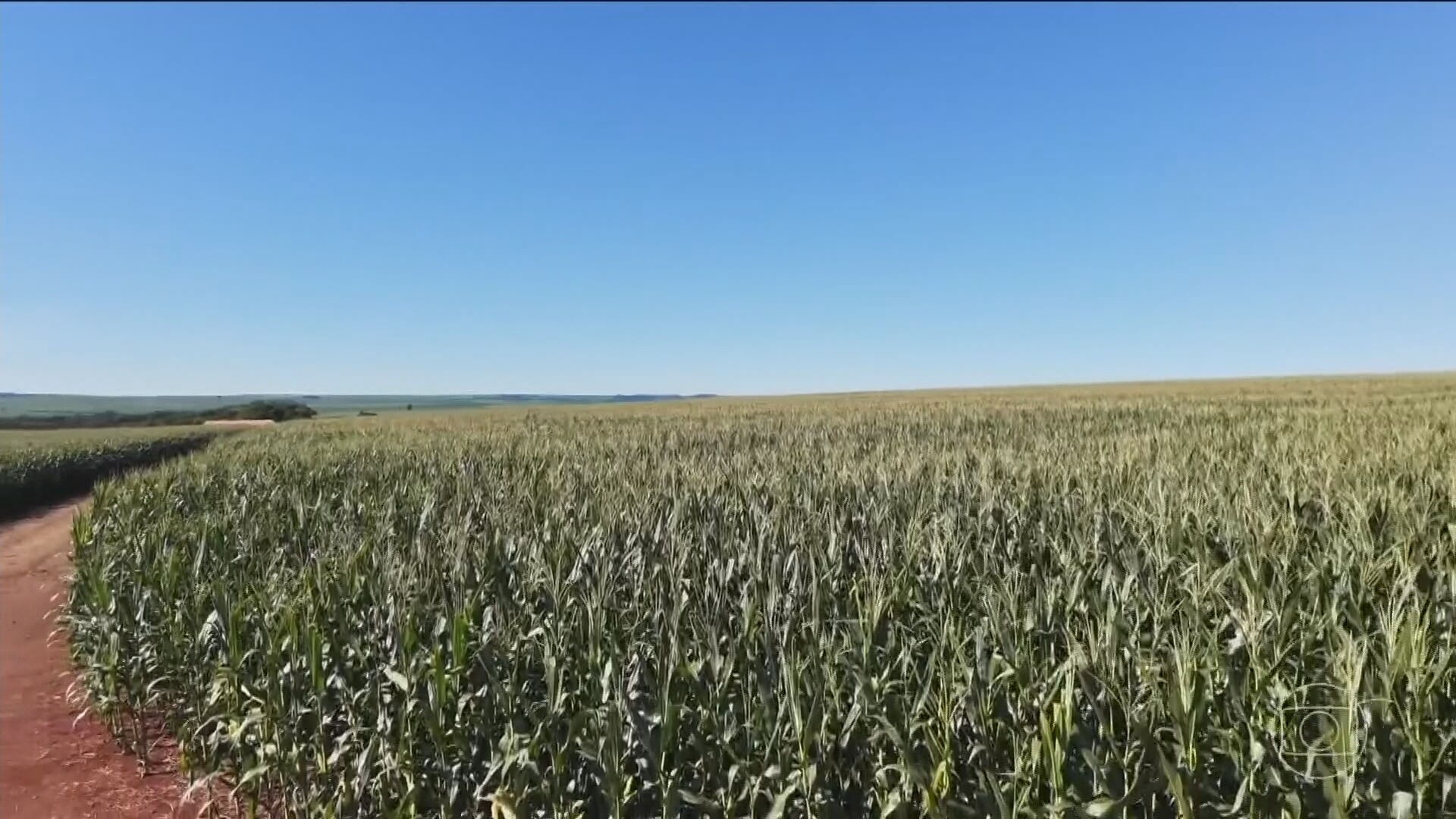
Forecasts for El Niño are changing production in the field
Forecasts for El Niño are changing production in the field
It is increasingly likely that a super El Niño will develop in the second half of the year, raising temperatures, changing the rainfall regime and bringing risks to crops around the world.
Understand in this report what El Niño is and why some crops in tropical regions are exposed.
What is El Niño?
El Niño is a periodic warming of the sea surface in the eastern Pacific, caused by the weakening of the trade winds, and which occurs naturally every two to seven years and tends to last between nine and 12 months.
This climate phenomenon generally causes higher temperatures around the world, droughts in regions such as South and Southeast Asia, Australia and Southern Africa, and intense rains in others areas, including southern South America and the United States.
Now on g1
The United States National Oceanic and Atmospheric Administration (NOAA) declared the arrival of El Niño last week. The agency also reported that the phenomenon is expected to intensify, with a 63% probability of reaching levels considered very strong, or a "super El Niño", by 2027.
The drought, heat and excessive rain caused by El Niño are a severe blow to farmers, who are already facing shocks this year in the prices of fertilizers and diesel, caused by the war between the United States and Israel against Iran.
The prices of agricultural commodities tend to rise consistently during previous episodes of El Niño.
El Niño 2026: What it is, why scientists are on alert and how it could affect your life
Down in cocoa
Every strong El Niño episode over the past 55 years has reduced cocoa production, according to investment firm WisdomTree.
During the last El Niño, between mid-2023 and mid-2024, Considered moderate to heavy, West Africa -- the main producer -- was initially hit by rain twice as heavy as normal, which left cocoa trees exposed to a fungal disease.
In 2024, the weather pattern reversed and West Africa was hit by intense heat and Harmattan winds, which were exceptionally dry and strong for the time, causing trees weakened by the disease to lose their flowers.
"Everyone thinks El Niño is only associated with droughts in West Africa. That's not necessarily true. Because of climate change... the result is sometimes too much early rain. Right now, that's my biggest concern," said Jim Roemer of the consultancy Best Weather. About half of the world's cocoa is grown in Ivory Coast and Ghana, the world's two largest producers. Ecuador, the third largest producer normally, faces excessive rainfall during El Niño episodes.
Cocoa prices almost tripled in 2024 after crop failure in West Africa. They reached record levels, surpassing US$12,000 per metric ton at the end of the year, making the chocolate ingredient more expensive than many industrial metals.
Coffee
El Niño is especially problematic for Robusta coffee, as it tends to bring higher temperatures and reduced rainfall in Vietnam and Indonesia - the world's first and third largest producers - from mid-year onwards.
Adverse weather conditions affect both countries - which together account for around 50% of world Robusta production - during the crop development phase.
The effects are felt from the fourth quarter, during the harvest.
"The drought in Vietnam and Indonesia could significantly reduce the productivity of Robusta coffee," said Citi analysts.
In the case of Arabica coffee, whose production comes almost half from Brazil, the impact of El Niño is more subtle.
Carlos Santana, commercial director of Eisa, a subsidiary of trading company Ecom, said that El Niño could initially be positive for the crop that Brazil currently harvests, since that higher temperatures could prevent frosts in winter.
In the long term, however, El Niño usually brings drought and heat to Brazil's coffee-growing regions in the fourth quarter, when the next harvest develops, which could harm production in 2027.
Sugar
In the case of sugar, one of the most traded agricultural commodities, El Niño usually brings excessive rain in the second half of the year, which can disrupt the harvest and reduce the quality of the crop in Brazil, the world's main producer.
In India, the second largest sugar producer, and Thailand, the second largest exporter, on the other hand, the phenomenon tends to reduce rainfall during the summer monsoon.
India expects the 2026 monsoon to bring the lowest volume of rain in 11 years, with rainfall during the harvest development period, from June to September, estimated at around 90% of the average.
Carlos de Mello, sugar director at the brokerage Hedgepoint, estimates that even a moderate El Niño could reduce India's production by around 1 million tons.
In the long term, the above-average rains that El Niño usually brings to Brazil's sugar regions could help next year's harvest.
Mello, from Hedgepoint, said that, in general, it is "difficult to imagine a bull market scenario with El Niño", due to the potential positive effects for the Brazilian sugar harvest 2027.
Brazil accounts for around half of world sugar exports.
Source: G1