What the international press said about Trump's new tariffs: 'Instrument to impose new tariffs on Brazil is a more lasting alternative after the Supreme Court's decision'
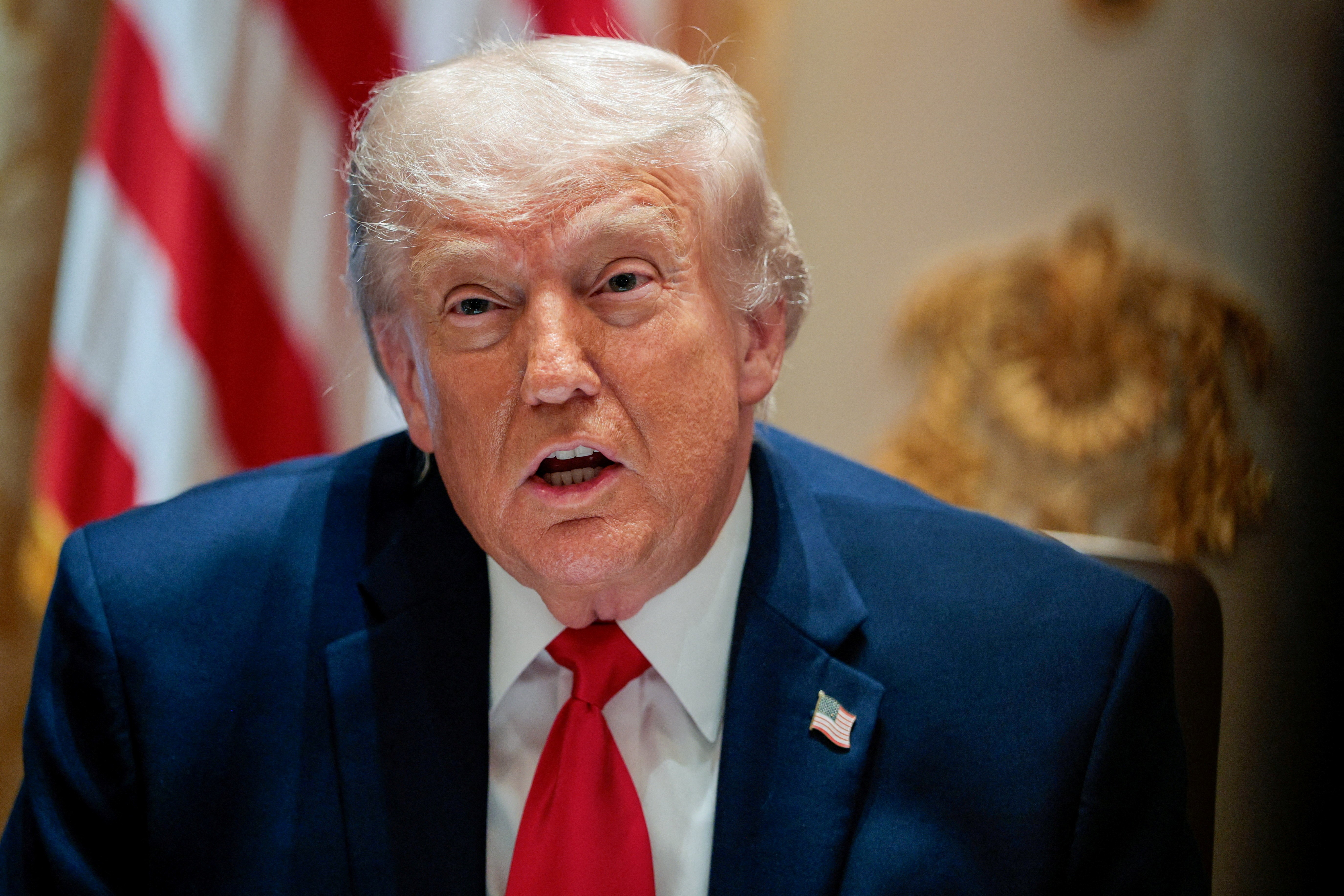
US President Donald Trump during a cabinet meeting at the White House May 27, 2026
REUTERS/Evan Vucci
The United States government's proposal to adopt retaliatory tariffs of 25% on Brazilian products after the conclusion of a major trade investigation against Brazil had repercussions in the international press.
The American government concluded that certain practices of the Brazilian government - which involve several areas, such as the Pix payment system, the sale of ethanol, the fight against corruption, respect for intellectual property and deforestation in the Amazon, among others - are "unreasonable" and "burden or restrict US trade".
The British newspaper The Guardian highlighted that the US is proposing tariffs against Brazil "despite the US trade surplus". The Guardian states that "China has been Brazil's biggest trading partner for around a decade."
"Documents released by the US trade representative show that last year, American exports to Brazil increased by almost 11%, reaching US$54.4 billion. Brazilian exports to the US fell 5.7%, to US$39.9 billion, meaning the US had a trade surplus of more than US$14 billion," the newspaper states British.
"The trade imbalance in the services sector is even more favorable to the USA, with service exports forecast for 2024 reaching US$ 29.6 billion, four times the value of Brazilian service exports to the USA."
Lula: The American government announced 25% tariffs based on a lie
The newspaper also highlighted the criticism of President Luiz Inácio Lula da Silva - both of the American Secretary of State, Marco Rubio, and Senator Flávio Bolsonaro (PL-RJ), who is a pre-candidate for the presidential election.
The Guardian highlighted that in February, the US Supreme Court ruled that Trump overstepped his authority by using a different law - the International Emergency Economic Powers Act (IEEPA) of 1977 - to impose sweeping tariffs on US trading partners, including Brazil.
But it claims that the legislation used now - Section 301 of the US Trade Act 1974 - withstands legal challenges, and "the government is likely to use this authority to impose other tariffs and recover some of the tax revenue lost when the Supreme Court rejected the IEEPA tariffs."
The New York Times also highlighted Trump's use of Section 301 as a new, more durable instrument to maintain tariffs against other countries. conduct specific investigations for each country and promote consultations and hearings before the new import taxes take effect", states the American newspaper.
The New York Times also highlighted that the tariffs proposed by the US "would exempt some products, including beef, coffee, rare earth metals, aircraft equipment and certain fruits and vegetables".
Qatar's Al Jazeera network highlighted that other countries, such as China and Vietnam, are also under investigation. And he said that "the changes [proposed by the USA] occur despite President Luiz Inácio Lula da Silva's visit to Washington last month, at a time when relations have deteriorated in recent months". 'traitors'".
"Although the markets reacted with relative indifference to the news, President Lula da Silva, in an electoral tone, accused Jair Bolsonaro's children of being behind the imposition of the tariff", said the Argentine newspaper.
"Still, Bolsonaro denied having requested the imposition of tariffs."
Clarín also states that "from a commercial point of view, analysts minimized the impact of tariffs, considering that many products are exempt."
Source: G1