What's behind the US blocking of Claude's AI
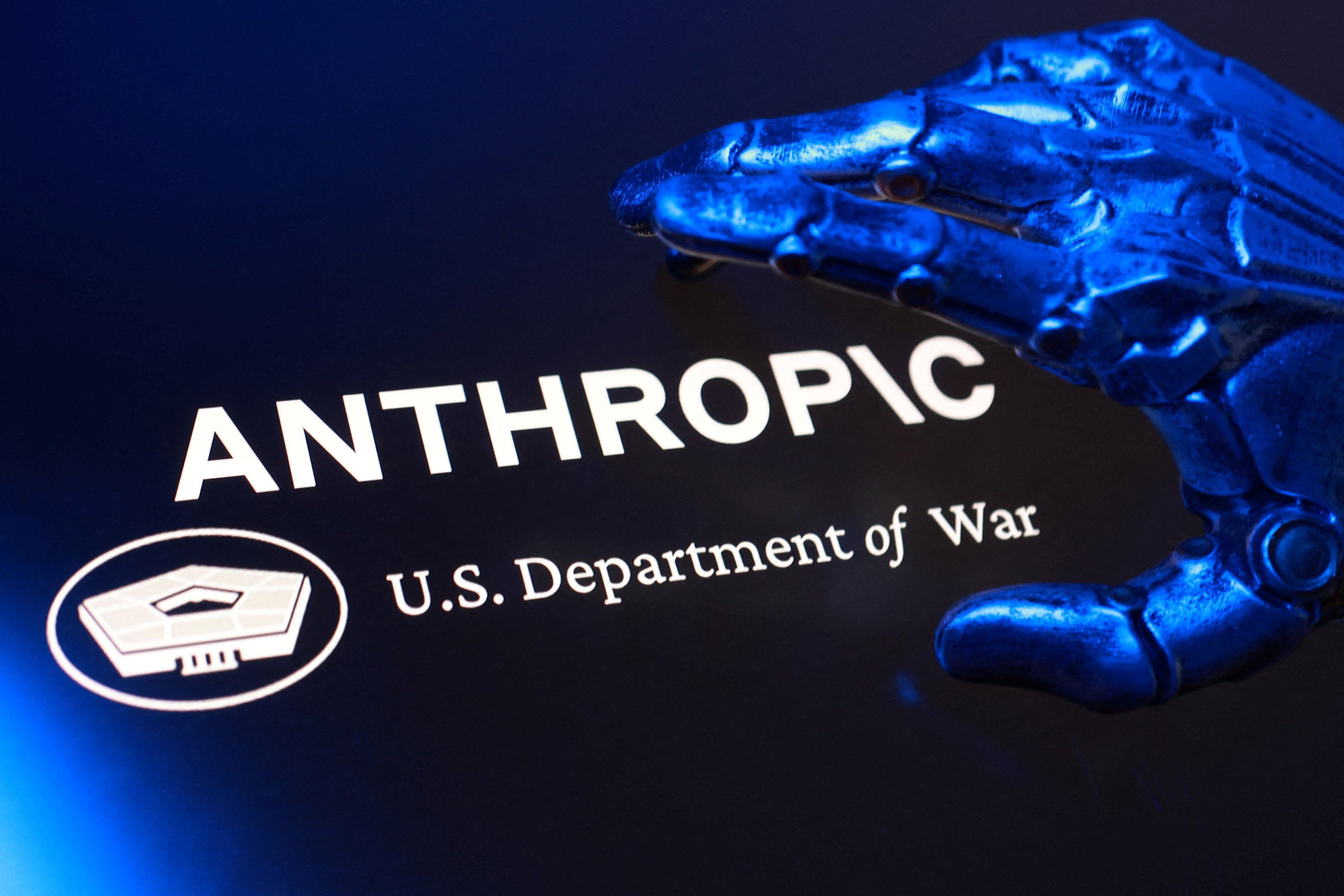
Anthropic and the US Department of War
Reuters/Dado Ruvic/Illustration
Anthropic announced on Friday (12) that it had restricted access to two of its advanced artificial intelligence (AI) models. The company, creator of the Claude family of language models, received an order from the United States government, which cites national security concerns.
In a statement, the company said it had received a directive to block the Claude Fable 5 models, released last Tuesday, and Claude Mythos 5 for all foreign citizens, "inside or outside the United States, including the company's own foreign employees."
Access is temporarily blocked for all customers to ensure compliance with the order.
The sudden blockade marks a significant escalation in the clash between Anthropic and the White House, under President Donald Trump. Negotiations failed earlier this year regarding the use of the company's technology by the US military and intelligence services.
The restriction could harm Anthropic's plans to carry out an initial public offering of shares, possibly in the second half of this year, with a valuation close to US$ 1 trillion. Concern is proliferating among investors about regulatory risks and the company's ability to maintain its technological advantage.
Read also:
Anthropic suspends AI models after US restricts foreign access
Anthropic or OpenIA: who will win trillion-dollar dispute?
Risk of sophisticated cyber attacks
The blocked versions are the most recent of the Claude model. Fable 5 is widely available to the public, while Mythos 5 is largely restricted to previously authorized organizations.
Fable 5 is a restricted version of Mythos 5, which Anthropic in turn kept out of the public's reach due to concerns that it possesses "unprecedented capabilities" to identify software vulnerabilities, some of which have remained unknown for decades, or code flaws that hackers could exploit.
This capability has so far been used by state authorities States and selected companies to fix security breaches. However, from the beginning there has been fear that this type of AI could become a dangerous cyber weapon in the wrong hands.
Experts say that Mythos models could significantly accelerate sophisticated attacks, especially in sectors such as banking, which rely on complex, interconnected and often decades-old technological systems.
Anthropic's own tests detected a small number of known flaws, classified as "minor vulnerabilities", according to Anthropic itself.
The company refuted, however, that the withdrawal of its products was justified, adding that, if applied broadly, the rule would "essentially prevent the release of new models by all leading AI developers."
Conflict on the Rise
The relationship between Anthropic and the US government deteriorated this year after the company refused to allow the use of its AI models for domestic surveillance and fully autonomous weapons systems.
Claude is the model The Pentagon's most widely used cutting-edge AI model and the only model of its kind currently operating in Department of Defense systems that handle classified information.
In response, the Pentagon added Anthropic to a list of companies considered a risk to supply chains, which is expected to go into effect later this year and could severely limit its federal contracts. national security before its public release.
Until then, U.S. export controls had focused primarily on AI chips and hardware, rather than restricting foreign access to the models themselves.
Pentagon talks about "national security"
Pentagon chief information officer Kirsten Davies said in an X Network post that the Department of Defense supports prioritizing national security. "Some things are simply more important than revenue cycles, clickbait and pre-IPO valuations. America first. Always," he posted.
Anthropic confidentially filed to go public in the United States last month, moving ahead of rival OpenAI in the race to access public markets.
Just days ago, Anthropic CEO Dario Amodei spoke out in favor of government blocking of potentially dangerous AI software. The company emphasizes, however, that this must occur based on transparent procedures, clear criteria and technical facts - which, according to it, it does not currently occur.
The New York Times called this week's order "unusually broad", highlighting that it could prevent Anthropic employees in allied countries, such as Canada or the United Kingdom, from using the models.
Several key members of Anthropic, including co-founder Chris Olah, researcher Andrej Karpathy and the philosopher Amanda Askell, were born outside the United States. It's not clear whether they are US citizens, nor whether they would be at risk of losing access to the AI models.
Source: G1