"We will not give in", says Iran negotiator after exchanges of attacks with US
Iran's main negotiator, Mohammad Bagher Ghalibaf, who also holds the position of president of Parliament, listed the main violations of the ceasefire agreement by the United States, in the early hours of Wednesday (8), after an exchange of attacks between the countries.
In a post on the social network
Iran's representative also mentions that non-compliance with the agreement by the US includes the "reestablishment of sanctions on oil, attacks on southern Iran and the continuation of Zionist aggression".
Major MOU Violations by the US:
Violating Iranian adjustments in the Strait
Persistent threats of further strikes
Reinstating oil sanctions
Attacks on southern Iran
Continued Zionist aggression on
The era of bullying and extortion is over. It leads nowhere. We don't fold.
- محمدباقر قالیباف | MB Ghalibaf (@mb_ghalibaf) July 8, 2026
"The era of intimidation and extortion is over. This is going nowhere. We will not give in," wrote Ghalibaf.
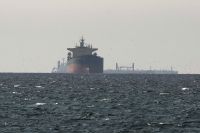
Iran's Revolutionary Guard said on Wednesday it had attacked American military installations in Bahrain and Kuwait, after Washington launched a new wave of bombings against the country in response to attacks on oil tankers in the Strait of Hormuz.
Earlier, on Tuesday (7), the US launched new military strikes and revoked the license that allowed Iran to sell oil, in response to attacks on three tankers in the strait.
CENTCOM (US Central Command) reported that more than 60 small vessels of the Islamic Revolutionary Guard Corps were among the targets hit, in an attempt to impose a high cost on Iran for attacks on shipping, considered a violation of the ceasefire.
"The unjustified aggression by Iranian forces is a clear and dangerous violation of the ceasefire and compromises freedom of navigation," CENTCOM said in a statement.
Central Headquarters Khatam al-Anbiya, Iran's top joint military command, condemned the American strikes as a "blatant act of aggression", threatened a "devastating response" and warned that Tehran will not allow US interference in the administration of the strait.
Iranian media reported explosions on the country's main oil-exporting island Kharg, the island of Qeshm and the port cities of Sirik and Bandar Abbas in southern Iran.
As CNN showed, at the beginning of the week, Ghalibaf stated that the implementation of the ceasefire agreement signed with the USA is "difficult, but possible".
The negotiator declared in a conversation with the head of the political office of the Palestinian group Hamas, Muhammad Ismail Darwish who was in Tehran for the funeral of Supreme Leader Ali Khamenei, that Iran does not "have peace with the US and will not recognize Israel", reaffirming its support for the "resistance front", a term used by Iran to describe the regional armed groups that the Islamic Republic supports.
"When necessary, this support comes in the form of missiles; when it is necessary to exert political pressure, this pressure is applied through negotiations," the negotiator said, according to Iranian state broadcaster IRIB.
Iran's Foreign Minister, Abbas Araghchi, had warned on Tuesday that negotiations for a definitive agreement between Tehran and Washington would remain frozen if the US continued to threaten new attacks. The chancellor's speech came after American President Donald Trump threatened to "finish the job" if a deal was not reached.
*with information from Reuters
Why is the Strait of Hormuz so important to the world economy?
Source: CNN