War in the Middle East: Government extends fuel measures
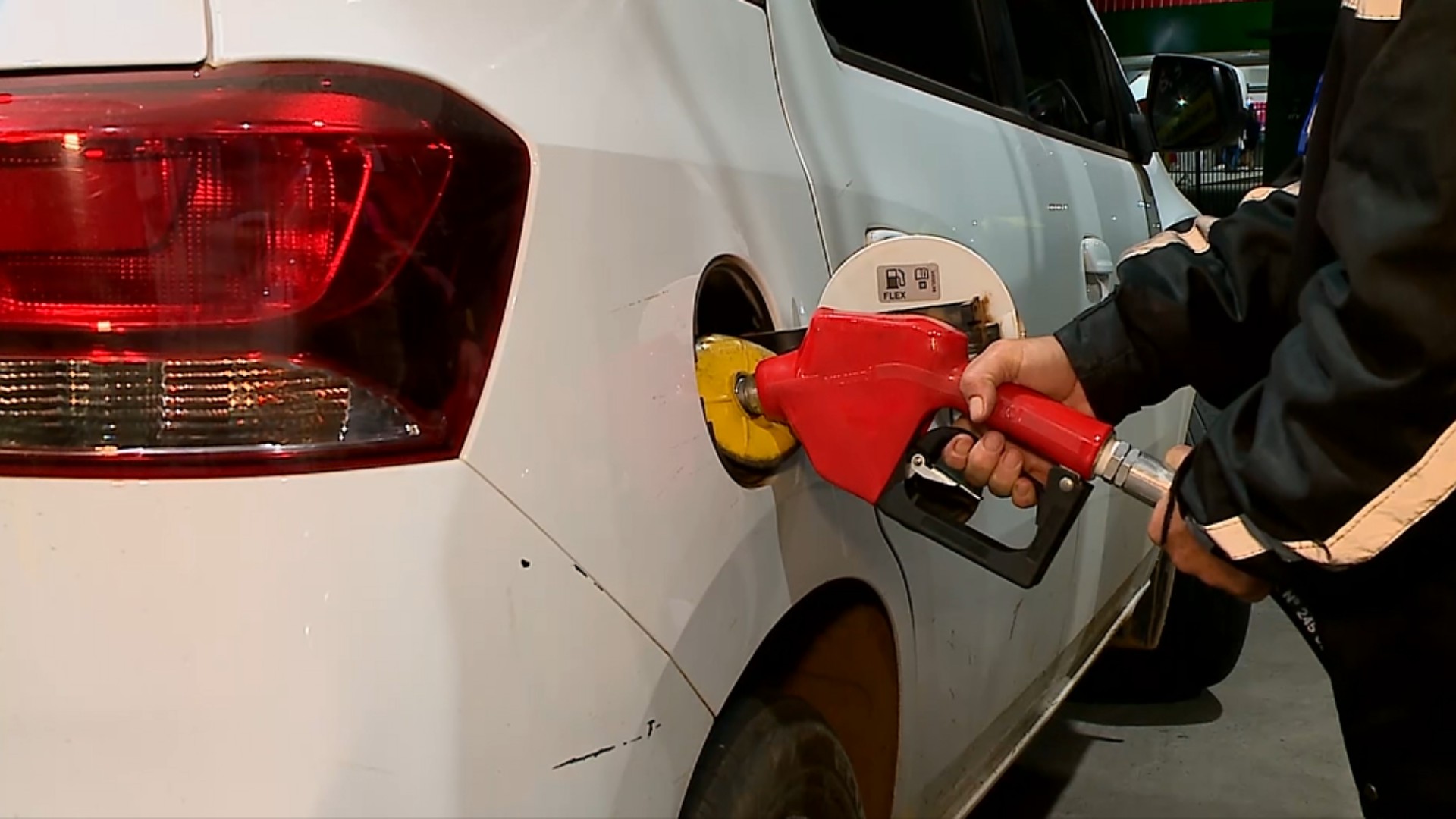
Rise in fuel prices impacts the pockets of people from Rio Grande do Sul
Reproduction/RBS TV
To curb the rise in fuel prices due to the war in the Middle East, the federal government decided to extend a series of measures. One of them is a subsidy of R$ 1.12 per liter of diesel oil to national refineries and fuel importers, which comes into force this Monday (01).
Funded with federal resources, the measure will replace two subsidies that end this Sunday (31): the one that granted a subsidy of R$0.32 per liter of diesel since March 12. And another, created in April, whose aid was R$ 0.80 per liter for diesel produced in the country and R$ 1.20 per liter for imported fuel, half of which was financed by the federal government and half by the states and the Federal District.
Also from Monday (01), a new subsidy of R$ 0.35 per liter for diesel A for road use will become valid. In practice, the benefit replaces the PIS/Cofins exemption on fuel, which has the same value and expires this Sunday.
Federal Government tries to control fuel prices
According to the government, the measure works as a type of "cashback" to compensate for the resumption of federal taxes on diesel. With the end of the reduced rate, producers and importers will once again collect taxes, but will receive a subsidy equivalent to the value of the taxation.
The strategy was adopted after the National Congress did not move forward in analyzing a complementary bill sent by the Executive in April. The proposal authorized the use of extraordinary revenues generated by the rise in oil prices to compensate for the reduction in taxes on fuels.
In view of the delay in processing the matter, the government issued, on May 13, a provisional measure authorizing the granting of economic subsidies to fuel producers and importers in an amount equivalent to the tax benefits that would no longer be in force. The initiative started with gasoline and is now expanded to diesel.
LPG
The government also extended until July 31st the subsidy intended for producers and importers of liquefied petroleum gas (LPG), cooking gas. Federal resources for the measure were increased from R$330 million to R$660 million.
According to the Executive, the amount will allow granting a benefit equivalent to R$11 per 13-kilo cylinder sold during the period.
Biodiesel and aviation kerosene
The exemption from federal taxes on aviation kerosene and biodiesel was also extended until July 31st.
Source: G1