War in Iran: airlines raise fares and cancel flights after kerosene prices soar
International Energy Agency announces plan to release oil reserves
European airlines began raising prices and cutting flights after the surge in aviation kerosene, pressured by the war in the Middle East. Companies in Asia follow the same path and have already announced fare adjustments.
The Scandinavian SAS canceled hundreds of flights this week and announced a temporary increase in fares to compensate for the rise in fuel prices. The majority of suspensions affect domestic routes in Norway, with a smaller impact on Sweden and Denmark.
"Given the current situation in the Middle East, including the sharp and sudden increase in global fuel prices, we are taking measures to strengthen our resilience," SAS said in a statement to AFP.
Other European giants, such as Air France-KLM and Lufthansa, also face cost pressure. Part of the impact is cushioned by hedging contracts - advance purchase of fuel at fixed prices -, but the effect of the increase is already beginning to appear in fares.
The movement could directly impact Brazilians, who frequently use European companies on international flights.
In Asia-Pacific, companies are heading in the same direction. Australian Qantas announced adjustments to tickets, with an average increase of around 5% on international flights, according to the local press.
Thai Airways is also studying increases of between 10% and 15%, depending on price developments.
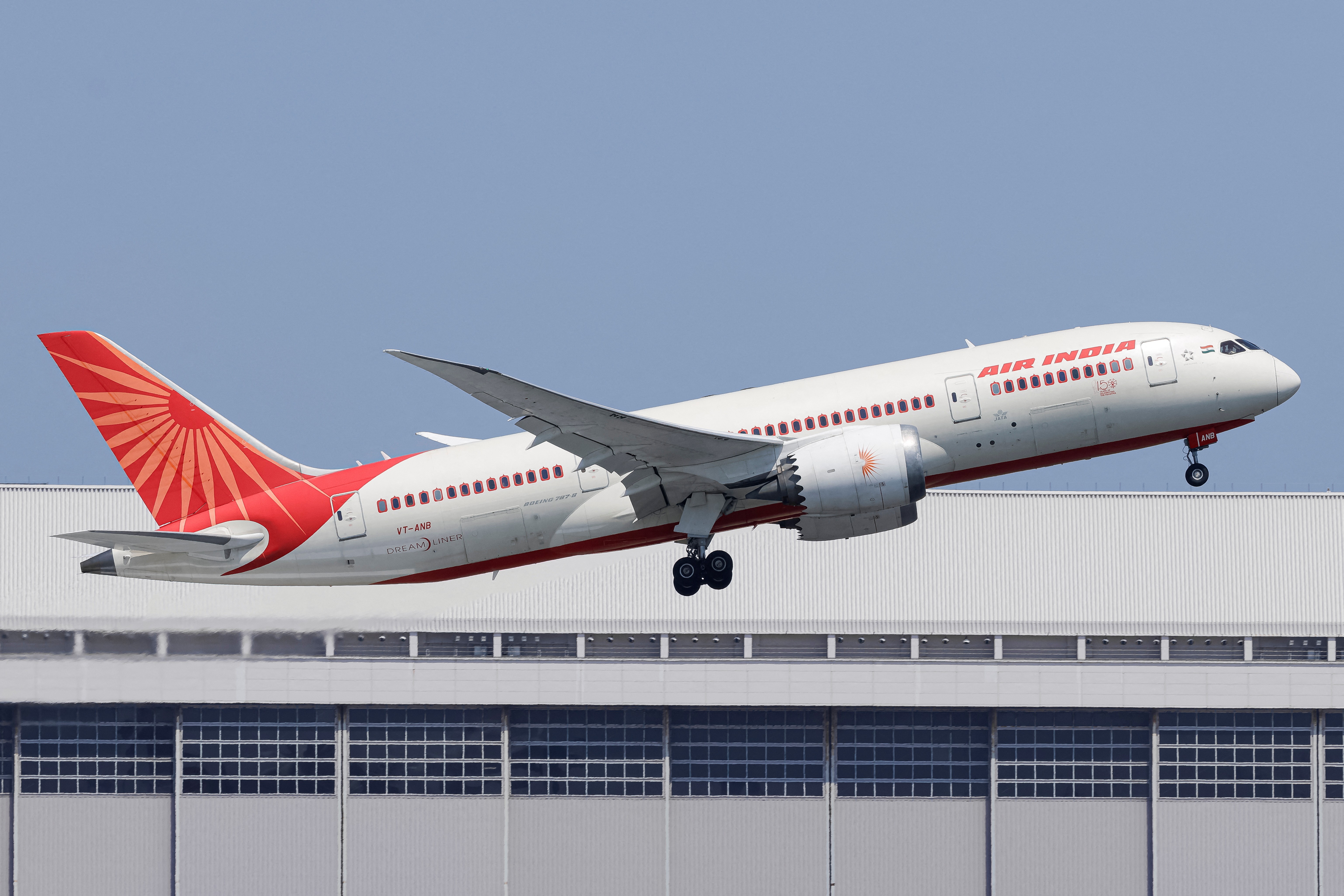
Air India has announced that it will increase the collection of fuel surcharges on domestic and international flights. The fee will reach US$ 125 on routes to Europe and US$ 200 to North America.
In addition to the higher prices, companies also reduced operations in the Middle East for security reasons.
READ ALSO
Trump wants to take Cuba: understand the American pressure, the blackouts and the signs that the regime may give in
Iran's population takes to the streets to protest against the war after the government's call; VIDEO
Director of US Counterterrorism Center resigns: 'I cannot support the ongoing war in Iran'
Oil
An Air India Boeing 787 Dreamliner with registration VT-ANB flies over Tokyo, Japan, on April 27, 2025
Koki Takagi via REUTERS
The rise in kerosene prices explains the pressure. Fuel, which represents around 40% of airline costs, has doubled in value since the beginning of the year.
On Monday, the global average price reached US$173.91 per barrel, according to the Platts index - more than double the figure recorded in January.
The increase is more intense than that of crude oil because kerosene depends on refining and has lower priority than gasoline and diesel, according to the International Air Transport Association (IATA).
A barrel of Brent, the global oil reference, hovers around US$100 after the escalation of the conflict. The closure of the Strait of Hormuz, through which around 20% of world production passes, worsened the supply crisis.
The companies claim that the readjustments are necessary to avoid losses. Air India, for example, declared that without the application of surcharges, some flights would not cover operational costs and would have to be canceled.
*With RFI and AFP.
VIDEOS: most watched on g1
Source: G1