VIDEO: Bear captured after multi-day hunt through residential area in Japan
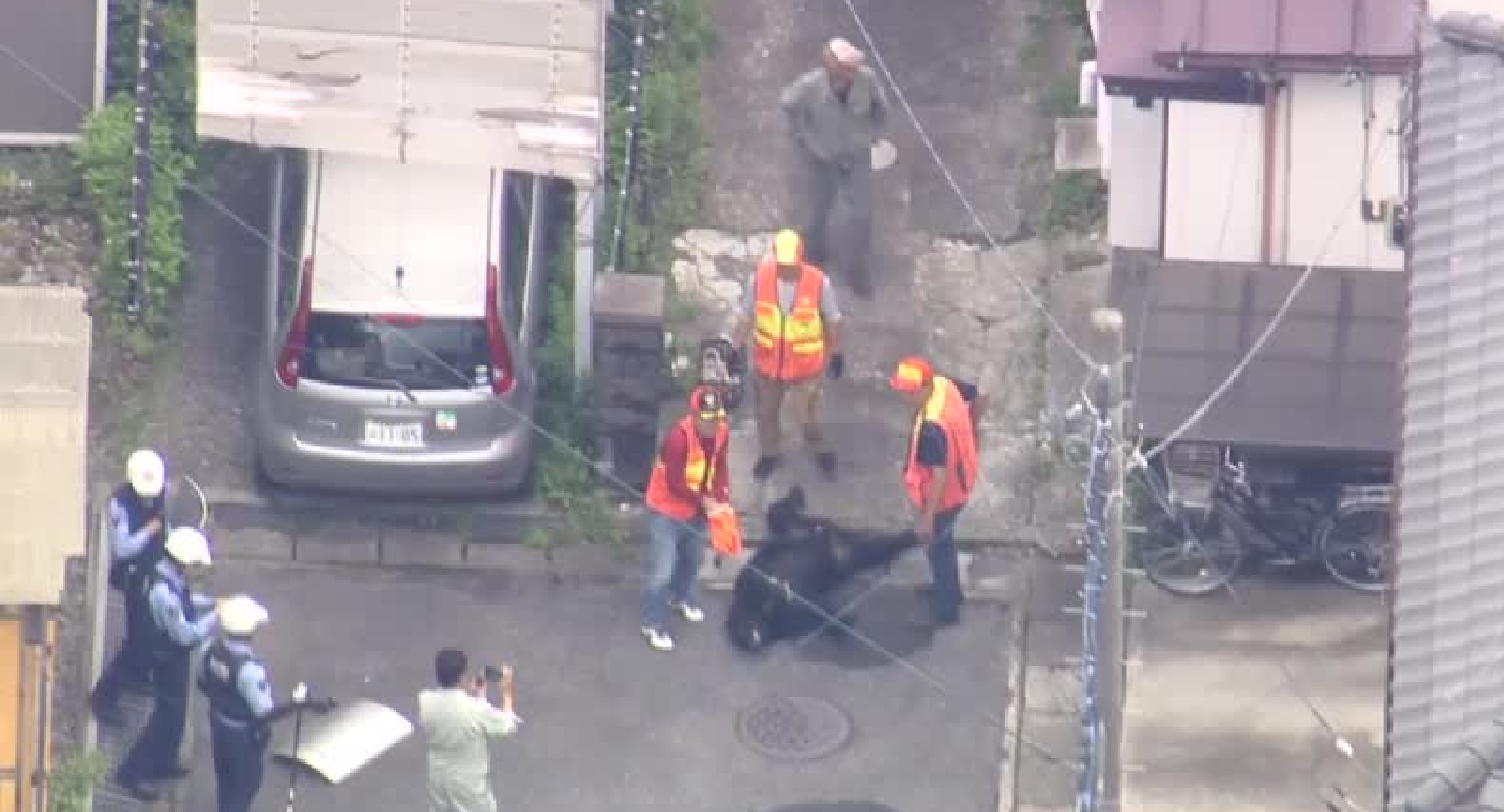
Bear is captured after several days of hunting through a residential area in Japan
The bear that was terrorizing the city of Utsunomiya, in Japan, was captured this Tuesday (9), after 3 days of intense searches.
Favorite g1 on Google and follow the main news of the day
✅ Follow g1's international news channel on WhatsApp
Aerial images taken by local TV recorded the moment the hunters managed to surround the animal and hit it with tranquilizer darts. After the sedation took effect, he was placed in a cage and taken away in the back of a truck.
Authorities have not yet decided what the bear's fate will be, according to a local government official.
Bear captured after being hit by tranquilizer data
NIPPON TV / JAPAN via REUTERS
The capture location was the garden of a house, in a large residential area. The first time the bear was sighted was on Saturday (6).
With around 500,000 inhabitants, Utsunomiya, in Tochigi prefecture, is part of the Greater Tokyo metropolitan region, around 100 km north of the capital.
Bear makes Japanese city suspend classes in 94 schools
Because of the risk of attack, the local government advised residents to remain in their homes and suspended classes in all 94 primary and secondary schools on Monday (8).
Last week, a bear injured at least four people in the city of Fukushima. Security camera footage from one of the incidents shows the animal chasing a man and knocking him to the ground.
Bear attacks steelworks worker in Japan
FUKUSHIMA STEEL WORKS via AP
Asian black bears are considered a vulnerable species, but their numbers are estimated to have tripled in Japan since 2012, driven by reduced hunting.
Attacks, including in urban areas, have increased in the country, prompting the government to create a task force this year.
Thirteen people were killed by bears in Japan last year, and there has been an increase in sightings as the animals emerge hungry from hibernation.
Experts say climate change has reduced the harvest of the animals' natural foods, such as acorns and beech nuts, while the depopulation of rural areas and more abandoned farmland has encouraged them to forage for food near human settlements.
Source: G1