Vale do Lítio completes three years with development and bottlenecks in MG
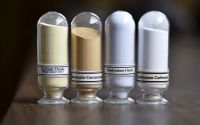
Launched in 2023, the Vale do Lítio project is the result of the articulation of several bodies in the state of Minas Gerais and municipalities, to develop the cities in the North and Northeast of the state around the lithium production chain. Public policies focused on attracting companies and investments, qualifying labor, encouraging technology and providing infrastructure are the pillars of the project.
The Lithium Valley is made up of 17 municipalities that are home to the largest lithium reserves in the country: Araçuaí, Salinas, Itinga, Divisa Alegre, Águas Vermelhas, Cachoeira de Pajeú, Coronel Murta, Francisco Badaró, Fruta de Leite, Itaobim, Jenipapo de Minas, Novorizonte, Pedra Azul, Ponto dos Volantes, Rubelita, Taiobeiras, Virgem da Lapa.
Among them, Araçuaí, with just over 34 thousand inhabitants, is one of the main cities in the Jequitinhonha Valley, more than 500 kilometers away from the capital of Minas Gerais, Belo Horizonte. Historically marked by low rates of social development, poverty and drought, the region is considered the epicenter of lithium extraction in Brazil.
CBL (Companhia Brasileira de Lítio) has been operating in the region for 34 years. The mineral is extracted from Mina da Cachoeira, in underground galleries approximately 300 meters deep and stretching for almost 20 kilometers in length. Lithium extraction at the site has the potential to continue for another 40 years.
According to the State Government, the region has always had the potential for development around the mineral, but the Lithium Valley project actually emerged after the increase in international demand and changes in Brazilian legislation that made lithium exports more flexible. In May 2023, the Minas Gerais government launched the project on Nasdaq, the largest stock exchange in the world, in New York, in the United States, allowing the economic advancement of municipalities in the region on several fronts.
"The Jequitinhonha Valley is a region of Minas Gerais with economic indicators a little worse than the state average, so we saw an opportunity to have integrated action from the Government of Minas to bring more opportunities to the region's population. So we have training courses, labor courses, trails of the future. We started work to identify infrastructure needs and looking to bring opportunities to add value to the lithium production chain especially for the region, so we have more than R$13 million being invested in projects research.", declared Frederico Amaral e Silva, Assistant Secretary for Economic Development of Minas Gerais.
One of the multinationals that chose the Lithium Valley to operate was the Canadian company Sigma Lithium, which installed the exploration plant in 2023 and is today one of the main suppliers of pre-chemical materials essential for the energy transition. But on the other hand, several social projects are implemented for the development of the region and the population of the Valley.
"Within our environmental licensing process there are some conditions that include some needs for companies to carry out these social projects so that people in the region actually have these opportunities", added Frederico.
Also according to the state government, the GDP (Gross Domestic Product) of the Jequitinhonha Valley reached R$12.56 billion in 2023, according to the latest data released by IBGE. Among the cities with mining activities linked to lithium, Araçuaí and Itinga, GDP doubled after the launch of the project, with an increase of 108.1% and 91.3% between 2021 and 2023, respectively
In the same period, Araçuaí's GDP per capita grew 122.7% and Itinga 109.5%. Furthermore, in absolute numbers, Araçuaí had the highest GDP per capita in the region (R$31,500), surpassing even municipalities like Téofilo Otoni, which has a population four times larger.
"Minas Gerais has converted the potential of lithium into direct results for the population of Jequitinhonha, with more jobs, income and opportunities. We also observed a diversification in the economy, since, based on the investments attracted, other sectors, such as services and commerce, also become windows of opportunities for entrepreneurs in the region", says the Secretary of State for Economic Development, Mila Corrêa da Costa.
Based on the Vale do Lítio project, the Government of Minas Gerais, through Fapemig (Foundation for Research Support of the State of Minas Gerais), has already allocated more than R$13.2 million in projects linked to the critical mineral. Much of the research is carried out by UFVJM (Federal University of Vales do Jequitinhonha and Mucuri) in the region itself.
Since the implementation of the Lithium Valley, in 2023, R$6.9 billion in private investments have been attracted, with around 6 thousand jobs expected to be created. Among the recent contributions is the investment of R$ 220 million by the Indian company Altman in CBL (Companhia Brasileira de Lítio) to expand the operations of the company's refinery plant located in Divisa Alegre, in the North of Minas.
According to data released by the State Department of Economic Development, 9,410 new companies were opened between January 2023 and March 2026 in the 17 priority municipalities of the Lithium Valley. In 2024, Minas Gerais broke a record in metal production, 944 thousand tons of lithium were produced, an amount almost four times greater than that recorded in 2023. But despite the growth, the Lithium Valley still faces challenges and bottlenecks.
"We have been working to improve the road network in the surrounding region to transport production, but also the great challenges that may be not only Minas Gerais but national, of adding more value to this production chain, aiming, perhaps, to have the production of batteries here in the state of Minas Gerais. So we have financing challenges for companies, some issues of technological development, mining stages, but especially for adding value and verticalization in the production chain, aiming to perhaps produce batteries here in Brazil." concluded Frederico.
Critical minerals could increase the country's GDP by R$243 billion by 2050
Source: CNN