US and Iran agreement: what could go wrong and the questions still open, according to experts
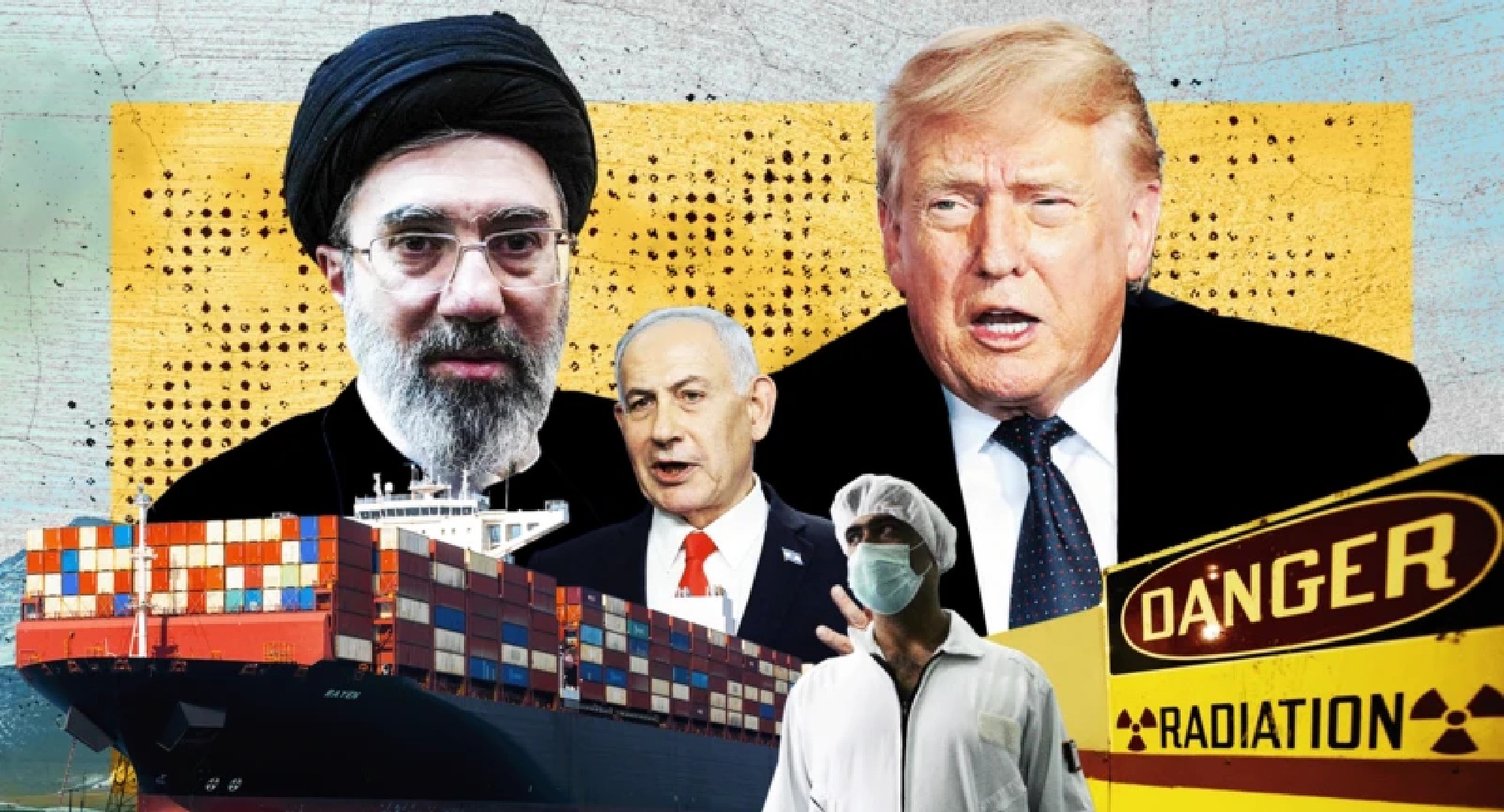
The deal has been signed, but attention is already turning to the main points of tension
Getty Images via BBC
After weeks of negotiations, the United States and Iran have reached a preliminary agreement - but attention is now turning to the enormous challenges of ending the war.
On Wednesday, senior US officials read a 14-paragraph memorandum of understanding to journalists, including the BBC.
The agreement is expected to be formally signed in Switzerland at Friday (19), paving the way for a "definitive agreement" to be reached within a "maximum of 60 days extendable by mutual consent."
The text establishes commitments to begin lifting the US naval blockade, restore navigation through the Strait of Hormuz and negotiate the suspension of "all types of sanctions" against Iran. The document also outlines plans for a fund of at least US$300 billion for the reconstruction and economic development of Iran, in addition to a renewed commitment of Tehran not to develop a nuclear weapon.
US President Donald Trump warned that the preliminary agreement "is not final" and stated that the US could "drop bombs again" if it failed.
Iran's parliament speaker and main negotiator, Mohammad Bagher Ghalibaf, told state media that his distrust of the US remains, and that Iran has its "finger on the trigger".
Trump signs initial agreement with Iran in Versailles
Check out the details below three main threats to peace talks, according to experts.
1) Israel's offensive in Lebanon
Both sides declared the "immediate and permanent cessation of military operations on all fronts, including in Lebanon", said Pakistani Prime Minister Shehbaz Sharif, who served as one of the main mediators, during the announcement of the initial agreement.
The agreement released on Wednesday also explicitly includes Lebanon, guaranteeing its "territorial integrity and sovereignty".
No However, Israel continued attacking Lebanon - even after Trump said that Israeli Prime Minister Benjamin Netanyahu should be "more responsible towards Lebanon" at the G7 summit in France.
On Wednesday, Israeli planes struck the area of Nabatieh al-Fawqa and the outskirts of Kfar Tebnit, Lebanese state agency National News Agency (NNA) reported.
An estimated 50,000 homes were damaged or destroyed in Lebanon during the war
REUTERS
Furthermore, US officials say that although Lebanon is covered by the ceasefire, the withdrawal of Israeli forces from Lebanese territory is not a condition of the agreement. Israel will maintain the right to self-defense, according to the US.
But Iran has stated that ending the war in Lebanon is an "inseparable part of the agreement to end the war".
Hezbollah, a Lebanese militant group backed by Iran, echoes this position. Iran has assured its ally that it will demand the complete withdrawal of Israeli troops from Lebanon in the next phase of negotiations, Hezbollah's media relations office told Reuters.
Israel has also clearly signaled that it does not consider itself bound by Iran's interpretation of the deal. Defense Minister Israel Katz said Israeli forces will remain in safe zones in Lebanon "indefinitely" and warned they will "strike with full force" if Iran attacks Israel over Lebanon.
Tel Aviv has been the "main saboteur" of peace efforts, says H.A.
Hellyer, a political scientist at the Royal United Services Institute, a UK think tank.
"Israeli's aggressive military posture, whether directed at Iran or driven through continued devastation in Lebanon, represents the single greatest threat to diplomatic progress," he says.
The process could collapse before "substantial negotiations on the nuclear issue even begin" if Tehran is drawn into direct confrontation, according to Hellyer.
Lebanese President Joseph Aoun welcomed the preliminary agreement, saying he hopes it will translate into "practical measures that put a definitive end to the cycle of violence".
For Lebanon itself, the consequences of the war have been devastating. More than 3,700 people died, around a million were displaced and large parts of the south suffered widespread destruction.
2) Iran's nuclear program
Plate for Natanz, home to Iranian nuclear facility
Getty Images via BBC
Another sticking point is Iran's enriched uranium, although Trump has said there is no rush to confiscate it.
According to the International Atomic Energy Agency (IAEA), Iran had accumulated around 400 kg of uranium enriched to 60% until last year. To make a nuclear weapon, the level of enrichment required is about 90%.
Tehran has consistently stated that its nuclear program is peaceful and reiterated in the agreement that it will not seek to develop nuclear weapons.
However, key issues - including the treatment of existing enriched material - were left to a final agreement yet to be negotiated.
Both sides agreed in principle to decide how to deal with stored enriched material. At a minimum, the uranium will be "blended" - that is, reduced - at the site under IAEA supervision. Under the 2015 nuclear deal negotiated by President Barack Obama, Tehran limited enrichment to 3.67%. Following the US withdrawal from the deal in 2018 - during Trump's first term - Iran significantly expanded its nuclear program.
The president is likely to "restart military operations" if he considers that Iran is once again enriching uranium to weapons-grade levels, Darin Selnick, former deputy chief of staff to US Defense Secretary Pete Hegseth, told the BBC.
For now, the two sides are expected to maintain the "status quo" during the negotiation period. 60 days: Iran will not expand its nuclear activities, while the US will refrain from imposing new sanctions or increasing its military presence in the region.
3) Strait of Hormuz
The Strait of Hormuz
BBC
The agreement also aims to reopen the Strait of Hormuz, which has been paralyzed since February. Before the war, about 20% of global oil and gas supplies passed through this important sea route.
The text states that the route will reopen after the agreement is signed on Friday, reaching full operations within 30 days, as technical and security obstacles are eliminated, including the removal of mines carried out by Iran.
The agreement states that the strait will remain toll-free for an initial period of 60 days, "from the Persian Gulf to the Sea of Oman and vice versa." And it adds that Iran will hold negotiations with Oman and other Gulf States on the future administration of the route and maritime services, in accordance with international law.
This would open the possibility for the implementation of fees in the future.
Tehran has already indicated that it wants a greater role in managing the strait. Iranian Foreign Ministry spokesperson Esmaeil Baghaei says the country will charge vessels a service fee for passage.
However, it is unclear what these fees would cover.
Passage tolls are not permitted under international law, although charges for specific services are acceptable.
Still, the American side expressed confidence that the strait will remain toll-free after the negotiations.
A U.S. official said Iran may try to insist on its position, but the Gulf States will not accept any arrangement that restricts free access.
Trump said Iran will act with "common sense" and will not impose taxes, as the measure could increase the risk of military escalation. The US also believes the Gulf States would "never" accept a future charging system.
Practical questions also remain.
Mining clearance could take "weeks to months", retired US Navy Rear Admiral Mark Montgomery told the BBC.
Shipping companies will likely tread cautiously until they are convinced the ceasefire will hold.
"It would take an extremely brave captain to cross the Strait of Hormuz given the current scenario," he told BBC Verify Martin Kelly of crisis management firm EOS Risk Group.
Hellyer warns, however, that the agreement to end the war remains only "a memorandum of understanding - a framework for negotiation, not a resolution."
"The difficult work has yet to begin," he says.
We used artificial intelligence to translate this report, originally written in English. The text was reviewed by a BBC journalist before publication. Find out more here about how the BBC is using artificial intelligence (link to English text).
Source: G1