Understand the overturning of vetoes on transfers to municipalities
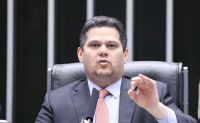
Congress overturned this Thursday (21) the presidential veto that dealt with federal transfers to municipalities.
President Luiz Inácio Lula da Silva's (PT) vetoes on four points of the LDO (Budget Guidelines Law) were questioned by the Legislature and come into effect within the budget.
The first of these is the section that allowed the transfer of resources to municipalities regardless of whether they are in compliance or not. Transfers such as amendments, the signing of agreements and the donation of goods, materials and inputs to municipalities with up to 65 thousand inhabitants were authorized.
Planalto was against the transfer of resources to defaulting municipalities. In justifying the veto, the Executive states that the waiver of compliance is unconstitutional because it violates the rule that prohibits the Public Power from benefiting those who owe Social Security.
The government also argued that all possible exceptions for default for education, health, social assistance, individual and bench parliamentary amendments are already covered in other rules.
With the overturn of this veto, transfers to municipalities that are in default are authorized. The government used Cauc (Tax Requirements Information System) to check municipalities that had debts, especially social security.
Now, even if a city of up to 65 thousand inhabitants has pending issues, it will be able to sign agreements and receive the transfer of resources.
The government released the basis for deliberating the vetoes. As a result, the vote was largely in favor of the overthrow. The majority of PT deputies voted against the veto and the score in the Chamber was 434 votes to 19 for overturning.
Transfers in elections
Another veto analyzed prohibited the transfer of goods by the government to municipalities during the electoral period. Electoral law already limits this type of transfer.
The approved LDO allowed the possibility of these assets being transferred even before the elections, as long as compensation is presented by the receiving entity. For example, the government can donate land, as long as the city hall builds a school on that space.
The government wanted to veto this section because the LDO should deal with budget goals and rules. Furthermore, Planalto argues that this could generate an unequal dispute between candidates in city halls and state governments.
Even though it released the base, the government contested this veto and the vote was tighter. In the Chamber, the score was 281 votes for the overturn to 174, while in the Senate it was 48 to 20 against the veto.
Works on roads and waterways
Another rejected veto authorizes the government to direct budget resources to works on state and municipal roads, as long as they serve productive flow or the integration of transport modes.
Planalto states that these measures also contradict "budgetary principles". With the veto overturned, Union and amendment resources can be used for the construction and maintenance of roads and municipalities if they are used for production and drainage.
In the Lower House, there were 427 deputies in favor of overturning the veto to 29, while in the Upper House the score was 68 to 1 against the veto.
In the same vein, parliamentarians also overturned a veto related to the waterway network to enable interventions in Brazilian waterways, even in stretches that are not directly under federal management. There were 426 votes to overturn this veto in the Chamber of 31. In the Senate, the score was 68 to 1 for the overturn.
Lula should not help BRB and refuses dialogue with Celina Leão | BEHIND THE SCENES CNN
Source: CNN