Trump signs order giving government early access to artificial intelligence models
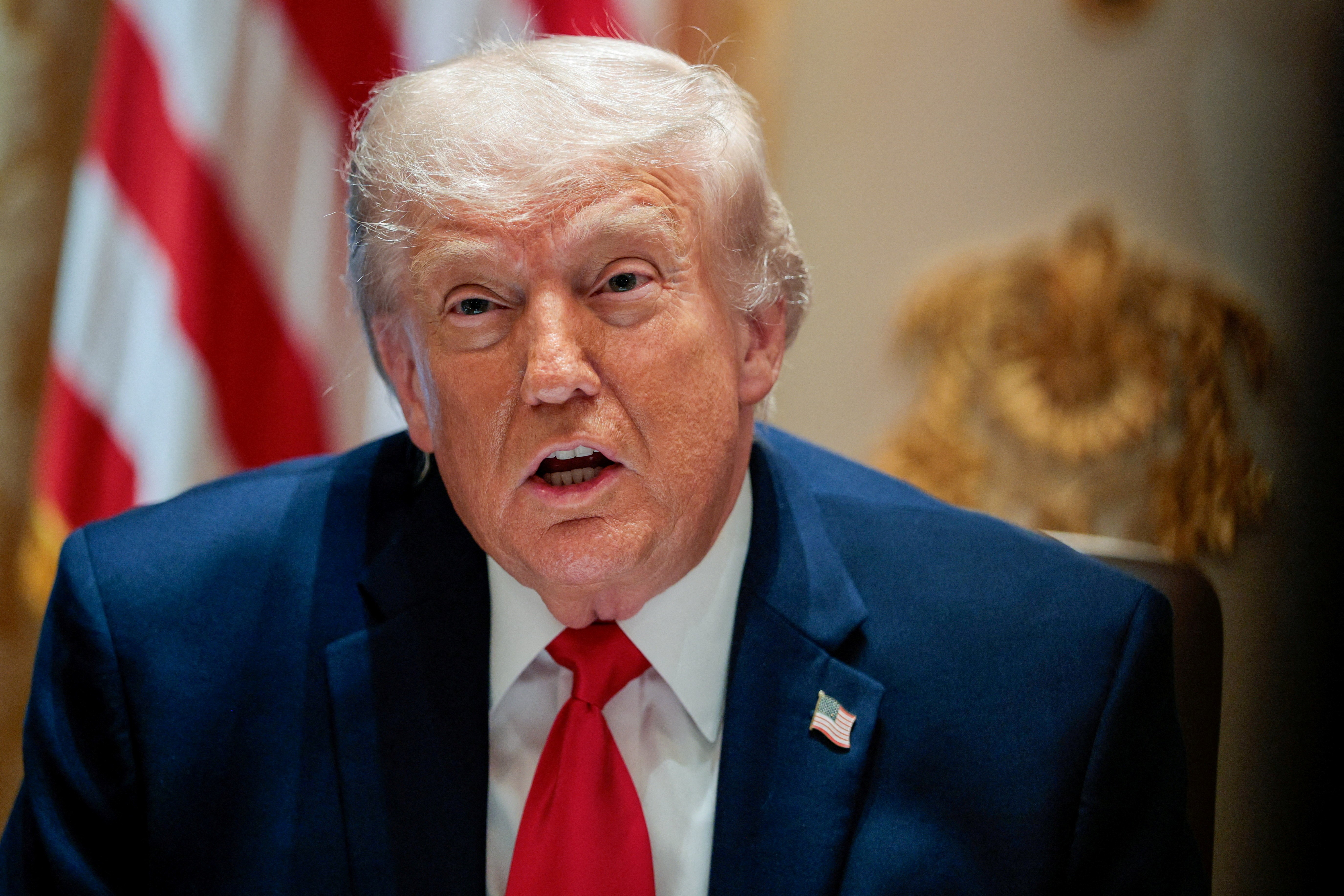
US President Donald Trump during a cabinet meeting at the White House May 27, 2026
REUTERS/Evan Vucci
The President of the United States, Donald Trump, signed last Tuesday (2) a decree on artificial intelligence (AI), which provides for the possibility of the government supervising the most advanced models in the name of digital security.
The text reestablishes rules for AI in the United States and represents a change of direction in the Trump administration, which until then it brought together sectors opposed to any type of regulation in the name of competitiveness with China.
Earlier this year, the scenario changed when Anthropic's Mythos generated concern by demonstrating the ability to expose flaws in digital systems, including those of banks, governments and hospitals. The company chose not to launch the model to the public.
The new rules were agreed with leading AI companies in the United States, such as Google, OpenAI and Anthropic, so that they voluntarily submit their models to a government assessment before launch.
The text clarifies that the measure should not establish mandatory prior government control over new models.
The voluntary approach adopted by Trump is similar to that of his predecessor, Joe Biden. The 2023 decree provided for companies to share the results of security tests. Trump revoked this measure upon returning to the White House, considering it too restrictive.
According to the new measure, the Treasury Department, the National Security Agency and the CISA agency must create a coordination center for digital security in AI. The group will work together with the private sector and operators of critical infrastructure to identify flaws in systems and prioritize fixes.
Google's head of public affairs, Kent Walker, defined the measure as an "important step" that "gives cyberspace defenders more tools to stop malicious actors."
Advantage over China
A previous version of the decree was scheduled to be signed on May 25, but Trump canceled it just hours before, stating that he did not agree with "some aspects" and that he did not want to "compromise" the United States' advantage over China.
Analysts pointed to David Sacks, former White House advisor on AI issues, as an influential voice who would have called the president to convince him to change his decision.
The episode revealed tensions within the government between defenders of regulation and the group opposed to any type of control.
The approved text is almost identical to the previous version. However, the deadline for voluntary examination of new models was reduced from 90 to 30 days. "In the race to AI, every day counts," Sacks said when commenting on the change.
Source: G1