The new full-backs: understand how the position has changed its role in the Brazilian team in recent years
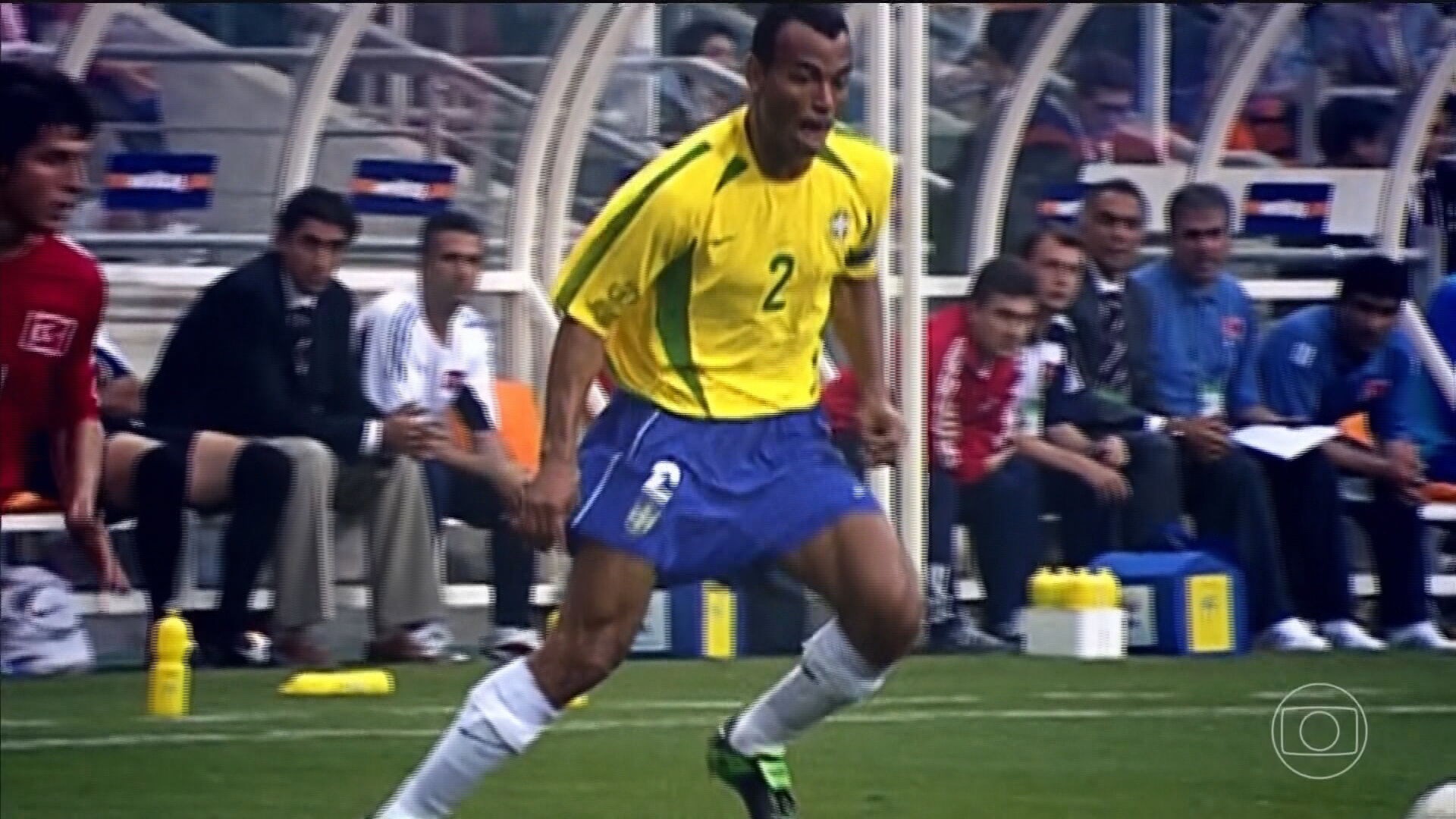
Full-backs: position has changed in recent years in the Brazilian National Team
Full-backs have always played a prominent role in the history of the Brazilian National Team. From Carlos Alberto Torres, scorer of one of the most emblematic goals of the World Cups, to Cafu and Roberto Carlos, who transformed the position into an offensive weapon, Brazil built a tradition of players who attacked, created and decided matches. But the profile has changed.
In the team led by Carlo Ancelotti, the full-backs are better known for their ability to score than for their attacks. And defensive solidity could be one of the Seleção's trump cards in the search for the 2026 World Cup title.
Follow the 2026 World Cup on ge:
2026 World Cup Simulator
2026 World Cup Calendar: see dates and times of all games
RESULTS: check the World Cup table
Power Ranking: which team arrives stronger for the World Cup?
The legacy of historic full-backs
The goal that sealed Brazil's victory over Italy in the 1970 World Cup final is remembered to this day as a collective masterpiece. The author was Carlos Alberto Torres, right-back and captain of that team considered by many to be the greatest team of all time.
In addition to his talent, Carlos Alberto helped to redefine the position by actively participating in offensive actions. The example paved the way for other remarkable full-backs in the history of Brazil.
Then came Leonardo and Branco, world champion in 1994, owner of one of the most famous free kicks in the history of the World Cup.
In 2002, Cafu and Roberto Carlos took the position to another level. The two transformed the sides into attacking corridors and were fundamental players in winning the fifth championship.
Cafu in the 2002 World Cup
Reproduction/TV Globo
A new reality
To win a World Cup again, the Seleção follows another path.
According to captain Danilo, comparisons with historical names do not always take into account the changes that football has undergone in recent years.
"If you are looking for these full-backs like we had, Cafu and Roberto Carlos, who played in a way that the fans felt passionate about, I find it difficult. Once you understand that the functions of the full-backs have changed a lot, so much so that many teams play with defenders there... The full-back's function today is to counter the opponent's pressure and occasionally we have these players."
Leadership continues to be a valued characteristic of the position. What changed was the role on the field.
Danilo talks about the full-back's new role: 'they've changed a lot'
Reproduction/TV Globo
Side-backs or defenders?
The full-backs appear among the most undefined positions in Ancelotti's squad, especially after Wesley was cut due to injury.
Of the four candidates for the vacancies, three play or have played as defenders throughout their careers. Defensive versatility has become an important differentiator in the model adopted by the Italian coach.
The exception is Douglas Santos. The Zenit player is the only native full-back among the available options and believes he can contribute both in defense and attack.
"I will always do my best to defend well and be a surprise in attack to help my teammates."
Douglas Santos believes he can contribute both in defense and attack.
Reproduction/TV Globo
The gesture that is most missed
In Ancelotti's National Team, attacking or defending depends on the needs of the game. The most important thing is to fulfill the tactical role defined by the coach.
What hasn't changed is the objective. More than Cafu's sprints, Roberto Carlos' crosses or Carlos Alberto Torres' climbs, the gesture that the Brazilian fans miss is another: that of raising the World Cup trophy.
READ ALSO: Haiti: what to expect from the team that will face Brazil this Friday (19)
Source: G1