The Musician Who Named Rodney Dangerfield and Changed Comedy History Forever!
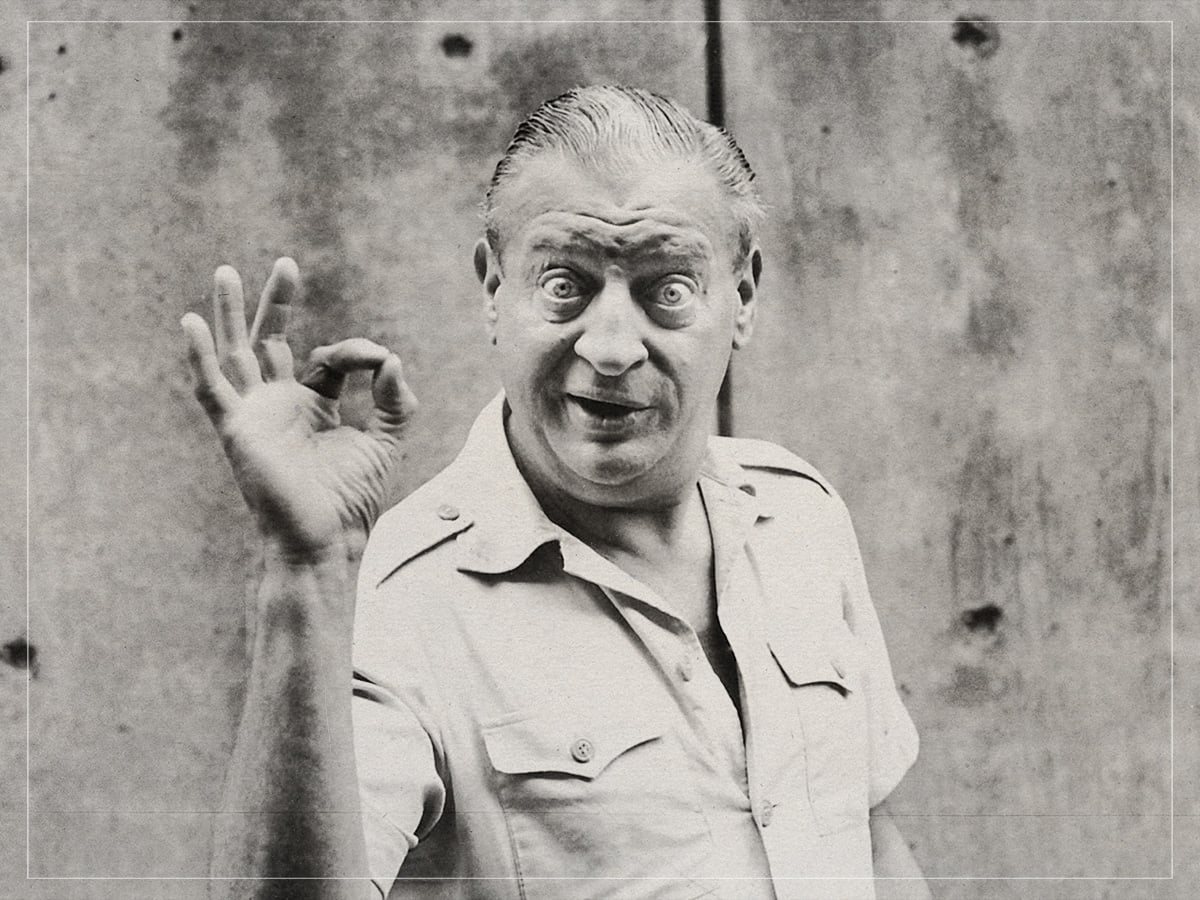
Imagine growing up in the 80s and knowing Rodney Dangerfield as a true comedy icon: a wide-eyed, husky-voiced man full of sarcasm and sharp jokes that always revolved around "I don't get any respect, I tell you!" He starred in classics like Caddyshack, Easy Money and Back to School, and was a constant presence on TV shows, getting laughs with eternal one-liners. But behind this hilarious, over-the-top character was a fascinating story of reinvention and a name that came from an unlikely musician.
Born Jacob Cohen on Long Island, New York, in 1921, Rodney abandoned comedy dreams in the 1940s to get married and work as a paint salesman. After a divorce at age 40, in debt and lost, he decided to return to the stage, starting on the legendary Borscht Belt, the circuit of Jewish resorts where legends like Milton Berle, Red Buttons and George Burns were trained. Like many Jewish artists of the time, he changed his name to Jack Roy to appeal to a wider audience, but success did not come easily.
It was then that, in the early 60s, he created the self-deprecating character of the "man with no respect", inspired by his own life of exclusion. To mark a complete break with the past, he adopted the name Rodney Dangerfield, supposedly suggested by a club owner called George McFadden. His name exploded in popularity: he became a TV star in the 1960s, recorded a Grammy-winning comedy album and became one of America's most beloved comedians, especially among young people, serving as a bridge between the old guard and new stars like Robin Williams, Steve Martin and Jerry Seinfeld.
But the actual origin of this iconic name is even more intriguing! Research shows that "Rodney Dangerfield" has been circulating in comedy circles since the 1940s, used by a hillbilly comedy trio called the Milltown Morons and, in the 1950s, by Bob Bell, of Bozo the Clown fame. Many point to a 1962 episode of the series The Adventures of Ozzie and Harriet, where young Ricky Nelson (already a music star) uses the name on a blind date. With only three TV channels at the time, it's likely that Jack Roy or McFadden saw it and saved the idea. Ricky Nelson, at 22, was still playing "the little boy" while still being a pop idol - who knew he could have inspired the name of one of the greatest comedians of all time?
This story isn't just about a name: it's about resilience, reinvention and how a simple pseudonym can catapult someone to stardom. Rodney Dangerfield proved that, even without apparent respect, talent and persistence always triumph. A viral lesson for anyone dreaming of starting over!
[Include image or video embed here: Credit: Far Out / Rodney Dangerfield and YouTube Still]