The Man Who Escaped the Nazis and Ended Up Creating the Golden Age of Rock in the 1960s
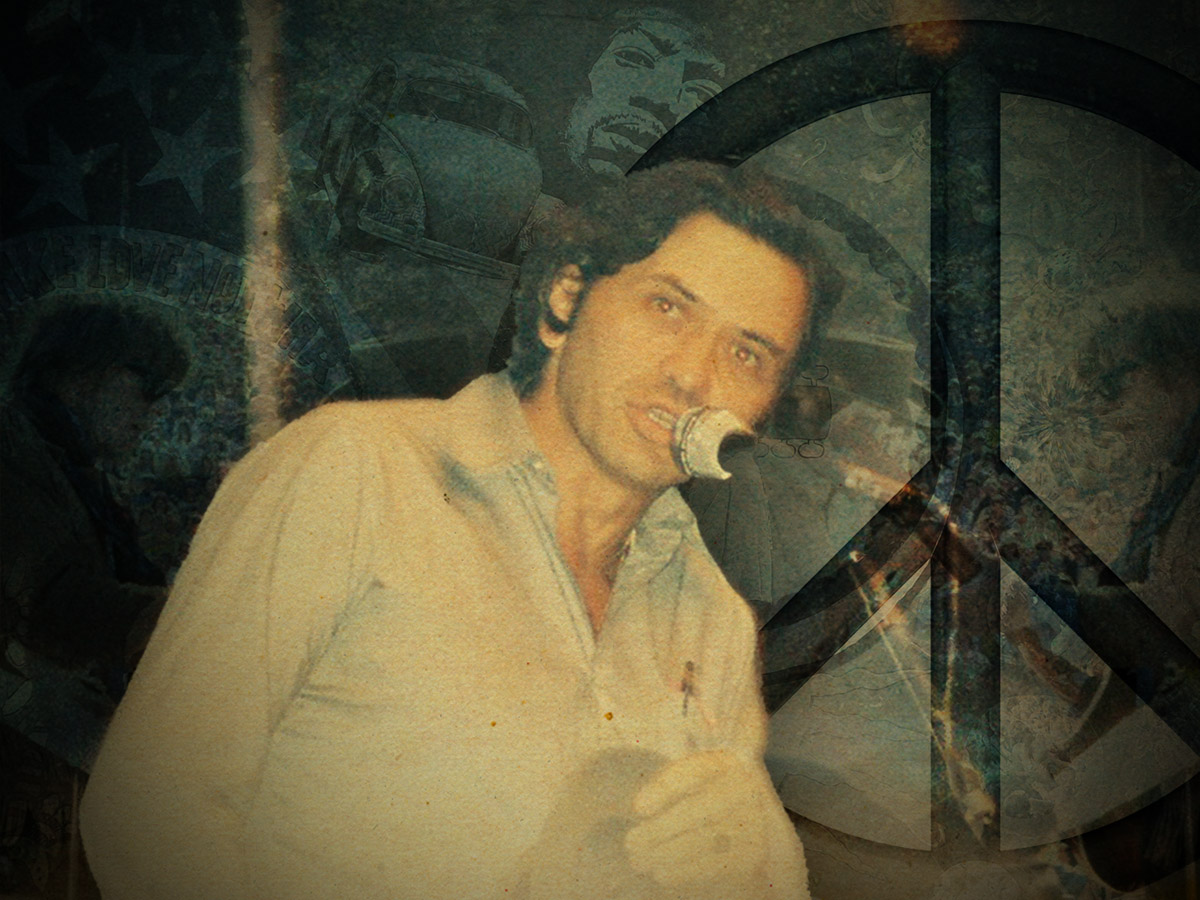
Few figures have had as profound an impact on the history of modern music as Bill Graham. Although his name is not as well-known as that of major rock artists, his influence was decisive in shaping the musical culture of the 1960s and helping to transform San Francisco into the epicenter of the cultural revolution known as the Summer of Love.
Graham's story begins far from the stage. Born in Germany during the rise of the Nazi regime, he was one of the Jewish children who managed to escape persecution thanks to the Kindertransport program, which saved thousands of young people from the Holocaust.
After emigrating to the United States, Graham built a new life and, years later, would find his true destiny in the entertainment industry. With a unique vision for identifying talent and organizing events, he quickly became one of the most important figures on the American music scene.
During the 1960s, Bill Graham helped promote historic concerts that brought together emerging artists and ever-larger audiences. His work was fundamental to the growth of bands such as Grateful Dead, Jefferson Airplane, Santana, Janis Joplin and many other names that would define a generation.
The businessman was a key player in the creation of the Fillmore Auditorium, a place that became a symbol of the counterculture and the creative explosion that took over California during the Summer of Love.
More than simply organizing shows, Graham helped create complete cultural experiences. Its events mixed music, art, creative freedom and social activism, elements that became trademarks of the time.
Over the following decades, he continued to promote historic performances and cemented his reputation as one of the greatest concert producers in history. His trajectory shows how a survivor of Nazi persecution ended up helping to transform the world of music forever.