The Film That Dominated the Big Screen in 1976: The Story of the Long Reign of "One Flew Over the Cuckoo's Nest"
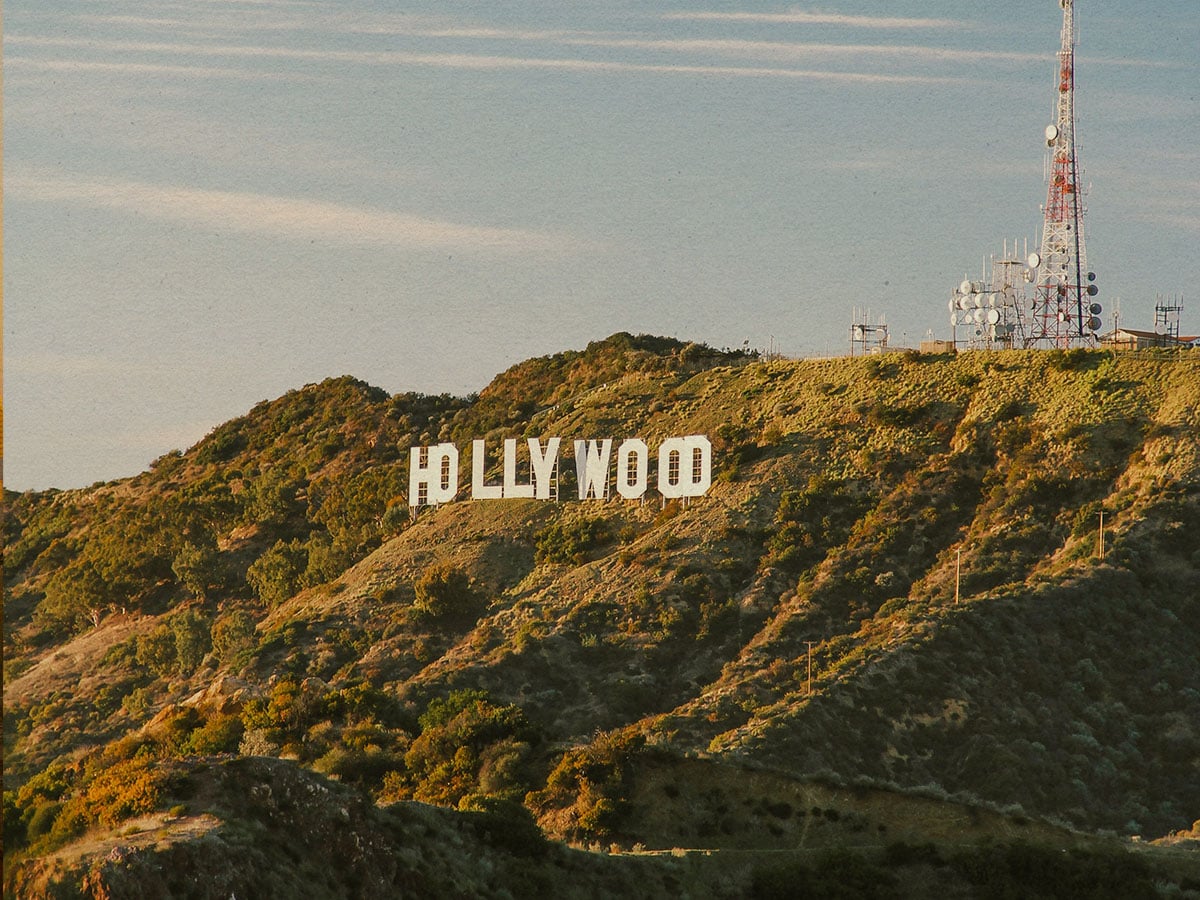
The 1970s were a period of profound transformation in cinema, especially in Hollywood, reflecting the social and cultural changes that swept the world. For years, the traditional model of studios controlling production and actors locked into rigid contracts dominated the industry. However, with the advancement of civil rights movements, second-wave feminism and the greater visibility of the LGBTQ+ community, cinema needed to reinvent itself to keep up with these new realities.
The impact of the Second World War and the social transformations that followed provoked a radical change in art and culture, with cinema being one of the main vehicles of this evolution. In the United States, the end of the Hays Code in 1968 marked the beginning of an era known as New Hollywood, characterized by bolder and more provocative films, which explored themes such as violence, sex, drugs and nihilism, breaking with the moral and aesthetic rigidity that had prevailed until then.
In 1976, this new wave of films won over audiences and critics, with titles that became classics and defined the decade. Among them were "Taxi Driver", "Carrie", "The Exorcist", "Rocky", "Intrigue Network" and "All the President's Men". The year began with "Dog Day Afternoon" topping the box office, followed temporarily by the family film "The Adventures of the Wilderness Family." However, it was in February that one film in particular began to make an impressive splash.
"One Flew Over the Cuckoo's Nest", directed by Miloš Forman and based on the novel by Ken Kesey, reached number one at the box office 12 weeks after its release in 1975. The film portrays life inside a psychiatric hospital, where Nurse Ratched exercises authoritarian and oppressive control over patients. With memorable performances by Jack Nicholson and Louise Fletcher, the film brought an innovative and even humorous view of mental illness, challenging taboos and winning over the public.
After reaching the top, "One Flew Over the Cuckoo's Nest" remained firmly in the lead for five consecutive weeks, was briefly surpassed by "Taxi Driver" for a week, but soon regained the position and continued to dominate for another three weeks. In total, the film spent eight weeks at number one at the box office in 1976, making it the longest-running film that year.
In addition to its commercial success, the film was widely recognized by critics and the film industry, winning several Oscar awards, including Best Film, Best Director, Best Actor for Jack Nicholson and Best Actress for Louise Fletcher. This consecration reinforced the cultural and artistic impact of the work, which to this day is considered one of the most important and influential productions of the 1970s.
The prolonged success of "One Flew Over the Cuckoo's Nest" reflects not only the quality of the film, but also the paradigm shift in American cinema at the time, which began to value more complex narratives, deep characters and relevant social themes. This transformation paved the way for a new generation of filmmakers and works that continue to influence contemporary cinema.
In short, the film starring Jack Nicholson not only dominated the box office in 1976, but also marked an era of renewal in cinema, symbolizing the transition to a freer and more creative period in the film industry. His legacy lives on, inspiring viewers and filmmakers around the world.