The 1993 Album That Saved John Frusciante: Nirvana's Transformative Influence
In the 1990s, the music scene was profoundly marked by the grunge movement, a style that rejected the idea of being "cool" and that, paradoxically, gained a legion of fans around the world. Among the most emblematic bands of this movement was Nirvana, who, after the release of their debut album "Bleach" in 1989, became a global phenomenon with the iconic "Nevermind" in 1991. This success, however, brought to light an internal conflict between artistic authenticity and commercial pressure, a dilemma that reverberated among musicians and fans.
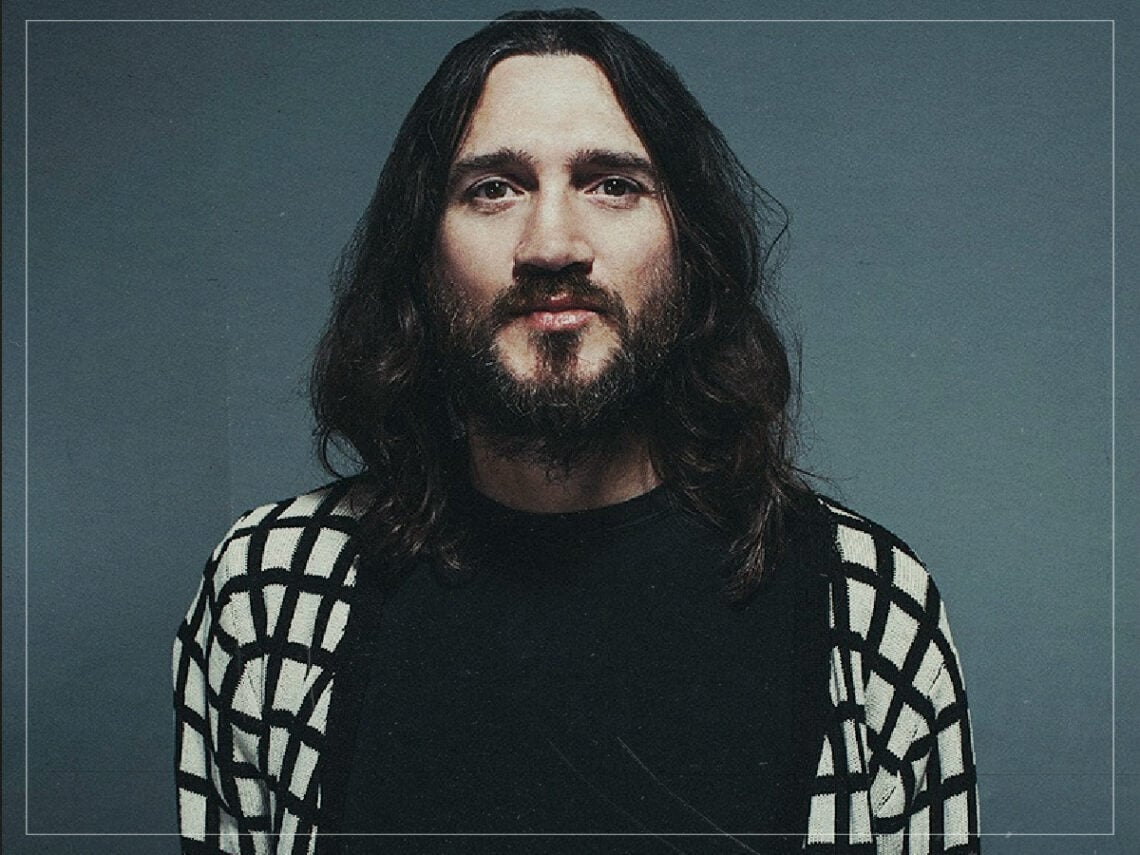
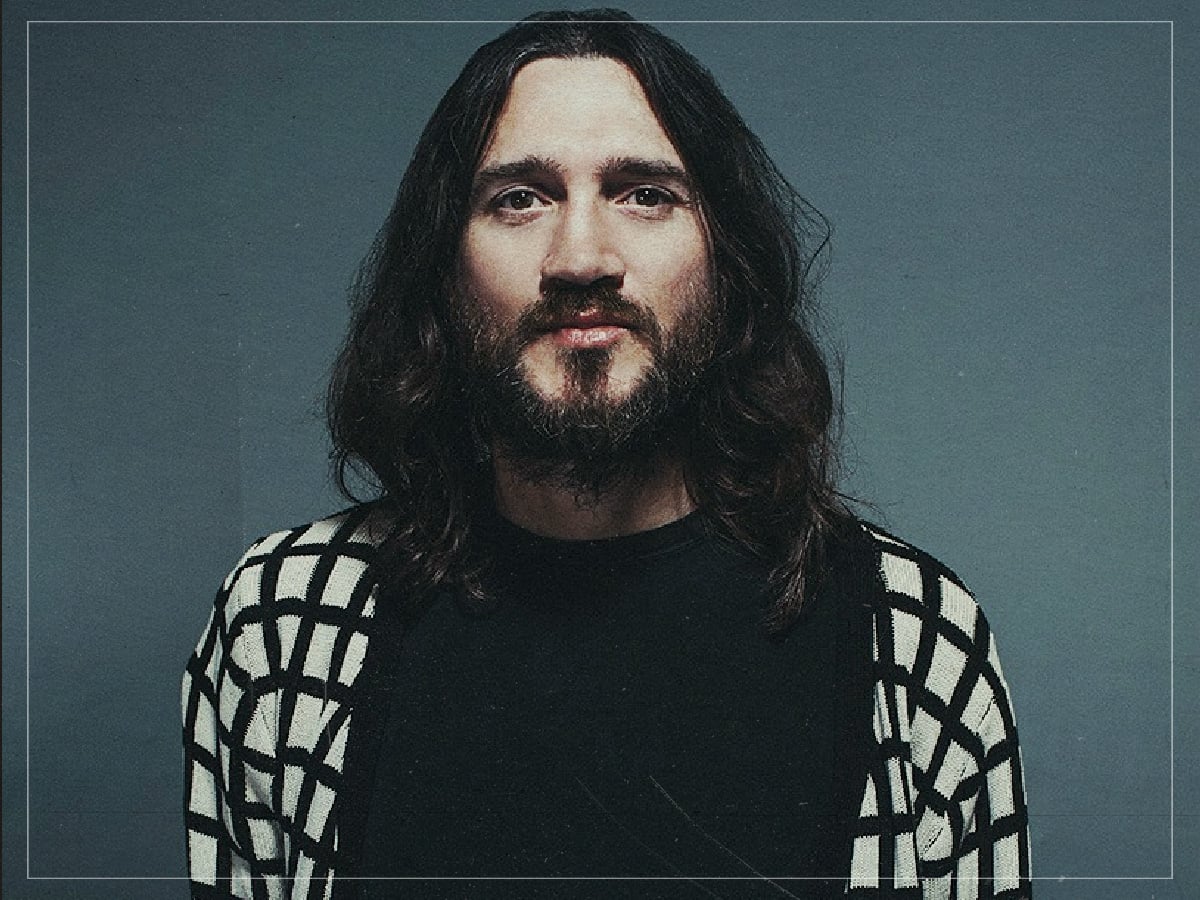
John Frusciante, guitarist for Red Hot Chili Peppers, experienced this duality up close. Although his band already has an established trajectory and even had Nirvana as an opening act on their tour for the album "Blood Sugar Sex Magik", Frusciante admitted that he initially hid his admiration for the Seattle group. He felt a kind of competition and didn't want to reveal how much Nirvana influenced his own music. However, this perception changed profoundly when he started listening to Nirvana not as a rival musician, but as a genuine fan.
At a particularly difficult time in his life, marked by problems with drug addiction and a temporary departure from the Red Hot Chili Peppers in 1992, Frusciante found the album "In Utero", released in 1993 by Nirvana, a source of inspiration and comfort. He described this record as the band's best, highlighting the rawness and feeling that it was just musicians playing together in an intimate setting, far from the superficial glitz of the music industry. This authenticity resonated deeply with him, as he found himself in a similar situation of vulnerability and search for redemption.
Nirvana's music, for Frusciante, represented more than just a genre or a sonic influence; it was a link to the reality of being "at rock bottom." He explained that although punk was what motivated him to play guitar, he also appreciated different styles of pop, and Nirvana managed to unite these elements in a unique way. This emotional and artistic connection was fundamental for Frusciante to find the strength to rise again.
The impact of this influence became even more evident after the tragic death of Kurt Cobain in 1994. Even without a direct personal relationship with the Nirvana singer, Frusciante confessed to having cried upon receiving the news, recognizing the pain and suffering shared by both. Cobain's trajectory, marked by a tortured soul, served as a mirror for Frusciante and motivated him to seek his own personal recovery and renewal.
Thus, the album "In Utero" and Nirvana's music played a crucial role in John Frusciante's life, helping him get through a dark period and rediscover his path inside and outside of music. This story reveals how art can be a powerful instrument of transformation, capable of saving lives and inspiring profound changes.