The 1989 song Billy Joel had trouble recording and the secret behind its success
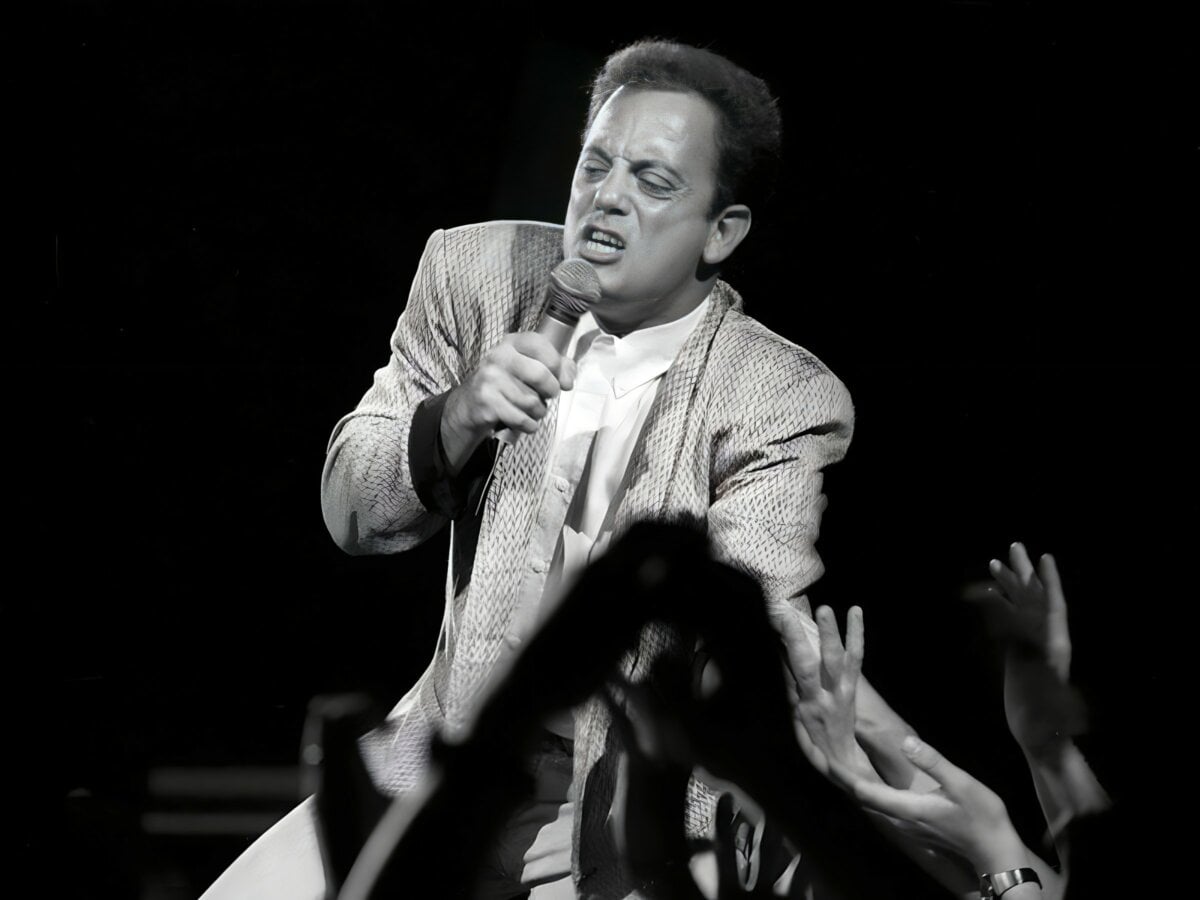
Billy Joel is recognized worldwide for his seemingly natural ability to compose and perform songs that have become instant classics. Hits like "Vienna" and "Uptown Girl" sound so fluid and spontaneous that it's difficult to imagine that, behind these melodies, the artist's creative process has already been marked by great challenges. Although his fans know Joel's talent for creating striking lyrics and engaging melodies, the musician himself has revealed that composing was not always an easy task.
In an interview with the Los Angeles Times in 1993, Billy Joel described his songwriting experience as true "agony." He said that, during the process, he faced moments of bad mood and restlessness, even dreaming of songs that, when he woke up, brought him fragments that triggered new ideas. For him, putting together a song was comparable to "pulling teeth", hard and emotionally exhausting work. This sincerity helps to understand why, despite his success, Joel views songwriting more as a compulsion than a simple profession.
This difficulty also explains the absence of new rock albums in his discography since 1993, as the singer has already stated that it takes a huge dose of ambition to dedicate himself to long studio projects these days. "I look at that Billy Joel who was the recording artist and think, 'Who the hell was that guy?' He was very ambitious and determined, and I don't feel that way anymore."
However, in 1989, this ambitious Billy Joel was still in full swing, committed to overcoming difficulties to create new music that marked his career. The album "Storm Front", released that year, is a testament to the artist's musical diversity and richness, bringing together everything from the frenetic rhythm of "We Didn't Start the Fire" to the moving ballad "And So It Goes" and the folk epic "The Downeaster Alexa". The latter, in particular, stands out not only for the political theme it addresses - the struggle of commercial fishermen from eastern Long Island against large corporations - but also for the technical challenge it represented for Joel during recording.
Billy Joel explained that the beat of "The Downeaster Alexa" is unusual for rock in that the "downbeat" occurs on beats one and three, as opposed to the traditional pattern marking beats two and four. This "backwards" rhythmic structure gave the song a feel closer to a folk song, as if it were played on a caldera drum rather than a typical rock drum. This rhythmic complexity made recording especially difficult, requiring extra effort to capture the desired sound.
Despite the difficulties, Joel believes that the success of the song lies precisely in the fact that it does not seem complicated to the listener. "The best things are those that are more complex than they seem. You shouldn't hear the seams, the screws and the rivets. It should sound like something that came naturally and effortlessly," he said. This philosophy permeates all of the artist's work, who has always sought to hide the hard work behind melodies that seem to have existed forever.
This ability to transform a painful process into songs that sound spontaneous and genuine is perhaps Billy Joel's greatest talent as a songwriter. Even when he addresses deep social themes, as in "The Downeaster Alexa", or creates intimate ballads, he manages to keep the essence of the music intact, offering the public a sound experience that seems simple, but is the result of meticulous and dedicated work.
 Furthermore, the album "Storm Front" can be enjoyed on streaming platforms, such as Spotify, where it is possible to perceive all the diversity and musical richness that marked this phase of Joel's career.
Thus, the story of the recording of "The Downeaster Alexa" reveals not only the difficulties faced by Billy Joel, but also his dedication to creating music that, despite the obstacles, sounds natural and unforgettable. This internal struggle and the success achieved are part of the legacy that keeps Billy Joel as one of the most respected and admired voices in world popular music.
Furthermore, the album "Storm Front" can be enjoyed on streaming platforms, such as Spotify, where it is possible to perceive all the diversity and musical richness that marked this phase of Joel's career.
Thus, the story of the recording of "The Downeaster Alexa" reveals not only the difficulties faced by Billy Joel, but also his dedication to creating music that, despite the obstacles, sounds natural and unforgettable. This internal struggle and the success achieved are part of the legacy that keeps Billy Joel as one of the most respected and admired voices in world popular music.