The 1979 Tragedy That Pete Townshend Could Never Overcome and Marked the History of Rock
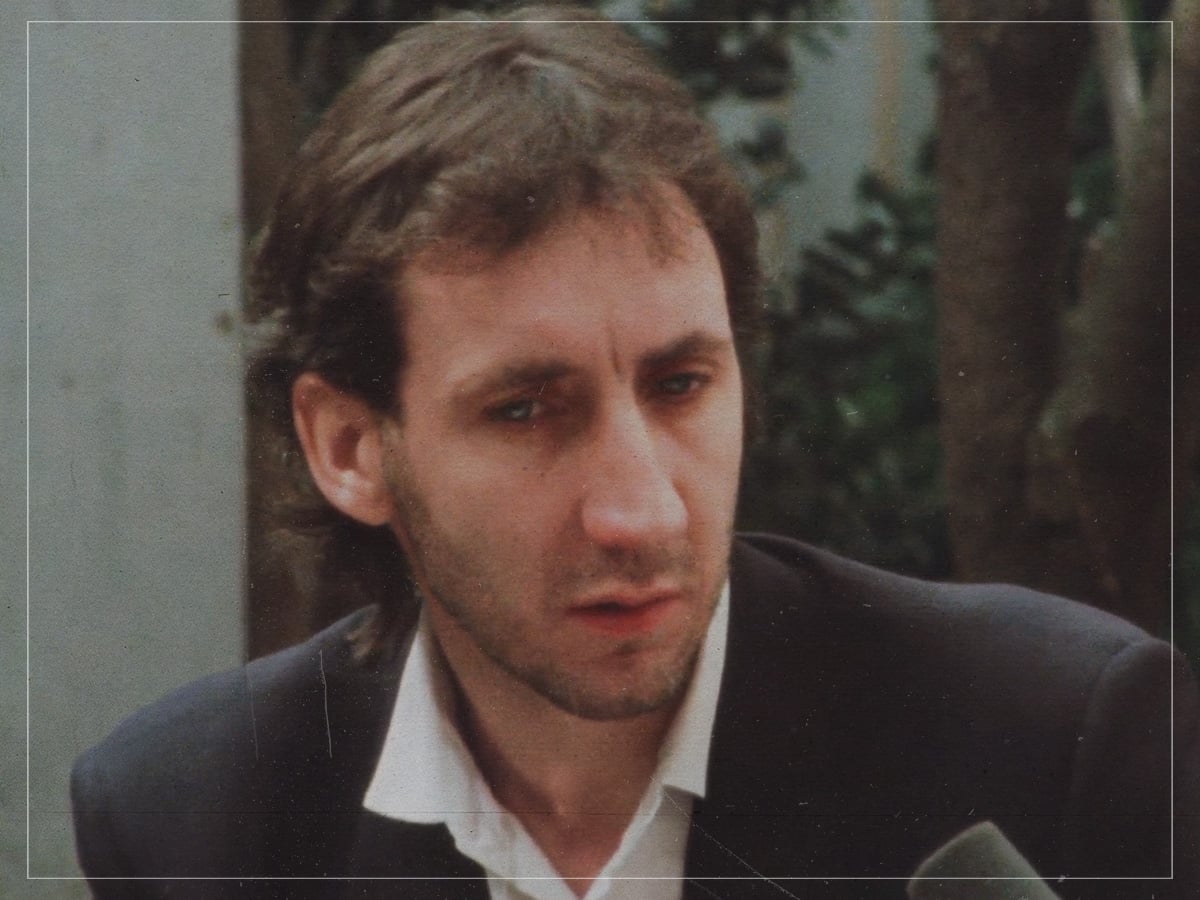
Pete Townshend's career is full of historic moments, but it also contains one of the most painful chapters ever experienced by a major rock band. Decades after the incident, the musician is still deeply associated with a tragedy that forever changed the relationship between artists, organizers and fans at major events.
The episode took place in December 1979, when the legendary band The Who was preparing to perform in Cincinnati, in the United States. Before the show even started, thousands of fans tried to enter the venue simultaneously after believing that the performance had already started.
The situation quickly got out of control. The enormous pressure from the crowd caused a crush at the entrances to the gym, resulting in the death of 11 people and leaving dozens injured. The disaster became one of the greatest tragedies in the history of rock concerts.
The most shocking thing is that the band members didn't immediately know what had happened. The show took place normally, and only after the performance were the musicians informed about the seriousness of the events.
For Pete Townshend, the trauma remained alive for decades. The guitarist admitted several times that he was never able to fully process what happened. The idea that people lost their lives trying to watch the group left deep marks on his personal and professional trajectory.
Band members and people close to them reported that Townshend carried feelings of guilt, sadness and emotional responsibility for the rest of his life. Although the group had no direct involvement in the failure to organize the event, the tragedy became part of the band's history.
The Cincinnati disaster also sparked major changes in the entertainment industry. From that moment on, organizers began to review security protocols, entry systems and crowd control to avoid similar occurrences again.
More than 40 years later, the episode continues to be remembered as one of the saddest pages in rock history and a wound that Pete Townshend was never able to completely leave behind.