The 1974 Genesis Album That Almost Was Too Much for the Band: A Painful and Transformative Process
Por Equipe Editorial CifraNET · 26/06/2026
Publicidade
Releasing a double album is always a significant milestone in the trajectory of any artist. For some bands, it can represent an accumulation of disconnected ideas; for others, a moment of undeniable artistic maturity. In the case of Genesis, the 1974 double album "The Lamb Lies Down on Broadway" not only established the band as progressive rock legends, but was also an almost unbearable project to undertake, as guitarist Steve Hackett recalls.
At that time, Genesis already mastered progressive music, surpassing even names like Yes and King Crimson in complexity and innovation. Under the leadership of Peter Gabriel, the group explored unexplored musical territories, using unconventional rhythmic signatures and creating unique sound atmospheres. However, for this album, they decided to go beyond the music: they wanted to tell a grand story, almost like a large-scale theater production.
"The Lamb Lies Down on Broadway" wasn't just a record; it was an ambitious conceptual narrative that demanded rare artistic courage from the band. Instead of following the more commercial path that was beginning to open up for them, Genesis delved deeper into an elaborate plot, which required a musical complexity and theatricality unprecedented in the progressive rock scene.
Peter Gabriel, although he gave way to Phil Collins to take over the vocals on some tracks, was the main mentor and face of the project, especially in the live performances. Known for his extravagant costumes, Gabriel turned the album tour into a spectacle that could easily be mistaken for a Broadway musical, impressively bringing the album's concept to life.
However, this grandeur brought a huge weight behind the scenes. The pressure to balance Gabriel's dense narrative with the other members' increasingly complex compositions made the recording process one of the most difficult of Genesis' career. Steve Hackett described the experience as a "difficult birth", stating that the album "came into the world kicking and screaming", far from the tranquility one might expect from an artistic birth.
In addition to the creative difficulties, emotional exhaustion also affected the group. During the tour, Gabriel was already showing signs of mental exhaustion, missing his family and considering leaving the band midway. This internal tension marked the end of an era for Genesis.
After Gabriel's departure, Phil Collins took over lead vocals, and the following album, "A Trick of the Tail", inaugurated a new phase for the band. With just four members, Genesis began to focus on independent songs, maintaining musical complexity, but without the need for a unique narrative, which allowed greater creative freedom for everyone, including standout moments for Hackett and Tony Banks.
Although Peter Gabriel began a successful solo career, "The Lamb Lies Down on Broadway" remains a landmark symbol that symbolizes both the height of Gabriel's visionary influence on Genesis and the transition to the new phase led by Collins. Despite the pains and challenges faced during its creation, the album is considered a masterpiece of progressive rock, a testament to how much the band was willing to challenge themselves and push their own limits.
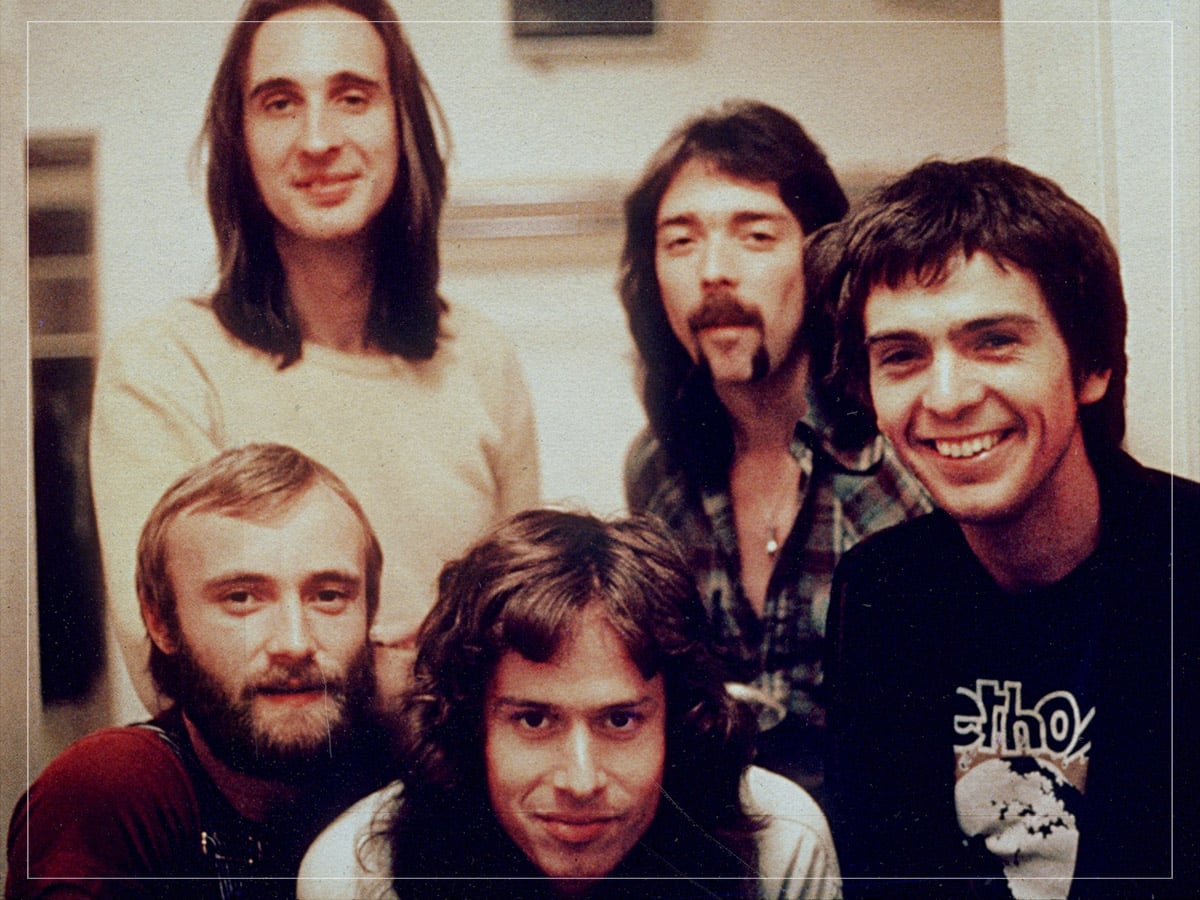
Phil Collins - Genesis - Drummer - Singer - Musician - 1970s (Credit: Far Out / TIDAL)