The 10 Most Extreme Exploitation Films of the 1970s
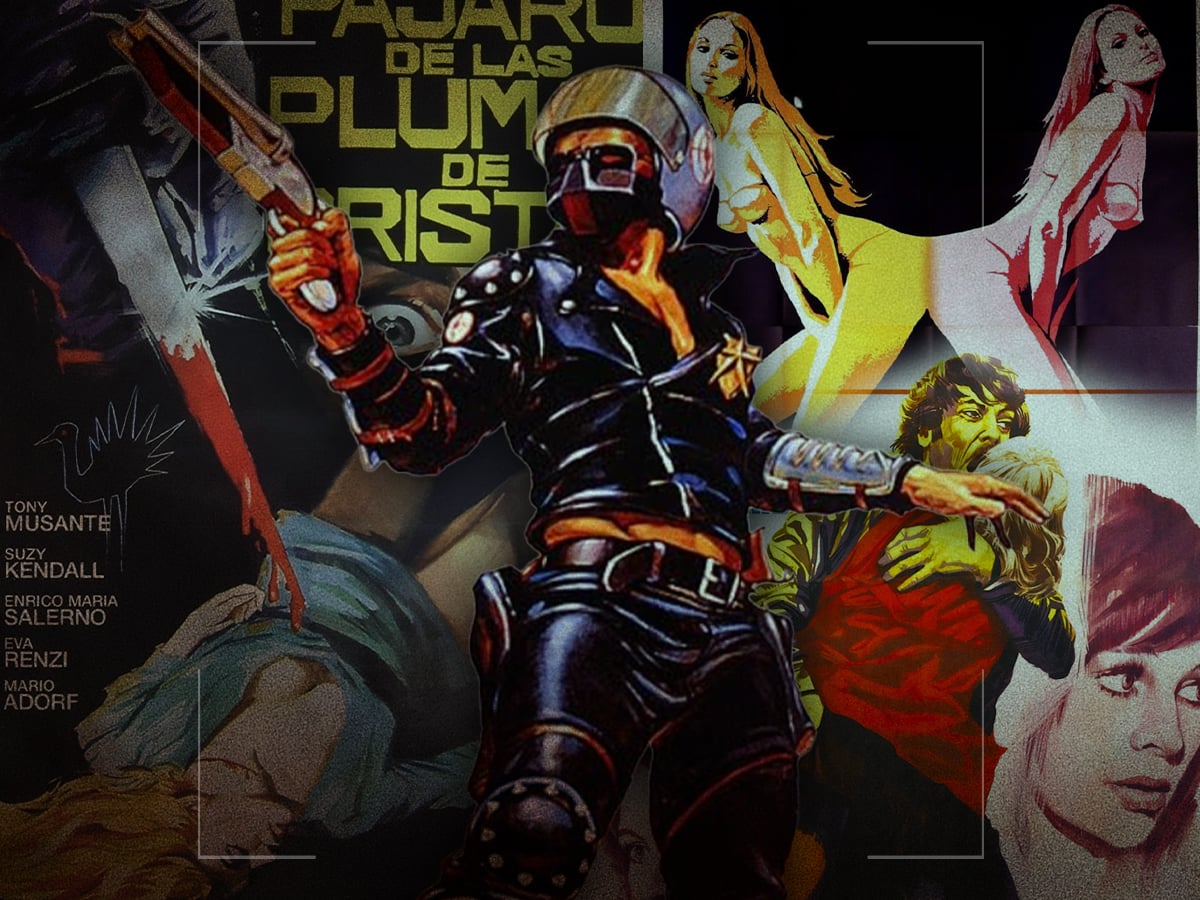
The 1970s marked the peak of exploitation cinema, known for productions that focused on graphic violence, sex, horror and themes considered shocking at the time. Far Out Magazine brought together ten works that represent this controversial period in the history of cinema.
Among the highlights is "The Texas Chain Saw Massacre" (1974), directed by Tobe Hooper. Despite the low budget, the film redefined modern horror and became a permanent reference for the genre.
Another remembered title is "I Spit on Your Grave" (1978), a film that generated enormous controversy by portraying a violent story of revenge. To this day, the production divides opinions between critics and spectators.
The list also includes "Cannibal Holocaust" (1980, produced at the end of the exploitation wave of the 70s), often cited as one of the most controversial films ever made due to its almost documentary style.
Other classics mentioned are Wes Craven's "Last House on the Left", "Ilsa: She Wolf of the SS", "Female Trouble", "The Driller Killer", "Thriller: A Cruel Picture", "Foxy Brown" and "Switchblade Sisters".
These films explored topics considered taboo and were usually produced with reduced budgets, relying on provocative advertising campaigns to attract the public.
Although many were criticized for their extreme violence and explicit content, several of these works ended up influencing generations of directors, including Quentin Tarantino, Eli Roth, Robert Rodriguez and other filmmakers interested in reviving the spirit of exploitation cinema.
Today, these productions are studied both for their cultural impact and for the discussions they provoked about the limits between art, entertainment and provocation.