The 10 Clint Eastwood Scenes That Many Would Rather Erase From History
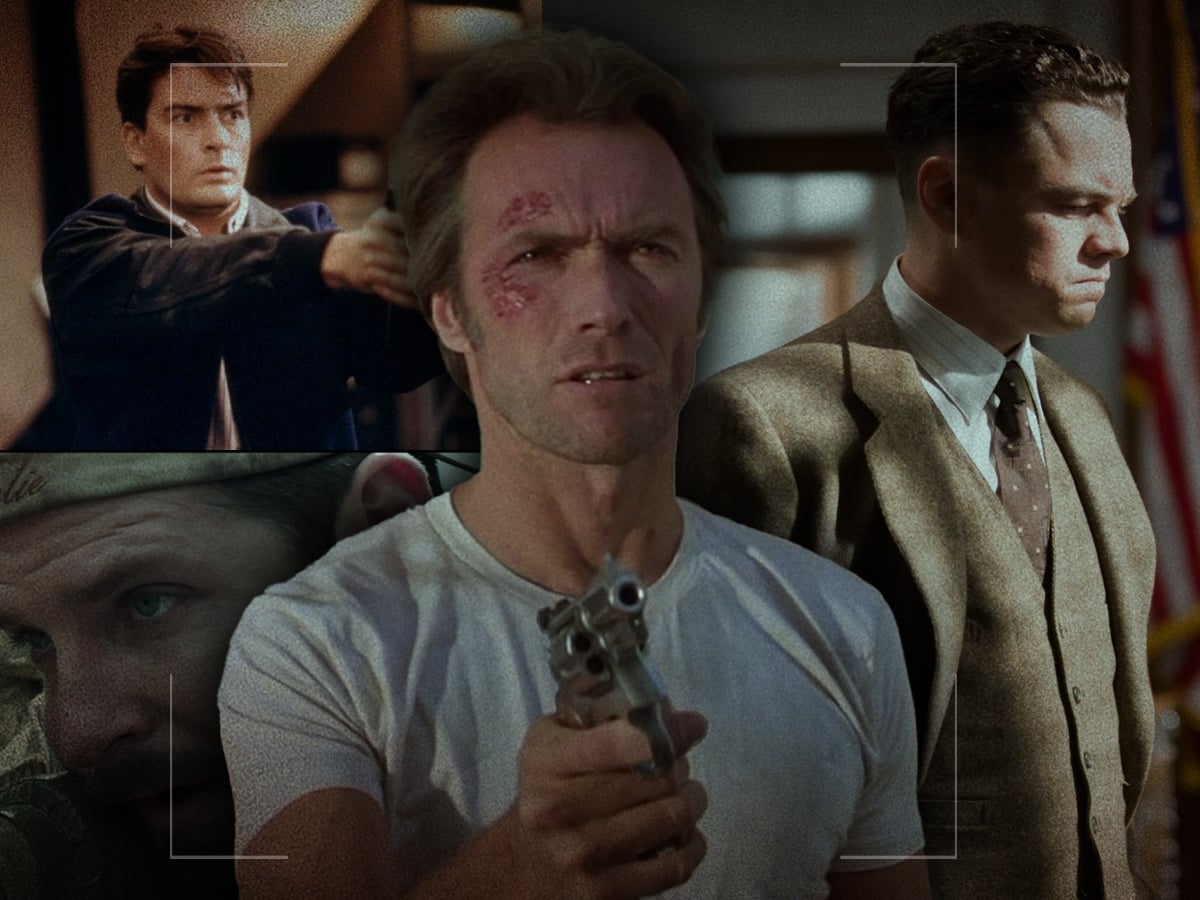
Clint Eastwood has one of the most important careers in the history of cinema, but not even a legendary filmography is free from problematic moments. Over the decades as an actor and director, some scenes came to be remembered for less than positive reasons.
The list starts with the famous fake baby from "American Sniper" (2014). In the scene, Bradley Cooper appears holding a clearly artificial baby, a detail that went viral on social media and became a reason for criticism of the rush characteristic of Eastwood's filming style.
In "15h17: Trem Para Paris" (2018), the problem appears in the scene where Spencer, Alek and Anthony meet at school. The attempt to transform the protagonists' meeting into something almost destined ended up sounding artificial and weakened the realism of the story.
"Richard Jewell" (2019) also made the list because of the scene in which journalist Kathy Scruggs flirts with agent Tom Shaw. The sequence was criticized for suggesting that she used personal relationships to obtain sources, something seen as unfair and offensive to the reporter's memory.
In "Rookie" (1990), the bar fight scene involving Charlie Sheen's character David was considered generic and unconvincing. The attempt to show the character as tough ended up looking like it was taken from any common police film.
"Destinos Rumo" (1986), known in the original as "Heartbreak Ridge", appears because of the reconciliation between Tom Highway and Aggie. The relationship between the characters is presented in such a problematic way that the romantic resumption seems unnatural.
In "True Crime" (1999), the discomfort is in the final Christmas scene, when the film jumps in time and shows everything conveniently resolved. The outcome weakens the tension built around the attempt to save a man sentenced to death.
In "J. Edgar" (2011), the scene in which J. Edgar Hoover admits his love for Clyde Tolson is also cited as a poorly handled moment. The sequel attempts to humanize a controversial character, but suffers from unconvincing makeup and excessive melodrama.
"Firefox: Firefox" (1982) enters the selection for its explanation of Major Mitchell Grant's war trauma. The idea of addressing post-traumatic stress was relevant, but the film deals with the topic in a superficial and unscientific way.
In "Suicide Route" (1977), Ben Shockley's introduction to Mally aged very poorly. The scene includes physical aggression and elements linked to the character's traumatic past that today sound uncomfortable and underdeveloped.
The list ends with "Escalado Para Morrer" (1975), because of the sequence of the accident with rocks on a mountain. The moment was marked by a real tragedy behind the scenes: stuntman David Knowles died while preparing an action scene, which left a permanent shadow over the film.
These episodes do not erase Clint Eastwood's importance to cinema, but they show how even great careers involve creative choices, poorly executed scenes and moments that age difficultly.