Teacher: Financial sector should be most affected in decision on factions
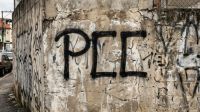
The designation of the PCC (Primeiro Comando da Capital) and the CV (Comando Vermelho) as terrorist organizations by the United States generated wide debate about the possible impacts of this measure in Brazil. For Marília Pimenta, professor of International Relations at UNESP, companies and the financial sector should be the segments most directly affected by the decision.
In an interview with WW, Marília contextualized the decision within a North American extraterritorial agenda that dates back to the terrorist attacks of September 2001. According to her, it was from that moment on that the United States began to adopt preventive and preemptive actions with a broad framework, ranging from military interventions to measures in the legal and financial fields.
To understand the scope of the measure, Marília highlighted the importance of observing the North American history of combating terrorism in the region. She cited the so-called "Plan Colombia" as an emblematic example: a bilateral agreement that involved designating the FARC (Revolutionary Armed Forces of Colombia) as a terrorist group, associating them with drug trafficking and resulting in comprehensive reforms in the Colombian legal, police and prison systems.
"It is important for us to establish this historical return to think about this North American extraterritorial agenda and look a little at the impacts on other countries in the region to understand how this issue approaches here in Brazil", said the expert.
Direct impacts on Brazil
According to Marília, the PCC and the CV have wide coverage in the Brazilian economy, operating in various activities that involve third parties. This characteristic is what makes companies and the financial sector the most vulnerable targets of the new North American legislation.
"We have direct impacts on companies in our financial sector that may be linked to or in some way fuel organized crime in the country", he explained.
The expert highlighted that actors who, directly or indirectly, maintain links with these organizations will now be monitored and must respond to United States legislation.
"These two organizations have a series of penetrations into the Brazilian economy in various activities, and all of them involve other actors - third parties - who will be monitored and will have to respond to legislation that is currently North American", concluded Marília.
The texts generated by artificial intelligence on CNN Brasil are made based on video cuts from the newspapers in its programming. All information is investigated and checked by journalists. The final text is also reviewed by the CNN journalism team. Click here to find out more.
Source: CNN