Survey shows the level of solidarity among Brazilians
The research "Portrait of Solidarity: Pro-social behavior in Brazil", carried out by the Pensi Institute, mapped the level of solidarity of Brazilians and which causes they are most likely to donate to. The 2025 edition arrives to the public in July, but CNN Brasil received an exclusive preview of the study.
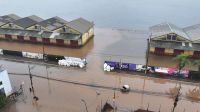
Flávio Pinheiro, main researcher at the Department of Research in Social Sciences and Philanthropy at the Pensi Institute and coordinator of the research, pointed out in an interview with CNN Brasil that an interesting fact was the increase in donations in 2024, due to the floods in Rio Grande do Sul, while in the following year the data shows a retraction, due to a possible accommodation of people.
"And a point that caught our attention was that, in the South region, unlike the rest of the country, the number of recurring donors grew in 2025", adds the researcher and explains that one of the hypotheses is the proximity to a tragedy and the experience of aid may have created a greater bond between the population and the organizations that receive donations.
The comparison shows a drop of 3%, from 58% to 55%, in the number of Brazilians who said they had made donations, whether financial (a drop of 2 points), goods (3 points) or volunteering (1 point). On the other hand, contributions to religious causes increased, from 29% to 32%. The survey took place with over 2,500 people in 120 municipalities spread across all regions of the country.
Another point that draws attention is the environment, with a new section on the population's climate perceptions. According to the survey, more than 92% believe that the world's climate is changing and, of the 8 out of 10 people who are concerned about this, only 2% donate to organizations that work to protect the environment.
The Solidarity Portrait aims to offer reliable and more robust data on how the dynamics of donations manifest themselves in the country, generating scientific knowledge and offering information to the third sector. By analyzing data annually, it is possible to "track changes over time, detecting trends, understanding the impact of events", explains Flávio.
Source: CNN