STF adjusts accountability of big techs; there is no longer any appeal against the ministers' decision
STF decides that big techs are required to have headquarters in Brazil
The Federal Supreme Court (STF) defined this Wednesday (17) adjustments to the decision that expanded the responsibility of platforms for the content they publish.
Unanimously, the Supreme Court also decided to declare the actions final, therefore, there is no longer any chance of questioning the agreed understanding.
A deadline of 60 days was set for the implementation of the obligations imposed on providers. This applies to the adoption of actions under the so-called duty of care, which includes measures to reduce the risk of offenses against fundamental rights and combat illegal acts, self-regulation and the provision of specific service channels for requests to remove content.
The ministers judged appeals from platforms that questioned the Court's understanding that increases responsibility for the content they publish. Among the resources are questions presented by Facebook and Google.
The ministers set a deadline of 60 days for providers to adopt the new rules and also clarify obligations that will have to be adopted. The so-called thesis brings together the rules that will have to be followed by all Justice in Brazilian territory.
Providers may have joint and several liability when they do not act in cases of accounts reported as inauthentic.
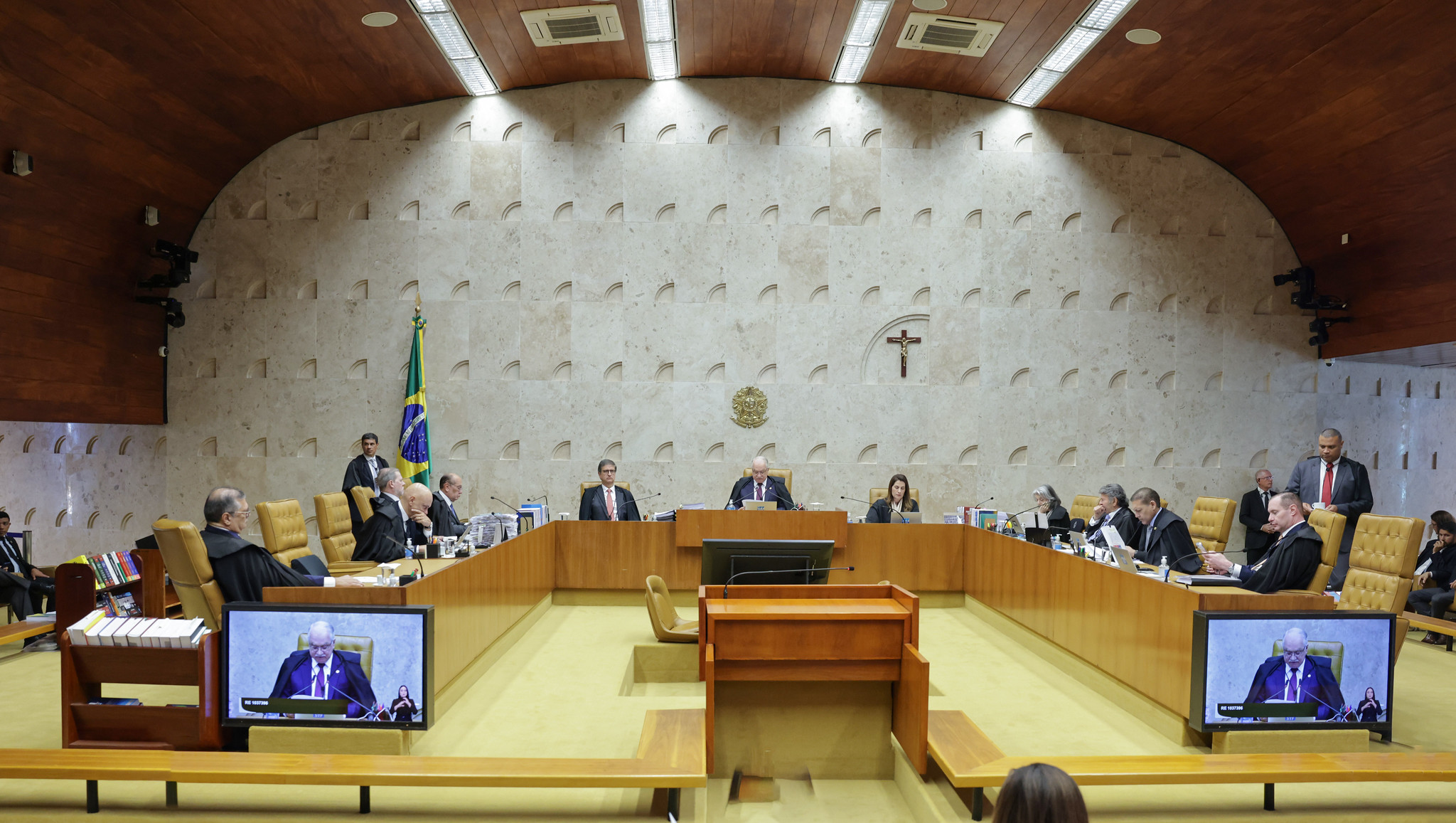
STF plenary session
Rosinei Coutinho/STF
Companies may no longer be held responsible for user content if reasonable doubt regarding cases of crimes or illicit acts is proven, without prejudice to the duty to remove the content.
It was decided that there is a relative presumption of guilt on the part of the internet application provider in the case of illicit content when it comes to advertisements and paid boosts; or artificial mechanisms for the inorganic dissemination of illicit content.
In these cases, liability does not depend on notification. Providers will be excluded from liability if they prove that they acted diligently and within a reasonable time to make the content unavailable.
The Supreme Court also defined that the responsibility of providers for the so-called duty of care occurs when there is a systemic failure, when they fail to act in a responsible, transparent and cautious manner.
Supreme Federal Court concluded judgment on the Marco Civil da Internet
Jornal Nacional/ Reproduction
The person responsible for publishing the content removed by the internet application provider may request judicially its reestablishment, upon demonstration of the absence of illegality. Even if the content is restored by court order, there will be no imposition of compensation on the provider
Internet application providers must issue self-regulation that necessarily covers a notification system, due process and annual transparency reports in relation to extrajudicial notifications, advertisements and boosts.
They must also make specific service channels available to users and non-users, preferably electronic, that are accessible and widely publicized on the respective platforms on a permanent basis. The rules must be published and reviewed periodically, in a transparent and publicly accessible manner.
Internet application providers operating in Brazil must establish and maintain headquarters and representatives in the country, whose identification and contact information must be made available and easily accessible on their respective websites.
Source: G1