Senate CCJ approves PEC that gives financial autonomy to the Central Bank
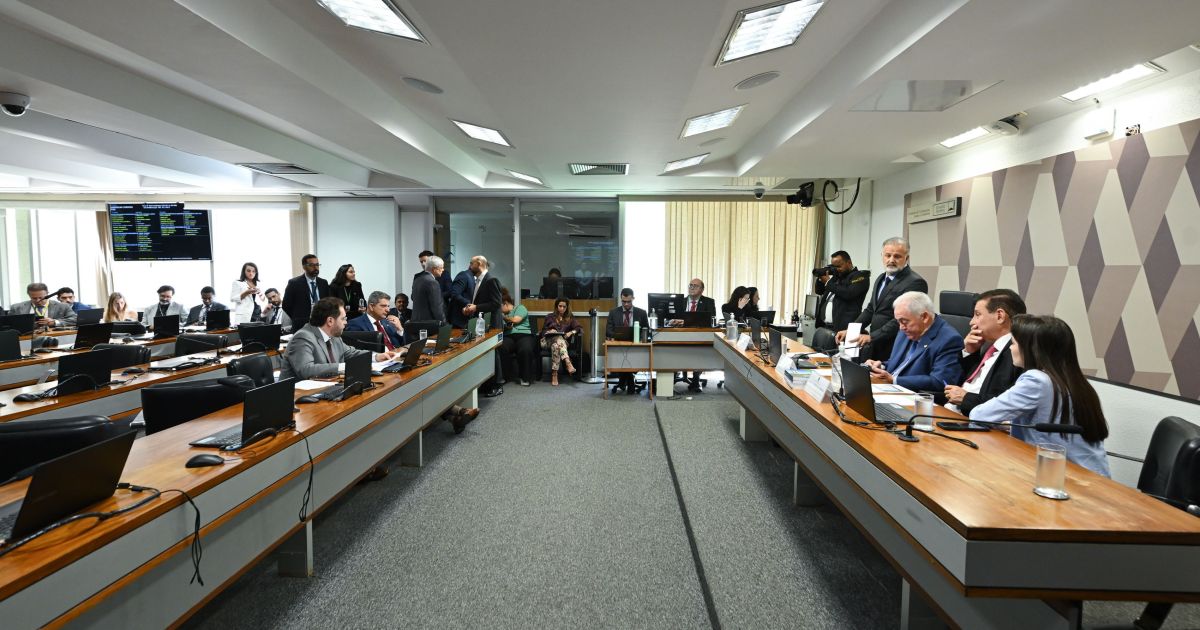
The CCJ (Commission on Constitution, Justice and Citizenship) of the Senate approved this Wednesday (10) the proposal that guarantees financial autonomy for the BC (Central Bank). The text will now go to the plenary for analysis.
In practice, the proposal expands the autonomy of the BC, approved in 2021 by Congress, by guaranteeing the institution control over its own budget and funding from its own revenue.
The government this week suggested new suggestions for the text prepared by the Ministry of Finance and Planning, with the approval of the BC. An amendment was presented by the government leader in the Senate, Jaques Wagner (PT-BA), who asked for at least a week for negotiation before voting in the plenary.
The proposal was the target of successive requests for postponements and had several versions of the opinion presented by the rapporteur, senator Plínio Valério (PSDB-AM). He rejected the new amendment suggested by the government, but said he was open to changes agreed during the plenary analysis.
Presented in 2023, the Proposed Amendment to the Constitution is the subject of an impasse between senators and faced resistance from the government. The PEC was presented by senator Vanderlan Cardoso (PSD-GO) and changes the BC's legal regime.
The latest version of Plínio Valério's opinion defines the BC as a "public entity of a special nature with technical, operational, administrative, budgetary and financial autonomy, part of the public financial sector".
The text establishes that the institution is "endowed with police powers, including powers of regulation, supervision and resolution". It also reinforces that the BC is not linked to a ministry or any public administration body or system.
In relation to the budgetary issue, the PEC determines that the budget will be approved and executed by a specific act of the Central Bank, with prior assessment by the National Monetary Council, and subsequent deliberation in the relevant thematic committee of the Senate.
Budgetary control is the main point questioned by the government. The text is defended by the president of the BC, Gabriel Galípolo, who considers the change "essential" to financial autonomy and the guarantee of resources for the monetary authority.
Currently, BC resources originate from two main sources: the Union Budget and the budget piece that details all Central Bank revenues and expenses related to typical monetary authority operations.
The rapporteur also included an excerpt in the PEC that reinforces the exclusive competence of the BC to regulate and operate Pix. The intention is to guarantee free use by individuals and the security of the tool to prevent and combat fraud.
For the rapporteur, the recent criticisms from the North American government regarding the Pix system give strength to the approval of the PEC, with the aim of protecting this mechanism.
Source: CNN