Saltier barbecue: picanha rises more than 10% in the year; see how much each cut rose
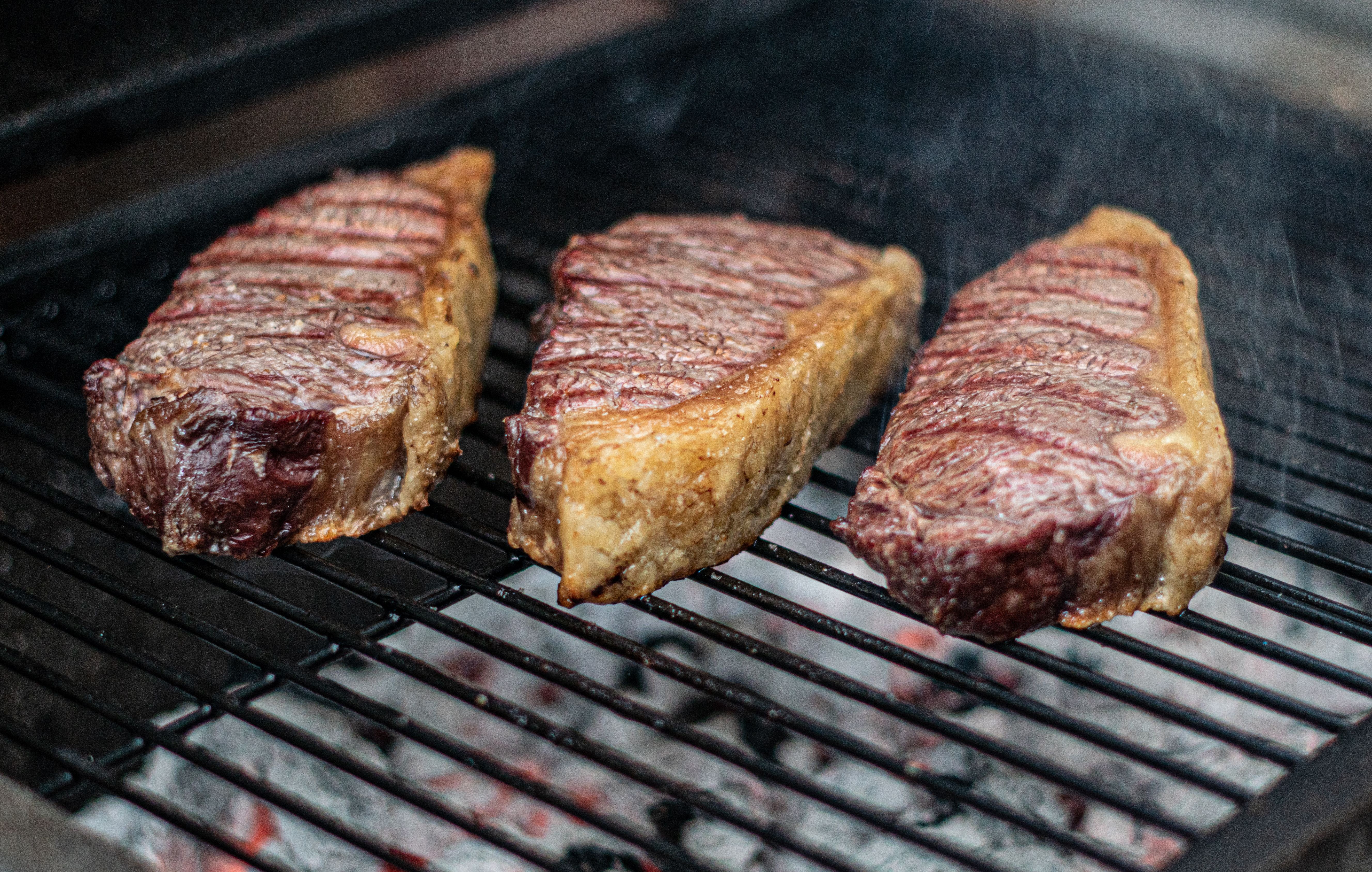
Illustrative image of beef.
George Piskov/Pexels
All cuts of beef became more expensive in the first half of this year. The picanha, Brazilian's favorite barbecue, accumulated an increase of 10.66%, while the rump rose 9.48%.
Filet mignon also registered a strong increase, of 10.2%, according to the June inflation preview released by IBGE.
Download the g1 app to see news in real time and for free
Other important cuts also saw significant increases. Beef brisket was 10.9% more expensive and chuck, 9.33%. The smallest variations were recorded in ducklings (6.61%) and termites (5.75%). See below how much each cut rose.
See how much each cut of beef rose.
Arte/g1
Why meat became more expensive
The rush by slaughterhouses to export beef to China before the end of quotas dried up domestic supply, making prices in Brazil more expensive.
"China's safeguard measure subverted the market's logic. Brazil, typically, exports more in the second half of the year than in the first. This year it will export more in the first than in the second", says Fernando Iglesias, from the consultancy Safras & Mercado.
➡ In January, China imposed a 55% surcharge on Brazilian beef exports that exceed 1.1 million tons in 2026. Below this volume, the tariff remains at 12%.
The Brazilian consumer may even have some relief in the coming months, with the temporary reduction in the pace of purchases from China. But the trend is for a new rise in prices until the end of 2026, driven by El Niño, the increase in demand in the USA and the return of China to the Brazilian market.
QUIZ: do you recognize the World Cup countries by their typical dishes?
Lower supply weighs more than consumption
Even during the World Cup, Iglesias states that meat prices have been much more influenced by the reduction in supply in Brazil than by a very strong increase in demand internal.
"One of the big problems we have in 2026 is the low purchasing power of Brazilians and the high level of debt. This scenario has been aggravated by gambling games, which have taken a lot of money out of circulation in the economy, including the consumption of basic products and food", says Iglesias.
In a monthly report, Itaú BBA's Agro Consultancy also highlighted the accelerated pace of exports as the main factor putting pressure on prices. "Despite a supply of finished cattle slightly higher than that of the previous year, export demand has well absorbed production since the beginning of the year", he says.
"With the race to fill the Chinese quota, shipments to the Asian country grew 24% in the comparison between January and May 2026 and the same period in 2025. China accounted for 51% of the total shipped", he details.
In Safras & Mercado's projections, Brazil should reach 98% of the export quota to China by the end of this month, leaving little room for exports without additional tariffs in July.
"China's temporary absence will have a negative effect on arroba prices, but, in the domestic market, there will be an increase in meat availability, which will help domestic prices during this period", says Iglesias.
"The problem is in the last quarter of the year, because it will be a period of very strong demand in Brazil, in the USA, in addition to the resumption of Chinese demand. In addition, In addition, there is El Niño, which tends to reduce the supply of cattle finished on pasture", he highlights.
"In general terms, we are going to have a situation of restricted supply with very high demand. In other words, prices tend to rise a lot", predicts Iglesias.
What about the European Union?
When asked about the impacts of the suspension of purchases of Brazilian beef by the European Union, Iglesias says that this should have little influence on prices.
"Europe only represents this. 3.5% of Brazilian beef exports. It is no longer the voracious customer it was in the past. Still, the block has symbolic importance as it is what we call a 'showcase market'.
Decisions adopted by Europeans tend to serve as a reference and end up being replicated by other countries", he says.
"Therefore, the impact tends to be more of a scratch on Brazil's image than a relevant loss of exported volume", he adds.
➡ At the beginning of May, the EU excluded Brazil from the list of countries authorized to export meat to the bloc as it considered that the country had not proven compliance with its requirements on the use of these substances in animal production. The measure comes into force on 3 September.
EU officially bans Brazilian meat from September
Source: G1