Rural property auctions soar in Brazil with increased defaults in the countryside
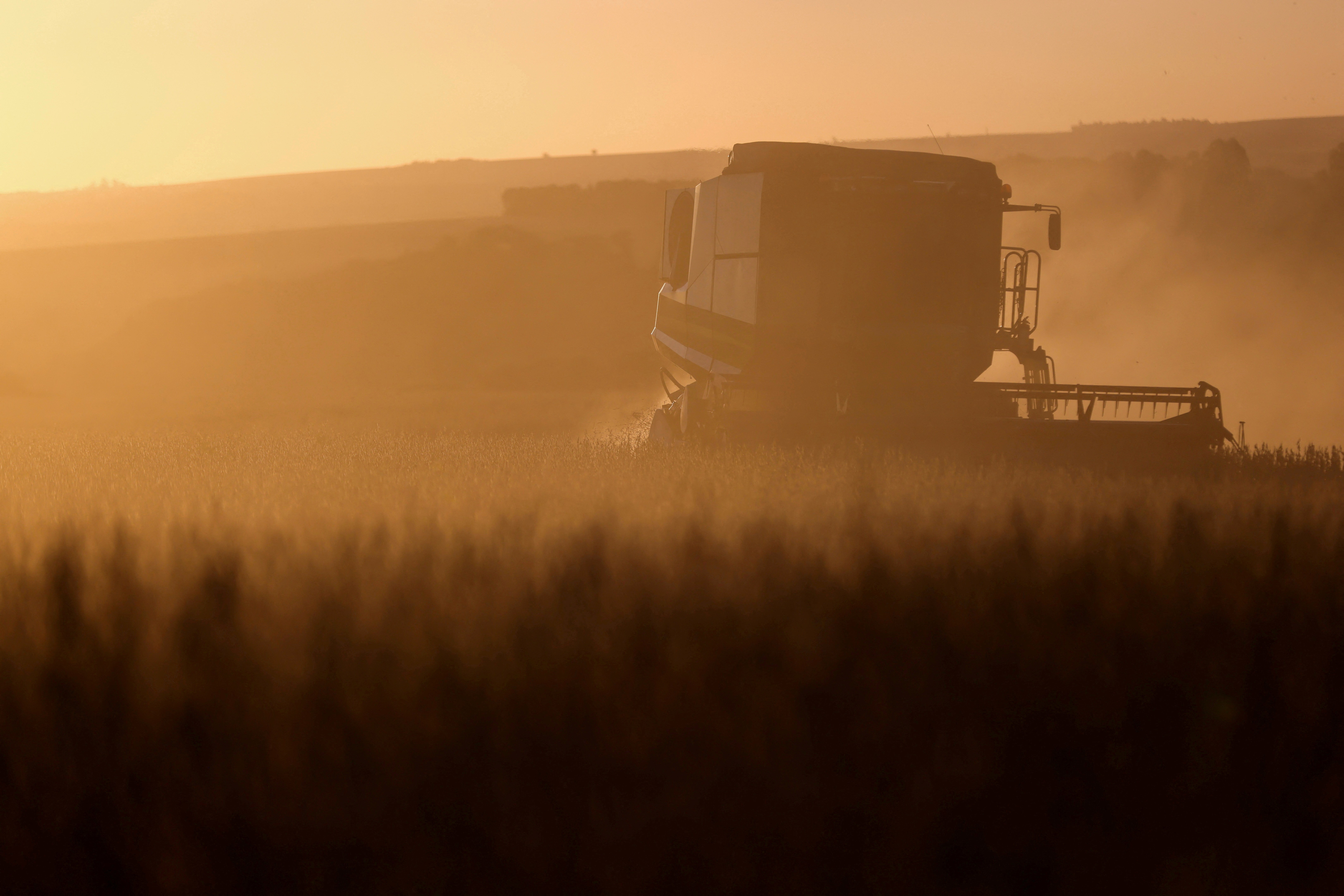
Soybean harvest in Rio Grande do Sul.
Reuters
Auctions of rural properties repossessed by creditors are growing rapidly across Brazil, according to data compiled for Reuters, as rural defaults have reached almost a fifth of loans in circulation.
Falling grain prices, high interest rates and rising input costs, coupled with the impacts of an increasingly unpredictable climate, have led to bankruptcies and the loss of rural properties in Rio Grande do Sul. country, producers and analysts told Reuters.
Do you have any suggestions for reporting? Send to g1
To make the situation worse, Brazilian farmers are preparing for the possible occurrence of a "super El Niño", which could harm crop productivity and further reduce income in the field.
In addition, the rise in fertilizer prices during the war in Iran led many farmers to reduce plans for new plantings.
Now on g1
Rio Grande do Sul is one of the states most affected by default, following the catastrophic floods of 2024, associated with the El Niño phenomenon and climate change, according to a study published in January in the journal "NPJ Natural Hazards", published by Nature.
Debts with payment problems in rural credit more than quadrupled in two years, reaching R$ 171.2 billion at the beginning of this year, according to data from the Central Bank. The share of loans in arrears in rural credit rose to 19.6%, compared to 5.5% two years earlier.
"This moment of indebtedness in the countryside is an extremely delicate moment," said the Secretary of Agricultural Policy at the Brazilian Ministry of Agriculture, Guilherme Campos, to Reuters.
Sale of rural properties
Creditors have intensified the execution of guarantees and taken more agricultural land in case of default, which has increased the number of properties taken to auction, according to data from the Leilão Imóvel website obtained by Reuters.
The volume of these auctions reached 14,219 rural properties in 2025, an increase of 30% compared to the previous year.
Properties repossessed and auctioned through extrajudicial processes - faster - almost doubled, reaching 2,398 last year.
The Real Estate Auction started to accompany around 7% more auction houses in 2025, which means that the data is not fully comparable, co-founder André Figueiredo explained to Reuters.
Still, the largest auction houses have been sharing data since 2019, which indicates a clear trend of worsening in producers' financial conditions, he said.
"The volume of rural properties has increased significantly," he said, adding that regions focused on the production of soybeans and other grains were the most affected.
Requests for judicial recovery in the agricultural sector grew 56% in 2025, after more than doubling in 2024, according to data from Serasa Experian.
Turbulent climate
Producers still face difficulties in recovering from a series of recent shocks, the person responsible for the agribusiness sector at Serasa Experian, Marcelo Pimenta, told Reuters.
According to him, factors such as adverse weather, the drop in the prices of agricultural exports - especially soybeans - and the basic interest rate, which rose from 2% to 15% in five years, have made it difficult to pay debts.
"The outlook for the future is not good," he added. "Interest rates have become very high and you don't know where commodity prices will be. The chance of shocks due to climate problems is very high."
A farmer from Rio Grande do Sul, who asked not to be identified, stated that he has difficulty dealing with "unpayable" interest rates after losses caused by extreme weather events. According to him, a creditor has already taken possession of more than half of the family's farm.
"Climate change is significant, it is evident. We are not able to produce at one time due to too much rain and another due to too much sun. So I tell you this: the climate factor is the factor that put us in this position."
Source: G1