Resumption of war? Understand the attacks between the US and Iran
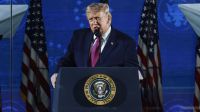
US President Donald Trump says the ceasefire agreement he signed with Iran exactly three weeks ago is "over."
What this means in practice is still unclear.
Trump, who warned last month of an "economic catastrophe" if the war continued, remains under the same political pressure to see the conflict end.
The US and Iran had already been carrying out retaliatory attacks: Iran against commercial ships transiting the Strait of Hormuz and Washington retaliating against Iranian military installations.
The attacks sent oil prices soaring.
Trump had also already revoked a key clause in the agreement that allowed Iran to sell its oil on the global market.
In his fiery speech in Ankara, Trump said he would allow his negotiators to continue pursuing a broader nuclear deal with Iran, but dismissed the exercise as a "waste of time."
Responding to what he called an "interesting question" about the status of the deal, the president suggested there was little to be gained by negotiating with "crazy people."
A team led by Vice President JD Vance had a deadline of 60 days to secure technical concessions from Tehran to curb its nuclear ambitions.
These negotiations, however, progressed slowly and focused mainly on implementing the Memorandum of Understanding, signed by Trump at the Palace of Versailles on June 17.
The mediators of the agreement, led by Pakistan and Qatar, will certainly now try, hastily, to revive the agreement.
But another actor - Israel - may have interpreted Trump's comments differently. Deeply skeptical of his diplomatic attempts with Iran, Prime Minister Benjamin Netanyahu may see the president's comments as an opportunity to continue operations both in Lebanon, against Hezbollah, and in Iran itself.
Why is the Strait of Hormuz so important to the world economy?
Source: CNN