Rare and silent disease in babies can be prevented with a heel prick test
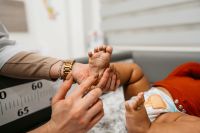
In one in every 25 thousand births, a rare genetic disease, PKU (Phenylketonuria), is identified, detected through the Heel Prick Test.
The disease prevents the body from properly metabolizing Phenylalanine, an amino acid present in foods and, if treatment is not carried out, its accumulation can cause irreversible neurological damage, compromising cognitive and motor development.
Although there is no cure, the condition can be controlled if diagnosed early and with monitoring from the first days of life and continuing permanently, being treated with a restricted protein diet and specific nutritional supplementation.
Understand how the new test that speeds up diagnosis of rare diseases works | LIVE CNN
Celebrated on June 28th, International Phenylketonuria Day aims to increase knowledge about the disease, encouraging early diagnosis and reinforcing the importance of access to treatment.
The operational supervisor of the neonatal screening service at the IJC (Instituto Jô Clemente), Mirella Carneiro, states that "when Phenylketonuria is identified shortly after birth, through the Heel Test, treatment is started immediately and it is possible to avoid serious neurological sequelae, such as intellectual disability."
The treatment of Phenylketonuria is based on a strictly controlled diet, restricting proteins and specific nutritional supplementation, requiring specialized monitoring and continuous access to adequate foods.
Autoimmune diseases: how can genetics and environment affect conditions? | Vital Signs
Mariana Ferra, Supervisor of the Divina Dieta food line, developed by IJC explains that "when families better understand the condition and have access to practical guidance, they are able to face everyday dietary challenges with greater security and quality of life."
As part of an action to celebrate International Phenylketonuria Day, the IJC provides a food table to organize your daily diet and a booklet with information about the disease.
The material is available free of charge and can be accessed by filling out a form available on the Institute's website.
*Under the supervision of Thomaz W. Coelho
Heelfoot test: what it is, what it's for and when it should be done
Source: CNN