Rain leaves dead, causes landslides and paralyzes Mumbai, India
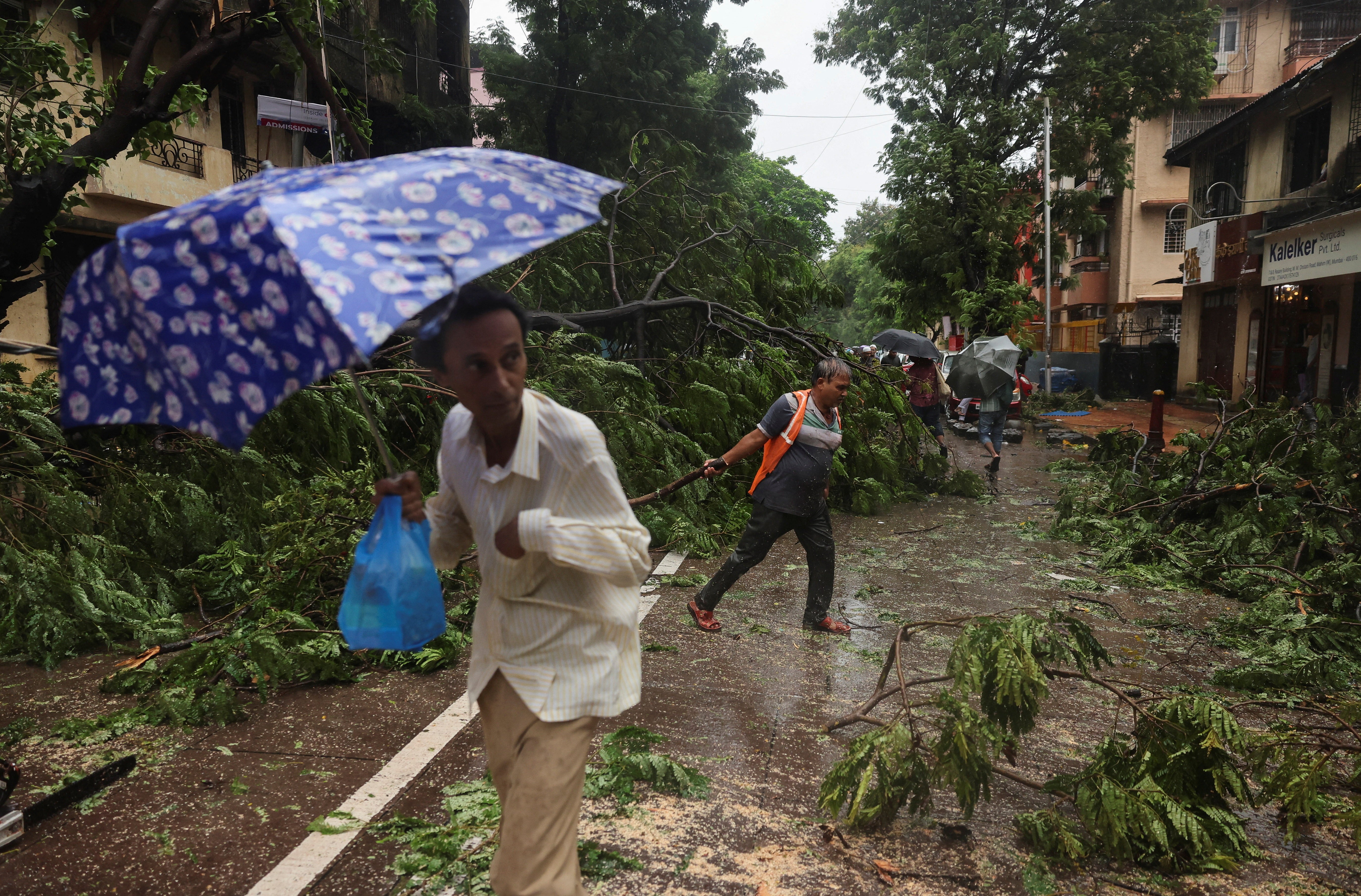
Rain closes highway and paralyzes transport in Mumbai, India
Heavy monsoon rains caused damage, flooding and the interruption of transport services in Mumbai, the financial capital of India, and in several parts of the western and central regions of the country on Sunday (5). At least six people, including a woman and five children, died after a group of properties collapsed in the Mankhurd area, in the city's eastern suburbs.
The volume of rain in Mumbai surpassed the 100 mm mark, with peaks of up to 161 mm in some regions. In addition to the collapse of multi-story houses in the community, the storms caused trees to fall on wiring and public roads.
In one of the incidents, at around 10:30 in the morning, a large tree fell and crushed between 7 and 8 vehicles. Since the end of last month, falling trees had already left three other people dead in the city.
The rains also caused landslides on the highway that connects Mumbai to the city of Pune, forcing the road to be completely closed. Television images recorded slabs of construction debris scattered across the asphalt and water gushing from the roof of a tunnel.
A worker removes fallen trees after heavy rains in Mumbai, India.
Francis Mascarenhas /Reuters
Faced with the risk of further accidents, Indian authorities said they had installed audio systems in 225 villages mapped as areas prone to landslides. Monitoring officers were assigned to these locations to issue constant alerts to residents, assess the situation in real time and coordinate evacuations or emergency decisions.
The region's transport infrastructure was severely affected:
Flights suffered delays and disruptions at the airport;
Long-distance travel, including the lines connecting Mumbai to Pune, were cancelled;
Urban roads were flooded, and schools and colleges were closed on Monday (6).
Climatic contrast and impact on the economy
The period of severe storms in July comes shortly after the India Meteorological Department (IMD) reported that the country recorded its fifth driest June since historical records began in 1901. The delay and irregularity of the monsoons raise serious concerns about the country's agricultural production and economic growth, valued at almost US$4 trillion.
The monsoons are responsible for about 70% of rainfall in India and are essential for supplying water resources. Almost half of the country's cultivable land depends exclusively on these rains due to the lack of irrigation systems, and around half of the Indian population derives its livelihood directly from agriculture.
A worker removes a fallen tree after heavy rains in Mumbai, India.
Francis Mascarenhas / Reuters
Despite the devastating volume recorded over the weekend in Mumbai, the official forecast by the director general of the IMD, Mrutyunjay Mohapatra, indicates that the rainfall will accumulate for the entire month July in the country is expected to be below 94% of the long-term historical average.
For this Monday, the forecast indicates a reduction in the intensity of rain, projecting a period of "very light to light rain" in several parts of the national capital region.
*With information from Reuters.
GIF Flooding in India after heavy rains.
Reuters
Source: G1