Possible change in the sale of LPG favors crime, experts say
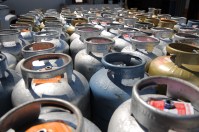
The ANP (National Petroleum Agency) resumes this week the discussion on changes in the distribution and sale of LPG (Liquefied Petroleum Gas), which has left experts and members of the oil and gas segment on alert.
LPG, also known as "cooking gas", is present in around 90% of Brazilian homes and has strict safety rules regarding the marketing of the product.
According to the ANP, the review of the distribution and resale regulatory framework is taking place to allow for greater supply in the market and increased competitiveness in the sector. Among the proposals on the discussion table are permission for partial refilling of cylinders and authorization for a company to fill containers from other brands.
Experts consulted by CNN differ from the view that such changes will be beneficial to the market and state that the propositions open the doors for organized crime to enter business.
"Brazil today is a benchmark in the LPG market, which is completely formal, different from that of fuels. The quality of the cylinder meets high standards, but if we start to 'flexibility', we will see the same phenomenon that happens in liquid fuels such as gasoline and diesel, with tax evasion and adulteration making criminals' businesses viable", said Adriano Pires, founding partner of CBIE (Brazilian Center for Infrastructure and Energy).
Behind the scenes, defenders of flexibility highlight that a possible entry of organized crime is "a matter for the police", and not the responsibility of the agency. Supporters of the change understand that uncertainty regarding legal security in the sector cannot prevent the market from being competitive with new entrants.
For David Zylbersztajn, columnist at CNN Infra, it is not worth giving space to the increase in crime, as the measures do not make sense from an economic point of view and do not benefit the consumer.
"I believe that this model will greatly favor the expansion of crime... and the consumer will not benefit in the end, because they will have less security in relation to the cylinder", he declared.
The rapporteur of the Security PEC in the Chamber, deputy Mendonça Filho, said on social media that he will formalize a request for information and a public hearing for the ANP to explain the reasons for such measures, if they are implemented.
"Criminal factions dominate the sale of cylinders in the outskirts of Brazil and will move forward with the changes that the ANP wants to make in the cooking gas market. Absurd: creating decentralized distribution bases and freeing distributors to fill and sell cylinders of any brand", he wrote.
To CNN, Mendonça Filho said that, if necessary, he will seek to formalize a PDL (Project Legislative Decree) so that there is no escalation in crime following the changes.
Safety
Experts point out significant concerns related to consumer safety and logistics for the product to reach Brazilian homes.
"Today, cylinders come with the brand of the bottling company. This gives you more security in terms of who is supplying you and, mainly, the quality of the cylinder", explained Zylbersztajn.
The former director general of the ANP warned of the increase in logistical movement that fractionation would require. A person who uses one cylinder a month would have to change more frequently, requiring a filling infrastructure that, according to him, simply does not exist at the moment.
Adriano Pires added that, due to the complexity of handling LPG, accidents may become more frequent - but there is no definition of who will bear the losses caused.
"It is worth remembering that handling a cylinder is dangerous, which is why it must have a safety guarantee. If one of them explodes and causes damage to a family, the supplier company is the one who pays. Now, with an unbranded fractional cylinder, if an incident happens, who will pay the bill?", asked Pires.
Old debate
Possible changes to the sector's regulatory framework were on the agenda of the ANP board meeting held on May 29, but the debate was postponed at the rapporteur's request to "deepen" the assessment.
In a note sent to CNN, the ANP highlighted that, if the proposals are approved by the board, they will still be subject to public consultation and hearing.
"The objective of the review of the distribution and resale regulatory framework by the ANP is to contribute to the development of the LPG (cooking gas) market and access to the product by different segments of society, to the benefit of consumer prices, preserving adequate safety levels", the ANP pointed out in a note to CNN.
The review of the LPG regulatory framework, which is on the ANP's regulatory agenda, began in June 2023. However, discussions about changes to make the marketing of the product more flexible have been going on for ten years.
After last week's postponement, the item that brings the changes will return to the agenda on June 12th, when the proposal will be presented for consideration by the ANP board.
Source: CNN