Poisonous mammals: discover species that defy "natural logic"
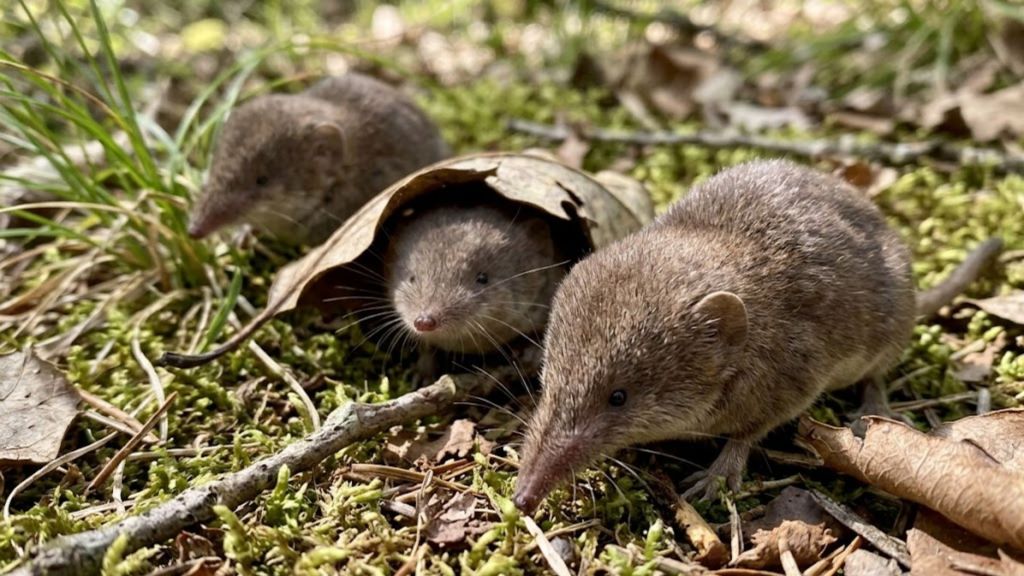
The production of toxic substances is generally attributed to reptiles and arachnids in the animal kingdom, but a select group of venomous mammals use this biological strategy for survival.
Species such as the platypus and the slow loris have specific mechanisms for using toxins, whether to immobilize prey or guarantee territorial defense, revealing a lesser-known side of the evolution of this class.
Hunting and immobilization strategies
Shrews and solenodons, belonging to the order Eulipotyphla, are among the examples of mammals that use venom for food.
Small mammal with toxic saliva injected through bites to immobilize prey such as insects and worms, facilitating its feeding in the wild - Google - Image generated by Artificial Intelligence
These animals have toxins in their saliva that are injected through bites to immobilize prey, such as insects and worms. In humans, contact with this substance can cause pain, burning and temporary inflammation.
Defense and territorial disputes
The platypus has a unique characteristic. It has spurs on the heels of its hind legs.
Males have poisonous spurs on their hind legs for defense and territorial disputes, causing intense pain in humans without being lethal - Google - Image generated by Artificial Intelligence
Only males produce venom, and the potency of the substance increases during the mating period, indicating its use in disputes over females and territory.
Although the toxin is not lethal to humans, it can cause intense pain and has no specific antidote.
Another relevant case is that of the slow loris, the only known venomous primate. It has glands on the inside of its front paws that secrete toxins.
The only venomous primate, it secretes toxins on its paws and mixes them with saliva to make its bite dangerous in defensive attacks - Google - Image generated by Artificial Intelligence
By licking these glands, the animal mixes the secretion with saliva, making its bite capable of causing anaphylaxis in humans.
Adaptations for feeding
Unlike species that use toxins for paralysis or pain, vampire bats have saliva with anticoagulant properties.
It uses saliva with anticoagulant properties to prevent wounds from healing, allowing it to feed on blood more efficiently - Google - Image generated by Artificial Intelligence
Technically classified as venom, this substance prevents the immediate healing of the victim's wound, allowing the animal to feed on blood more efficiently.
Source: CNN