Paul Simon harshly criticizes Paul McCartney's 1972 political song: "It offends me"
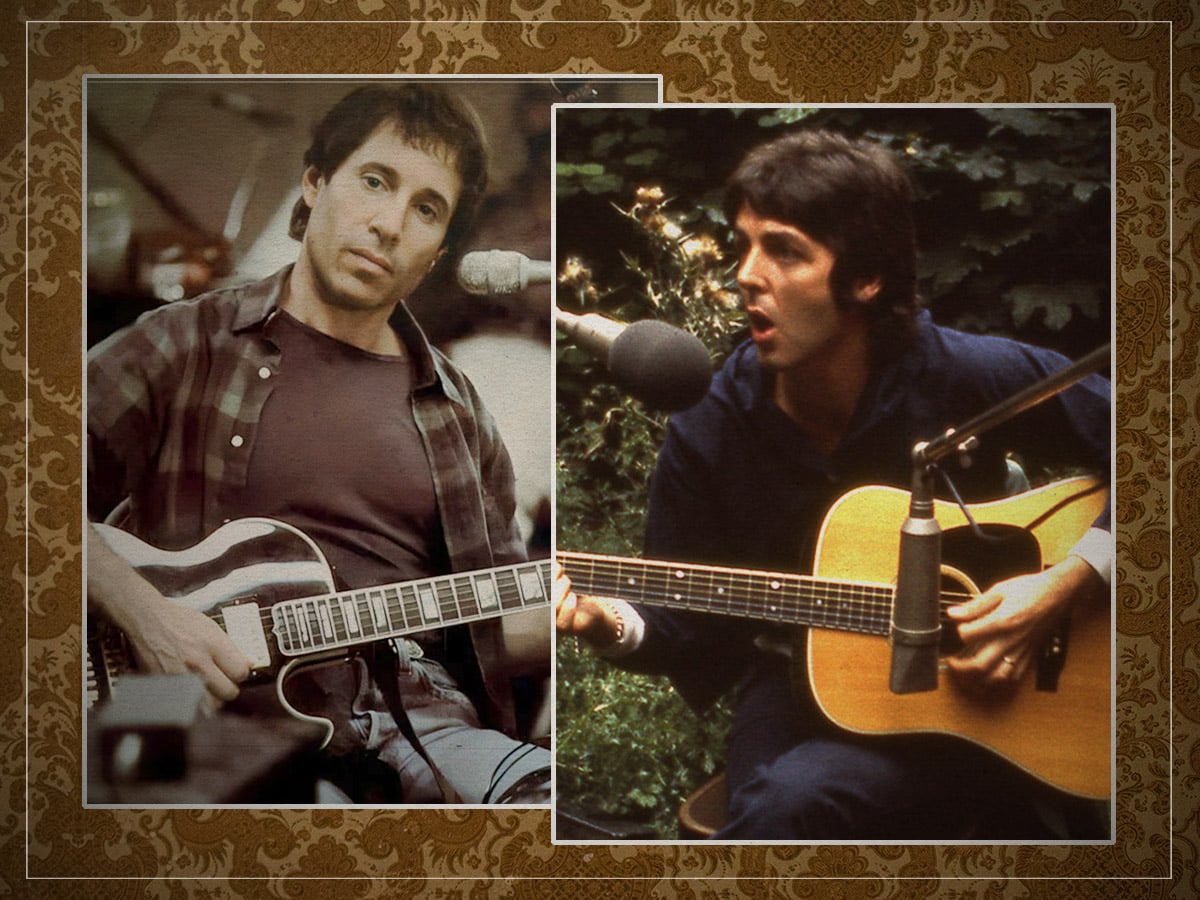
Paul McCartney and Paul Simon are two of the most revered names in music history, recognized for their exceptional skills as songwriters. Despite the mutual admiration they often display, there were times when their views on music and politics diverged profoundly. An emblematic episode of this difference is Paul Simon's scathing rejection of McCartney's 1972 political song, "Give Ireland Back to the Irish".
The trajectory of these two artists is marked by respect and mutual recognition. Simon even placed McCartney on the same level as legends like George Gershwin and Hank Williams, while McCartney praised Simon's work, highlighting classic lines like "America" and recognizing his contribution to expanding the limits of modern pop music. Both grew up in a period of cultural effervescence, where music often dialogued with social and political movements.
However, Paul Simon has always maintained an analytical and critical stance, especially with regard to political involvement in music. In an interview with Rolling Stone in 1972, he expressed his opinion that the main duty of a serious musician is to improve his art, highlighting the scarcity of truly competent professionals in the music industry. Simon criticized the growing value of fame and success to the detriment of artistic quality, pointing out that the music market was increasingly linked to capitalism and that this relationship made the separation between art and commerce illusory.
It was in this context that Simon assessed McCartney's song "Give Ireland Back to the Irish" as a negative example of political engagement in music. He branded the song "trash", criticizing its superficial approach and the way the lyrics seemed disconnected from the complexity of the conflict in Northern Ireland known as The Troubles. For Simon, McCartney's attempt to make a political protest sounded artificial and ineffective, even comparing the strangeness of some phrases in the song to controversial statements by political figures like Donald Trump.
Simon argued that while there are political songs that work well both as art and as a social statement - citing "La Marseillaise" and "We Shall Overcome" as examples - the mass production of songs with political appeal, made solely to capitalize on a cause, was tasteless and offensive. He believed that sincerity and musical quality are essential for a political message to truly resonate, and that good intentions are no substitute for good artistic work.
Despite Simon's criticism, "Give Ireland Back to the Irish" reached the top of the charts in the Republic of Ireland and had an impact even among Basque separatists in Spain, demonstrating that McCartney's music, although simplified and commercial, managed to strengthen a movement in which he had conviction. This raises an important reflection on the role of art: even if not everyone appreciates the form or content, music can serve as an instrument of political mobilization and expression.
In short, Paul Simon's rejection of Paul McCartney's political song in 1972 reveals not only a personal disagreement, but also a critical view of the relationship between music, politics and artistic authenticity. While McCartney sought to use his influence to support a cause, Simon argued that the true value of music lies in artistic excellence and integrity, regardless of the messages it may carry.