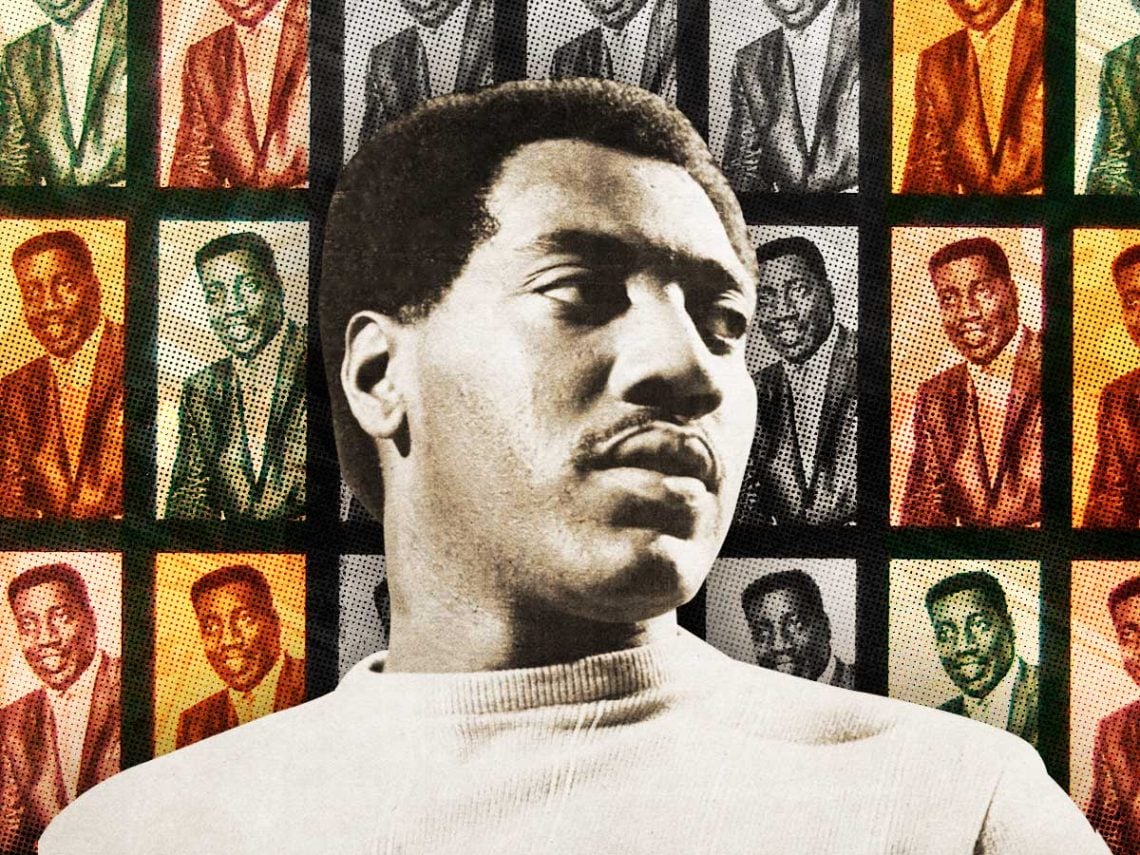
Otis Redding: The Complete and Tragic Story of the Soul Icon's 1967 Death
Por Equipe Editorial CifraNET · 26/06/2026
Publicidade
At the end of 1967, amid a turbulent scenario in the United States marked by social conflicts and the end of the so-called "Summer of Love", the world of music lost one of its greatest voices: Otis Redding. At age 26, the singer-songwriter from Macon, Georgia, was buried just before Christmas, leaving a legacy that would surpass his short life and career.
The funeral ceremony brought together great names in soul music, such as James Brown, Aretha Franklin and Stevie Wonder, who positioned themselves as heirs to the torch left by the "King of Soul". Jerry Wexler, an Atlantic Records executive who worked with Redding and delivered the eulogy, described him as "a natural prince" whose presence conveyed love and an immense faith in human possibilities, reflected in the inspiring power of his recordings.
Three days before his death, Otis had recorded the iconic song "(Sittin' On) The Dock of the Bay", which reached the top of the charts after its posthumous release, establishing itself as a kind of musical epitaph. Wexler highlighted that the song showed that it was possible for an artist to follow their own path and still achieve commercial success, in addition to expanding the reach of soul music to young white audiences, something previously uncommon.
What is impressive about Otis Redding's songs is the emotional maturity and depth that his voice conveyed, despite his youth. His timbre carried the pain, wisdom and passion of someone much older, as if he were a preacher or an experienced singer, which surprised those who knew him personally. Mitch Ryder, who shared the stage with him in his last television appearance, recalled Otis's imposing physical presence and the energy he conveyed during the performance.
Redding was married with three children, living a comfortable life for an artist who had released his first album, "Pain In My Heart," in 1964, when he was 23 years old. His career, although brief, was marked by a clear artistic vision and a desire to become an international star, as well as filling the space left by the death of his idol, Sam Cooke, murdered in 1964.
Otis not only composed hits such as "Respect", "Mr Pitiful" and "I Can't Turn You Loose", but also masterfully performed songs by other artists, such as "A Hard Day's Night" by the Beatles and "Satisfaction" by the Rolling Stones. His humility and generosity were notorious, as reported by his musical partner Steve Cropper, who highlighted the kindness and recognition that Otis always showed for the musicians around him.
Tragedy struck on the night of December 10, 1967, when Otis Redding and his backing band, the Bar-Kays, departed Cleveland in a small private plane after an appearance on the TV show "Upbeat" and shows at a local club. The trip was destined for Madison, Wisconsin, but the plane crashed into Lake Monona, about three miles offshore, amid adverse weather conditions.
In addition to Redding, the pilot, personal assistant and four young members of the Bar-Kays band died in the accident: Jimmie King Jr (guitarist), Carl Cunningham (drummer), Ronnie Caldwell (keyboardist) and Phalon Jones (saxophonist). They were all between 18 and 20 years old, full of talent and hope under the tutelage of Redding and the record label Stax Records. The only survivor was trumpeter Ben Cauley, who managed to escape the plane and resisted the cold until he was rescued.
Bassist James Alexander, who was not on the flight because he chose to travel by commercial plane, lived with the weight of guilt for having survived, in a situation similar to that of musician Waylon Jennings in the accident that killed Buddy Holly.
A unique account of the night before the accident comes from journalist Joe Eszterhas, then 23 and a future Hollywood screenwriter, who spent hours talking to Otis after his last performance. They became fast friends, exchanging phone numbers and planning new meetings. The following day, Eszterhas received the devastating news of the singer's death via teletype from the Associated Press agency, a shock that marked his vision of the harsh reality of America at the time.
The news of Otis Redding's death resonated deeply with his fellow musicians in Memphis, where he had recorded most of his hits. Steve Cropper, guitarist and songwriting partner, summed up the feeling of loss by stating that the entire world felt the absence of the artist, who was beginning to transcend traditional rhythm and blues to reach global audiences.
Otis Redding remains to this day a legend of soul music, an artist who, despite his short career, left an indelible mark on world music and culture. His young and powerful voice continues to move generations, reminding us that although he left early, his legacy is eternal.
Credit: Far Out / Wikimedia / Flickr