OPEC+ approves new increase in oil production amid the crisis in the Middle East
Lebanon accuses Iran of using the country as a bargaining chip in negotiations with the USA
OPEC+ agreed this Sunday (7) to a fourth consecutive increase in its oil production targets in the last four months, the organization said in a statement.
However, the war between the United States and Iran continues to prevent several members of the group from expanding their production.
Download GloboPop to watch short vertical videos from Globo
The conflict interrupted the flow of oil through the Strait of Hormuz, causing the biggest supply crisis in history.
As a result, important OPEC+ members, including Saudi Arabia, have been unable to fully serve their customers since the end of February.
The situation worsened after the United Arab Emirates left the Organization of the Petroleum Exporting Countries (OPEC), ending a participation of almost 60 years.
Seven of the main members of OPEC+ - an alliance that brings together OPEC and allied producing countries, such as Russia - increased their production quotas between April and June by almost 600 thousand barrels per day.
In practice, however, the group's production plummeted due to the reduction in the countries' exports of the Gulf.
According to OPEC data, average production fell to 33.19 million barrels per day in April, compared to 42.77 million recorded in February.
This Sunday, the seven countries decided to raise production targets by 188 thousand barrels per day from July, according to the statement.
The volume is the same as that approved for June, after being reduced in relation to the increases of 206 thousand barrels per day adopted in April and May to reflect the departure of the United Arab Emirates from the group.
Of the 21 OPEC+ members meeting this Sunday, seven participated in the decision: Saudi Arabia, Iraq, Kuwait, Algeria, Kazakhstan, Russia and Oman.
In recent years, only these countries - in addition to the United Arab Emirates, when they were still part of the organization - have participated in deliberations on the alliance's production policy.
Another three meetings of OPEC and OPEC+, including a meeting with all the alliance's ministers, were also scheduled for this Sunday.
According to OPEC+ sources, there are no expectations of changes in production policy during the ministerial meeting.
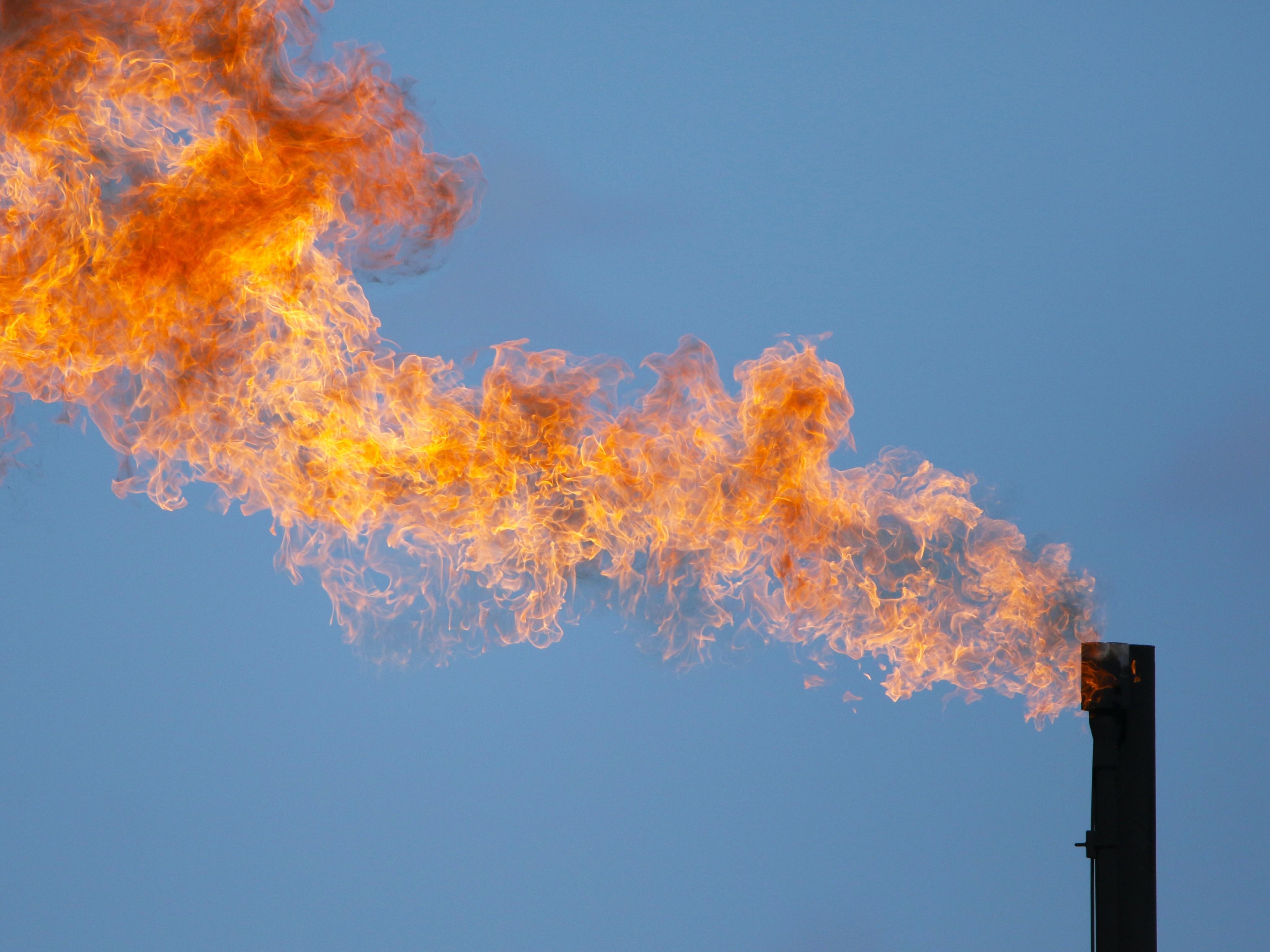
The burning of fuels in oil production is a known source of methane emissions.
Leslie Von Pless/NASA
Source: G1