Oil, inflation and stock markets: the economic damage left by the war between the USA and Iran
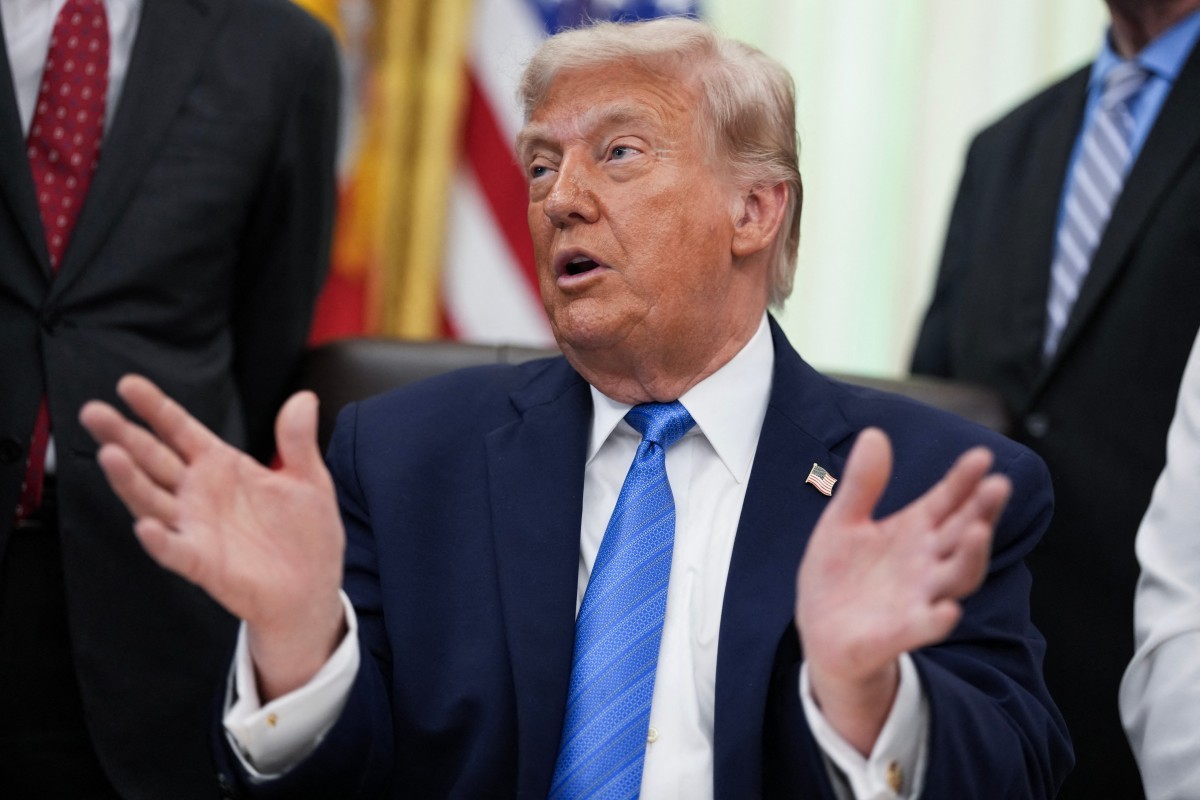
Trump and the president of Iran sign a peace agreement, which is now in force
The peace agreement between the United States and Iran ends an almost four-month conflict in the Middle East. Regardless of the questionable motivations of American President Donald Trump, the fact is that the war has damaged the global economy.
The interruption of the flow of oil in the Strait of Hormuz has caused a series of problems. The price of the commodity soared, fuels and their derivatives put pressure on inflation in several countries, and future prospects for the economy deteriorated.
Do you have any suggestions for a report? Send it to g1
The result is that prices rose for consumers, while the financial market accumulated losses with the review of investment strategies. In this scenario, stock markets fell and the dollar strengthened.
Now, with the end of the conflict, economists are trying to estimate when the economy will show signs of normalization. G1 listed the main effects of the war on the economy and the possible solutions for recovery.
See in this report the main impacts on:
Higher oil and fuel prices
Higher inflation in the USA and a drop in Trump's popularity
The effects on Brazil
Impacts on the financial market
Worsening growth projections for the global economy
The President of the United States, Donald Trump, speaks during a ceremony in the Oval Office of the White House, in Washington, D.C., on June 10, 2026.
Ken Cedeno/AFP
High oil and fuel prices
The conflict was marked by the closure of the Strait of Hormuz, a strategic route through which around 20% of the oil and 25% of natural gas sold in the world passes. After the attacks began, the price of a barrel almost doubled, going from around US$70 to almost US$120.
Analysts even classified the episode as the biggest oil shock ever recorded, surpassing the crises of 1973, 1979 and 2022. To increase the supply of the commodity and contain the spike in prices, the International Energy Agency (IEA) carried out the largest emergency release of stocks in its history.
Still, the rise in oil prices was not dampened enough and put pressure on inflation in several countries. The impact first hit fuels and their derivatives and then spread to transport, industry and even agricultural production:
Fertilizers became more expensive, with urea rising by around 60%.
The increase in aviation fuel contributed to the cancellation of thousands of flights.
Sea and road freight rose, making food and consumer goods more expensive.
With the announcement of the peace agreement this week, the market began to stabilize. This Thursday (18), Brent oil fell to US$78.33 per barrel, relieving some of the pressure on inflation. Still, it is almost US$10 more expensive than before the conflict began.
High US inflation and fall in Trump's popularity
The American president began his second term promising to reduce the cost of living. But, also in the US, the rise in oil prices raised the price of fuel - one of the most sensitive items for Trump's voters.
The average price of a gallon of gasoline in the US jumped from around US$2.98 to more than US$4.
In May, consumer inflation reached 4.2% in 12 months, the highest level in three years.
The index moved further away from the Federal Reserve's (Fed, the US central bank's) target of 2%.
As the Fed uses interest rates to control inflation, the institution maintained the base rate in the range of 3.50% to 3.75% per year at its meeting on Wednesday (17), further postponing the expected reduction in the US.
This economic blow caused an even sharper drop in Trump's approval.
In 2025, Donald's approval Trump had dropped from 42% in April to 40% in July, amid the effects of tariffs imposed on US trading partners.
With the war and a new acceleration in inflation, his popularity reached the worst level of his second term in April this year, reaching 34% approval.
Reuters/Ipsos polls showed that 63% of Americans disapproved of the government, while only 36% approved of it. In the economic area, approval was even lower, at 27%, the worst result in the institute's historical series.
The decline in gasoline prices in recent weeks brought a modest improvement. Approval of Trump's performance in combating the cost of living rose from 22% to 24%, but the president remains well below the levels recorded at the beginning of his term.
See more in the report below:
What is behind Trump's popularity crisis and what are the repercussions in the world
The effects in Brazil
Data from the National Petroleum, Natural Gas and Biofuels Agency (ANP) show that diesel and gasoline prices in Brazil have reached accumulating increases of 23.6% and 8%, respectively, in recent months - and it didn't take long for the consumer to feel the effect of this in their pockets.
The government even announced a package of measures to contain fuel prices at the pumps, but was unable to avoid the impacts on the cost of shipping, for example - which generated a chain effect and put pressure on the prices of several items in the consumer basket.
➡ The Broad Consumer Price Index (IPCA), considered the country's official inflation, accumulated an increase of 3.20% in the year up to May. In 12 months, the index increased 4.72%, above the target ceiling for 2026, of 4.5%.
With the pressure on prices and the uncertainty caused by the war in recent months, financial market projections for interest rates have also worsened.
The Focus Bulletin from last Monday (15) shows that market economists expect a Selic rate of 13.75% per year in 2026, an increase of 0.25 percentage points (p.p.) in relation to the previous week.
This means that the market expects high interest rates for longer, which should continue to make credit more expensive and could limit the consumption of Brazilian families.
Among the main sectors of the economy, the effects were varied. On the one hand, oil exporters benefited from the rise in prices. On the other hand, segments dependent on the commodity felt the impact on the prices of derivatives.
The result is widespread pressure on the Brazilian economy, with effects ranging from the consumer's pocket to the performance of productive sectors.
See the impacts of the war around the world
War in Iran: how countries try to contain the impact of the energy crisis on families
Countries warn of the prolonged impact of the conflict in the Middle East
War in the Middle East: effects on the economy will be lasting and throughout the world, says IMF
Impacts on the financial market
Uncertainties about the duration of the conflict and its impacts on the global economy were also reflected in foreign exchange and stock markets around the world.
As is often the case, the start of the war brought an appreciation of the dollar. This happens because the American currency is seen as one of the safest assets in the world and is usually preferred by investors in times of uncertainty, as a way of protecting their investments.
In Brazil, the dollar reached its highest level of the year on March 13, the month after the start of the conflict, when it was quoted at R$ 5.3142, driven by the rise in oil prices.
In the following months, the scenario began to change, as the initial uncertainties dissipated and the market began to have more clarity about which countries and sectors would be most impacted by the war.
As a result, investors reduced their dollar positions and began to seek riskier assets - a movement that favored the real. Year-to-date until Wednesday (17), the American currency registered a devaluation of 6.94%.
The movement was similar in the stock markets: at first, investors withdrew resources from riskier assets and then started betting on securities that could benefit from the new scenario.
It is worth highlighting that other factors also influenced prices in recent months, such as the tariff imposed by the Trump administration, Brazilian fiscal policy, corporate news and economic data from Brazil and the States United States.
In the year to last Wednesday, the Ibovespa, the main index of the Brazilian stock exchange, registered an increase of 4.38%.
Worsening growth projections for the global economy
Before the conflict between the USA and Iran, the forecast was that global growth would slow down only moderately, with inflation losing strength and allowing for a more stable economic environment.
With the escalation of the war, however, the scenario worsened. Rising prices for oil and other raw materials have raised production, transport and energy costs in several countries, fueling inflation and further reducing growth prospects.
The International Monetary Fund (IMF) has reduced its growth projection for the world economy in 2026 from around 3.3% to 3.1%, citing the impacts of the war on commodity prices, financial conditions and investor confidence;
The Organization for Economic Co-operation and Development (OECD) started to estimate a slowdown in global growth, from 3.4% in 2025 to 2.8% in 2026. The organization warned that, if the energy crisis were to continue, global expansion could fall to just 2.1%, a level associated with periods of strong economic slowdown;
Countries such as Germany and France had their projections reduced due to the increase in energy prices, which reduced the purchasing power of families and increased costs for companies.
Even With the recent improvement, IMF and OECD assess that recovery will depend on maintaining stability in the Middle East and normalizing global energy supplies.
Source: G1