Abvidro goes to Cade against Petrobras for abuse of dominant position
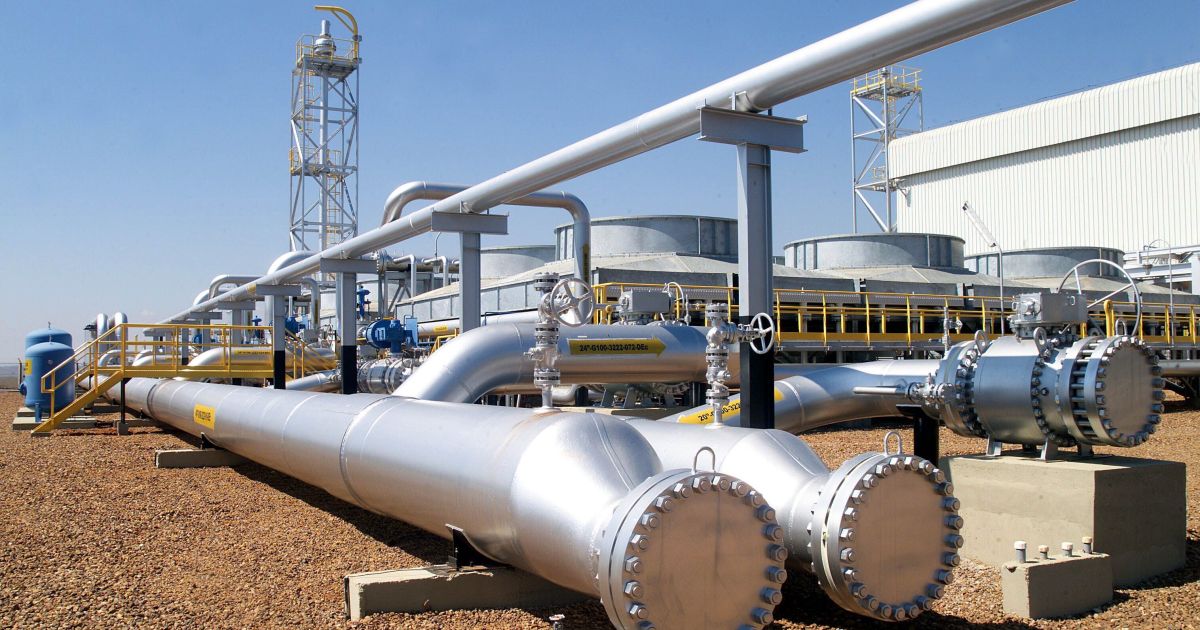
Abvidro (Brazilian Association of Glass Industries) filed a representation with Cade (Administrative Council for Economic Defense) against Petrobras for alleged abuse of a dominant position in the natural gas market.
The entity argues that the state-owned company prevents the opening of the sector by preventing non-discriminatory and negotiated access by interested third parties to production flow pipelines and natural gas treatment or processing facilities.
In practice, this makes it difficult for new producers to enter and would keep prices paid by the industry high.
The center of the dispute is the so-called "non-discriminatory and negotiated access" to this infrastructure, a right provided for in the New Gas Law (Law nº 14,134/2021) as one of the pillars of the opening of the Brazilian market.
In Abividro's assessment, although the legislation determines that third parties can negotiate the use of these structures, a significant part of the infrastructure remains concentrated in the hands of Petrobras, which also acts as a competitor in the commercialization of gas.
As a result, independent producers are dependent on negotiations with the state-owned company to take gas from production fields to the transport network and, subsequently, to consumers. Speaking to CNN, the president of Abividro, Lucien Belmonte, stated that the lack of competition affects several industrial segments and reduces the competitiveness of the Brazilian economy.
"Several sectors of the economy are not growing and there is a loss of revenue in the various sectors due to lack of competitiveness. We are transferring all the wealth to Petrobras", he stated.
According to the entity's estimates, Petrobras earns approximately R$11 billion per year above the amounts considered adequate in studies by EPE (Energy Research Company), due to the prices charged for access to infrastructure.
When contacted, Petrobras did not return contact.
Debate beyond regulation
For Belmonte, the problem goes beyond a simple regulatory discussion. According to him, the opening of the gas market has been foreseen in the Constitution since the 1990s and was reinforced by the New Gas Law, but has not yet materialized due to difficulties in accessing essential infrastructure.
The topic also mobilizes large industrial consumers and dozens of entities and associations that defend the effective implementation of the rules of negotiated and non-discriminatory access provided for in the legislation. Representatives of the Gas Forum even discussed the agenda with the general director of the ANP (National Agency for Petroleum, Natural Gas and Biofuels), Artur Watt, given the expectation of definitive regulation on the topic.
According to Belmonte, the matter was discussed at the CNPE (National Energy Policy Council), but ended up being removed from the agenda.
MME pressures ANP for access rules
The discussion gained new momentum after the Ministry of Mines and Energy (MME) sent a letter to the ANP requesting urgent measures to regulate third-party access to flow and processing infrastructures.
In the document, the ministry states that the absence of clear economic criteria for remuneration for these facilities allows operators to exercise "excessive power" in negotiations, producing harmful effects on consumers and the national economy. The text highlights that, without regulatory parameters for remuneration of investments and operational costs, the non-discriminatory access provided for by law "becomes harmless in practice", favoring possible economic abuses.
The MME itself claims to be aware of "long, difficult and unbalanced negotiations" between companies interested in access to infrastructure and Petrobras, including involving PPSA (Pré-Sal Petróleo), a situation that could restrict the commercialization of Union gas.
In addition, the ministry recommends that the ANP notify infrastructure operators to disclose data on investments, operational costs and criteria used to define access tariffs, submitting this information to public consultation and establishing transitional values based on EPE studies until definitive regulation is completed.
Source: CNN