'New York Times' and other US newspapers ask the court to punish OpenAI in copyright dispute
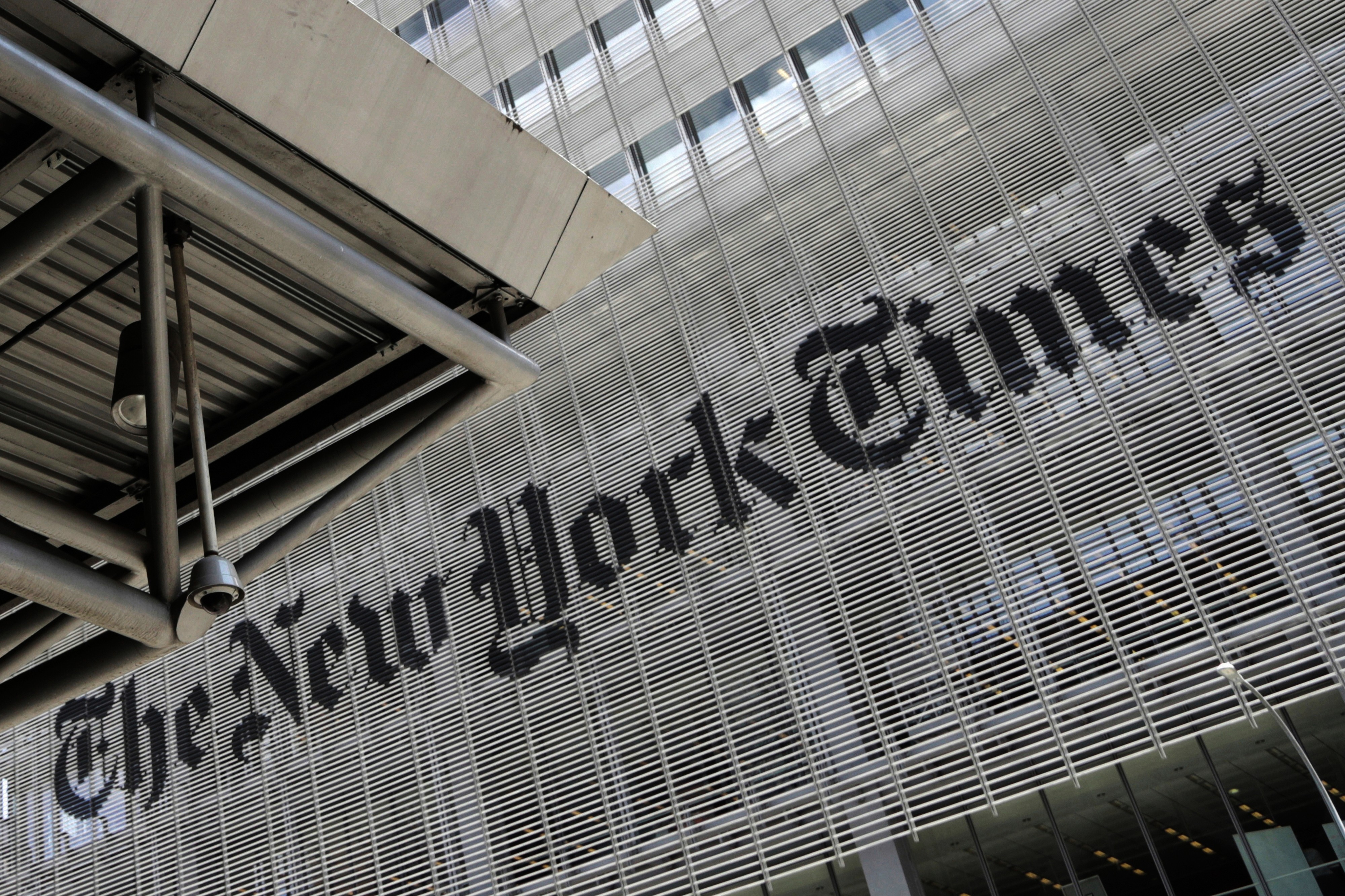
Headquarters of The New York Times
Associated Press
A group of newspapers, including the "New York Times" and the "New York Daily News", asked a Manhattan federal court this Thursday (9) to impose sanctions on OpenAI, owner of ChatGPT, in the copyright dispute.
The outlets allege that the company lied to the court about its ability to search its systems for evidence that it improperly used millions of news reports to train its AI models.
Have a story suggestion? Send to g1
According to the papers, OpenAI falsely claimed that it could not search its large language models for copyrighted material, while concealing that it had already done this type of search "even before the first press plaintiff filed suit."
The outlets also claim that OpenAI deleted billions of relevant conversations from ChatGPT or made them unsearchable.
Now on g1
They are asking the court to impose sanctions, including payment of legal fees, and recognize in court that OpenAI's conversation logs demonstrate that the company misused copyrighted works.
Spokespeople for OpenAI did not immediately respond to a request for comment on the petition.
The lawsuit, first filed by the New York Times in 2023, accuses OpenAI and its largest funder, Microsoft, of using millions of newspaper articles without authorization to train the large language model that underpins ChatGPT.
The case is one of several lawsuits brought by copyright holders - including authors, visual artists and record labels - against technology companies such as OpenAI, Anthropic and Meta for allegedly misusing this material to train AI systems.
"For more than two years, OpenAI lied to The Times, the Daily News plaintiffs, the public and the court," said the lead lawyer of the New York Times, Ian Crosby, in a statement.
"The company claimed that searching ChatGPT results for copies of content from The Times and the Daily News plaintiffs was unfeasible, burdensome and invasive of users' privacy, while concealing that it had already performed such searches."
OpenAI had previously told the court that it did not have tools to search its datasets and results records for copyrighted material.
However, according to the petition filed by the newspapers this Thursday, a company employee later testified that OpenAI had "carried out several searches for content from the Daily News plaintiffs."
Why did 'Brazil' become 'bra' in the FIFA rankings translated into Portuguese?
Google Maps starts talking to users to recommend places and buses in Brazil
Source: G1