New escalation in the Gulf: Iran says it fired on ships in Hormuz; US claims to have intercepted missiles in Kuwait and Bahrain
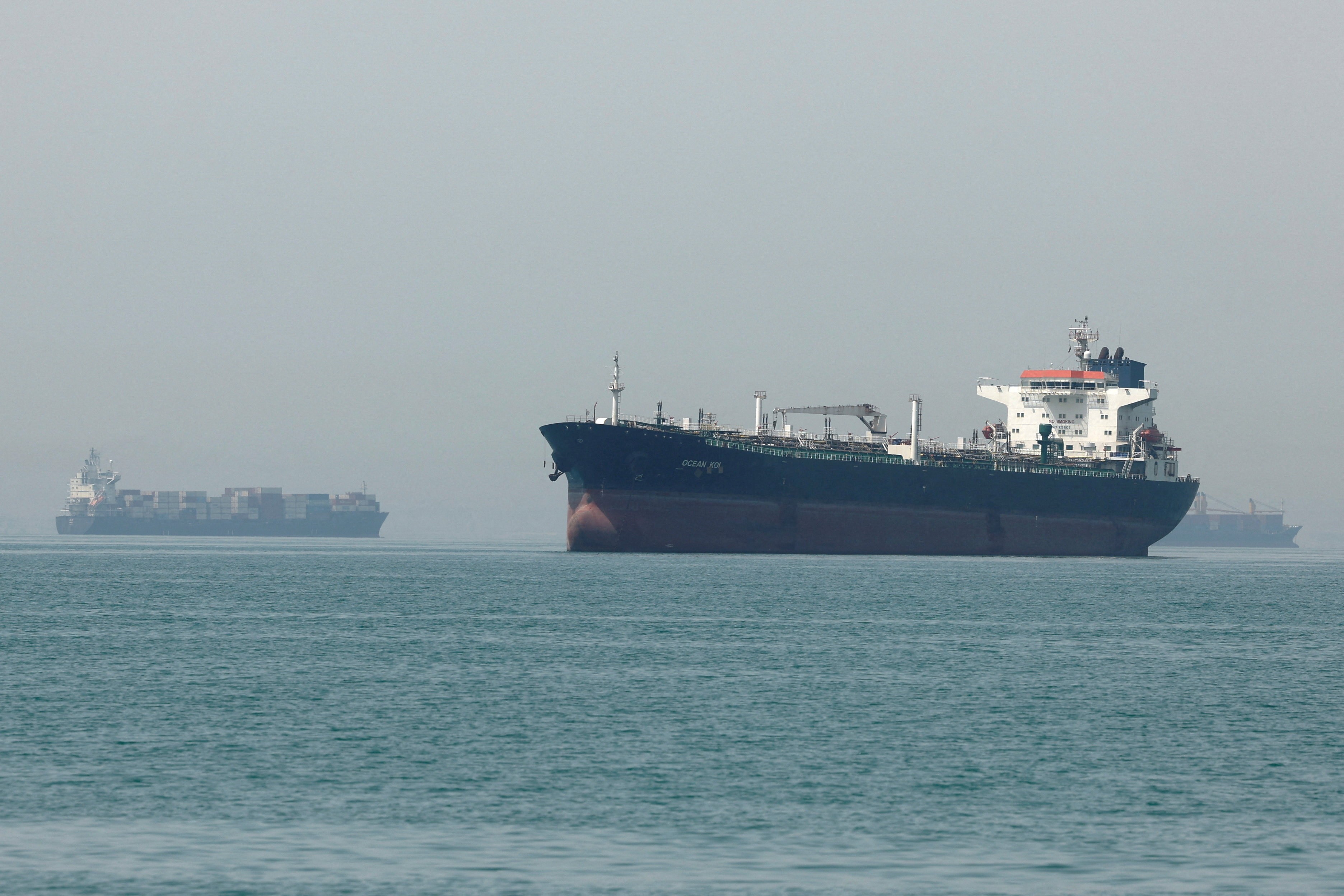
Vessels circulating through the Strait of Hormuz
Majid Asgaripour/WANA (West Asia News Agency) via REUTERS
Iran's Islamic Revolutionary Guard Corps (IRGC) claimed, this Saturday (6), to have fired at four oil tankers that were trying to cross the Strait of Hormuz without Iranian authorization. Furthermore, the country claimed to have attacked American military bases in the region with missiles in retaliation for US bombings.
Favorite g1 on Google and follow the main news of the day
In a statement, the group declared that the United States will be responsible for the consequences of an eventual complete closure of the Strait of Hormuz to energy exports from the region if actions that Tehran classified as North American "provocations" or "interference" continue.
According to Reuters, also this Saturday (6), US forces attacked Iranian coastal radar installations after shooting down drones launched by Tehran towards the Strait of Hormuz.
USA and Iran exchange attacks again amid fragile ceasefire
According to an American official interviewed by Reuters, the four Iranian drones were targeting regional maritime traffic. The US Central Command (CENTCOM) reported on the X network that US forces subsequently struck Iranian surveillance facilities in Goruk and Qeshm Island, both located in the Strait of Hormuz.
The command also reported that it intercepted multiple ballistic missiles and drones launched by Iran towards neighboring Gulf countries in the Strait of Hormuz region.
Kuwaiti's air defenses intercepted missile and drone attacks of undisclosed origin, according to state media. In Bahrain, sirens were sounded and residents were advised to seek shelter.
Iran claimed to have hit American bases in both countries with ballistic missiles, but the US military said six projectiles were intercepted and a seventh did not reach its target.
Negotiations under pressure
The US and Iran are holding indirect negotiations to reach a provisional agreement that stops the war that began three months ago, leaving more complex issues, such as Iran's nuclear program, for future discussions. Despite this, periodic clashes have hampered any diplomatic progress.
As part of a possible agreement, Tehran demands access to billions of dollars in oil revenues, easing of sanctions on oil exports, an end to the American blockade of its ports and influence over the Strait of Hormuz. Iran has significantly restricted navigation in the strait, through which about a fifth of the world's oil passed before the conflict.
Iranian missiles displayed in a park in Tehran, Iran, amid the war against the US and Israel against Iran, on March 26, 2026.
Majid Asgaripour/Wana via REUTERS
*With information from Reuters
Source: G1