National System Operator activates surplus control plan to reduce energy generation this Sunday
The National Electric System Operator (ONS) reported that it activated for this Sunday (7), for the first time, the Emergency Plan for the Management of Energy Surpluses in the Distribution Network.
In practice, the ONS preventively asked distributors to reduce energy generation, with the aim of maintaining the balance between generation and consumption, avoiding cascading shutdowns and instability in supply to the population.
The Emergency Plan for the Management of Energy Surpluses in the Network of Distribution was established last year, after identifying the risk of collapse in the electrical system due to the surplus of renewable energy produced.
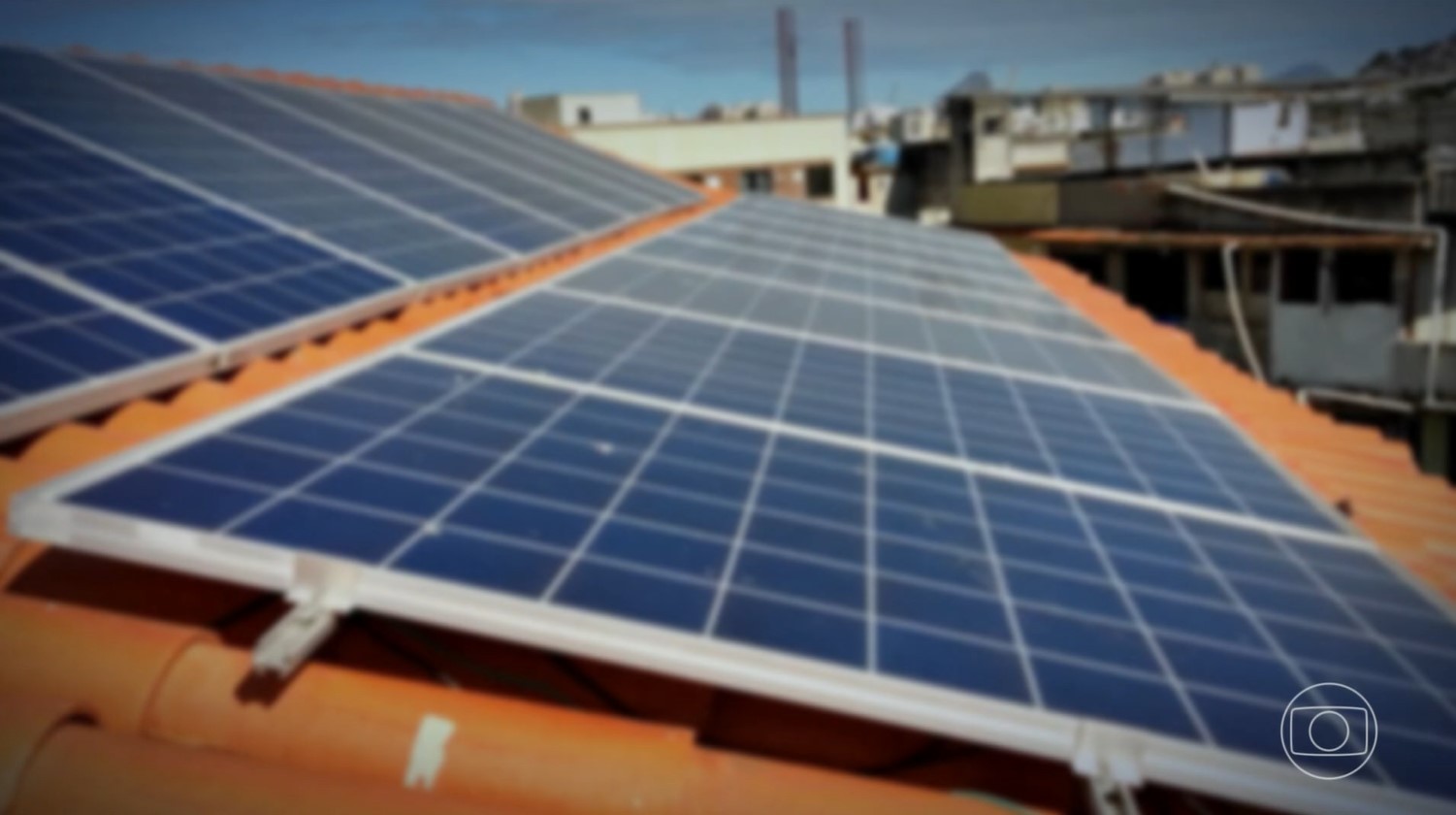
Oversupply of solar energy causes an overload in the Brazilian electrical system and forces the shutdown of plants
Reproduction/Jornal Nacional
The measure affects the operation of small hydroelectric plants and also distributed mini and microgeneration, a modality formed by consumers who generate their own energy and receive a discount on their electricity bill by injecting the surplus into the grid.
This generation is out of the basic grid, is not controlled by the ONS, but also impacts the operation of the electrical system.
Wind and solar generations cause oversupply in certain periods, depending on wind fluctuations and the incidence of solar radiation.
"For tomorrow [this Sunday], the Operator requested the reduction of centralized generation resources, which are under its responsibility. Once this measure was exhausted, it was necessary to put into practice the Emergency Plan for Management of Energy Surpluses in the Distribution Network, approved by Aneel [National Electric Energy Agency]. The ONS called on the distributors to reduce generation under their concession area, since the Operator has no control over these sources", stated the agency.
On May 4th and August 10th, 2025, it was identified that the high percentage of distributed micro and minigeneration (MMGD) existing in the National Interconnected System (SIN) could lead to an inability to control frequency and voltage in the system. It was from there that the surplus control plan was created.
Source: G1