Naphtha: what is the material used to adulterate fuel in the PCC scheme
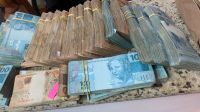
Operation Hidden Carbon returned to the center of investigations into the advance of organized crime in the fuel sector after authorities identified a scheme to adulterate gasoline using petrochemical naphtha, a derivative of oil destined for the chemical industry.
This Thursday (28), the MPSP (Public Ministry of São Paulo) launched Operation Fluxo Oculto, a new development of the investigation, focusing on the diversion of the substance, tax fraud and money laundering linked to the PCC (First Command of the Capital).
According to the investigation, criminal organizations used shell companies to divert the substance and send it illegally to distributors and gas stations.
Naphtha was irregularly mixed with gasoline to increase the volume sold and increase the profits obtained through tax fraud and fuel adulteration. The Federal Revenue estimates that the nucleus linked to the diversion of naphtha alone caused losses of around R$200 million in taxes allegedly evaded in two years.
The operation is the result of an investigation by Gaeco (Special Action Group to Combat Organized Crime) of the MPSP (Public Ministry of São Paulo), in partnership with the Federal Revenue Service, the ANP (National Petroleum Agency), the São Paulo State Finance Department and the State Attorney General's Office. The execution of the warrants also involves the participation of the Military Police and the Civil Police.
What is naphtha
Naphtha is a product derived from petroleum refining. It can be used as a raw material in the production of plastics, resins, solvents, paints and fuels. There are different types of naphtha, but the so-called petrochemical naphtha is mainly intended for the chemical industry and should not be used directly as an automotive fuel.
According to the National Petroleum, Natural Gas and Biofuels Agency (ANP), it is processed in industrial facilities called petrochemical plants to produce, predominantly, raw materials for the chemical industry, such as ethylene, propylene, benzene, toluene and xylenes.
As a result, import is authorized by the ANP when the product is intended for exclusive use as raw material for the production process of Petrochemical Raw Material Plants. The product is not included in the list of liquid fuels regulated for sale at gas stations. However, as it has characteristics similar to gasoline and a lower cost, the product ends up being used illegally in adulteration schemes.
What happens to the vehicle
According to the ANP, changes in the vehicle's performance, such as increased consumption, loss of power and malfunctions, may be signs of adulterated fuel.
Filling with naphtha can cause a lot of damage to the car, as the combustion does not occur correctly. The engine may suffer cylinder head damage, the spark plugs may become clogged and there is a risk of residue forming in the engine.
The ANP is the main body responsible for monitoring fuel quality in the country. Stations charged may receive fines ranging from R$5,000 to R$5 million, in addition to suspension or revocation of authorization to operate. Consumers can check the status of stations on the ANP Dynamic Supply Inspection Panel and send complaints through the FalaBR platform.
Why the substance is used in fraud
Naphtha can be used in illegal schemes as it has chemical characteristics similar to those of gasoline, in addition to having a lower cost and different taxation than that applied to automotive fuel. Criminal organizations take advantage of this difference to artificially increase the volume of fuel sold and increase the profits of clandestine distributors and gas stations involved in the scheme.
In practice, the substance is irregularly mixed with gasoline before sale to the consumer. As petrochemical naphtha is intended for the chemical industry and not for fueling vehicles, its use in automotive fuels is prohibited outside the parameters authorized by the National Petroleum Agency (ANP).
In addition to the adulteration itself, the scheme may involve tax fraud. This is because the tax burden on petrochemical products may be different from that applied to gasoline. Tax distortion opens up space for criminal organizations to profit from the illegal resale of the substance as fuel.
The practice can cause harm to consumers, including mechanical damage to vehicles, engine malfunctions, increased consumption and greater pollutant emissions. Furthermore, adulteration affects competition in the fuel sector and generates millions of dollars in tax revenue.
How the investigated scheme works
According to the Federal Revenue and GAECO, the investigated group used shell companies to simulate legal purchases of naphtha from companies in the chemical sector. Officially, the product would be intended for industrial purposes. In practice, however, the substance was diverted to fuel storage terminals in Greater São Paulo.
According to investigations, naphtha was then irregularly added to automotive fuel tanks, adulterating the gasoline before distribution to retail stations linked to the scheme. Authorities claim that the scheme generated profit on different fronts. In addition to selling adulterated fuel, the criminal organization would take advantage of tax differences between petrochemical naphtha and gasoline to reduce costs and increase illicit gains.
The Federal Revenue estimates that this investigated nucleus alone caused losses of approximately R$200 million in taxes allegedly evaded in two years.
The investigations also indicate that those involved created companies in several states across the country to make it difficult to track their operations. According to the Public Ministry, those investigated used relatives, people in socially vulnerable situations and even prisoners to register legal entities that formally appeared as buyers of naphtha. The objective would be to hide the true operators of the scheme and give the appearance of legality to the simulated commercial operations.
In addition to fuel adulteration, authorities identified a parallel financial system used to move funds obtained through fraud. According to the Federal Revenue, six fintechs investigated acted as "parallel banks" of the criminal organization. Together, they generated more than R$26 billion between 2022 and 2025.
The investigations also identified the use of investment funds to hide assets and make it difficult to identify the final beneficiaries of financial operations. Four funds investigated have assets estimated at around R$205 million, according to investigators.
Operation Hidden Carbon
The new phase of Operation Hidden Carbon was launched this Thursday (28) by the Public Ministry of São Paulo in conjunction with the Federal Revenue, National Petroleum Agency, State Finance Secretariat and police forces.
In total, 55 search and seizure warrants were executed in São Paulo, Rio de Janeiro, Mato Grosso do Sul, Minas Gerais and Paraná.
According to GAECO, the objective is to deepen investigations into the use of financial and business structures for money laundering and fraud in the fuel market.
Source: CNN